

Stored Product and Pantry Pest Treatment
- Home
- /
- Stored Product and Pantry Pest Treatment
All Services
- Get started
- 2369711478
- Info@infestix.com
- 13950 72nd Ave surrey bc
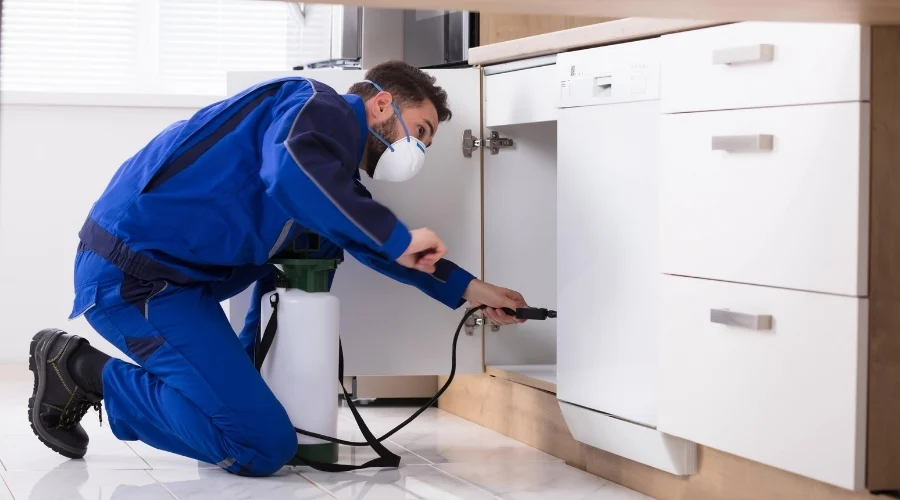
Clear Out Pantry Invaders
Stored product pests can appear in cupboards, pantries, food containers, shelves, and storage areas without being noticed immediately. Small moths, beetles, weevils, and other insects may enter through infested food packaging and continue developing while hidden among stored products. Our stored product and pantry pest treatment service provides a focused response for properties dealing with these unwanted invaders.
Professional attention helps identify affected areas, locate possible sources, and treat suitable spaces so the problem can be managed in a more organized way rather than relying on repeated cleaning alone.

Benefits Of Pantry Pest Control
- Fewer Pantry Insects
- Cleaner Storage Spaces
- Reduced Pest Activity
- Protected Food Areas
- Better Cabinet Hygiene
- Less Infestation Spread
- Improved Food Storage
- Targeted Pest Management
Stored product pest treatment gives property owners a practical way to regain control of affected cupboards, pantries, and food storage areas.
Find The Source
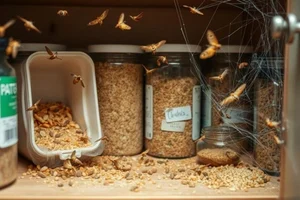
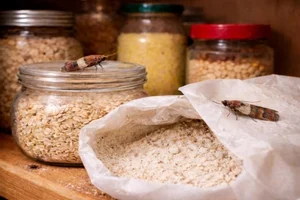
Pantry infestations can sometimes begin inside a single package before spreading to other stored products. Flour, rice, grains, cereals, spices, dried foods, pet food, and similar items may provide suitable resources for developing pests. Identifying where activity started can help determine which products and storage areas require closer attention.
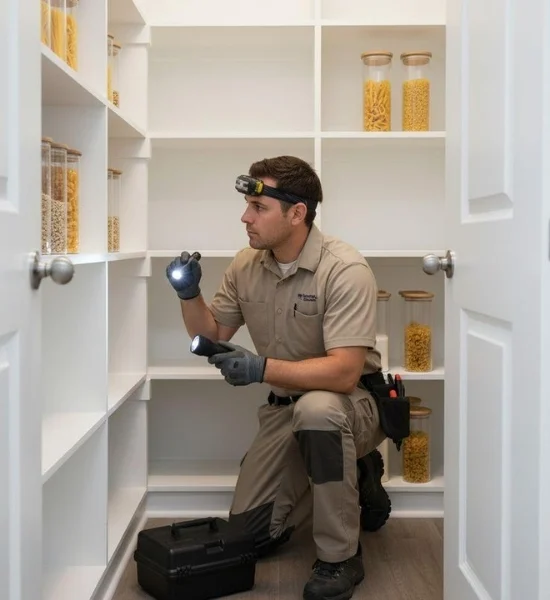
Inspect Hidden Shelves
Pantry pests do not always remain inside the package where they were first discovered. Insects can move into cabinet corners, shelf gaps, cracks, containers, and other concealed spaces. A careful assessment of surrounding storage areas helps reveal signs that may otherwise be overlooked and provides a clearer picture of the infestation.
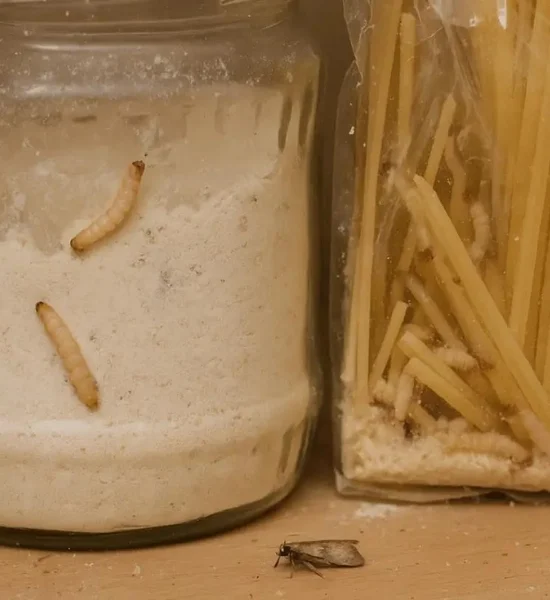

Protect Food Storage Areas
Discovering pests around food can make kitchens and pantries difficult to use with confidence. Damaged packaging, insect activity, webbing, larvae, or contamination can create unnecessary waste and cleaning work. Addressing the infestation helps restore better control over these important household spaces and supports cleaner food storage practices.
Stop The Spread
Stored product pests can move from one package to another when suitable food remains available. Leaving affected products in place may allow the problem to continue developing. Removing compromised goods, cleaning storage areas, and receiving professional treatment where appropriate can help reduce opportunities for the infestation to spread further.
Improve Pantry Hygiene
Clean storage areas are easier to monitor and maintain when food is properly sealed and shelves remain free of spills and crumbs. While cleanliness alone may not eliminate an established infestation, good storage habits can reduce available food sources and make future pest activity easier to notice. Professional guidance can help identify practical improvements for ongoing pantry care.
Prevent Another Infestation
Stored product pests can sometimes be introduced through newly purchased food rather than entering from outside. Checking packaging for damage, storing dry goods in secure containers, and rotating older products can help reduce future risks. Combining these habits with professional treatment can provide stronger protection.
FAQ
Stored product pests are insects that infest or feed on dry food products such as grains, cereals, flour, rice, spices and dried foods.
Common examples include pantry moths, weevils, grain beetles, and other insects that can develop within or around stored food products.
They are often introduced through already-infested food packaging, although some species may also enter through other routes.
Yes. Depending on the pest and packaging, insects may spread to other stored products or enter packages that are not adequately sealed.
Food showing clear signs of infestation should generally be discarded rather than consumed. Specific disposal guidance can be provided.
Cleaning can remove food debris and some visible pests, but an established infestation may require additional measures to address hidden activity and developing stages.
No. They can also occur in utility rooms, garages, storage cupboards, pet food areas, and other places where suitable dry goods are kept.
Store dry goods in tightly sealed containers, check new packages for damage, clean spills promptly, and regularly inspect older products.