

Pest-proofing
- Home
- /
- Pest-proofing
All Services
- Get started
- 2369711478
- Info@infestix.com
- 13950 72nd Ave surrey bc
Build A Stronger Barrier
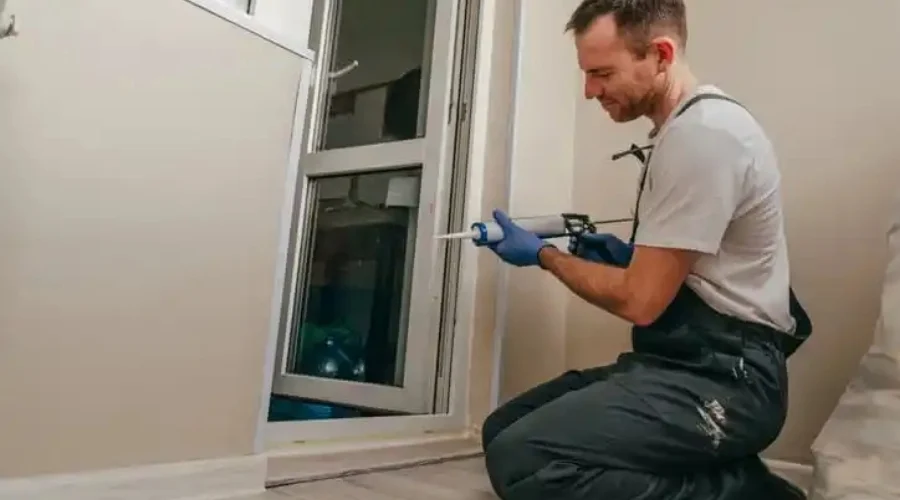
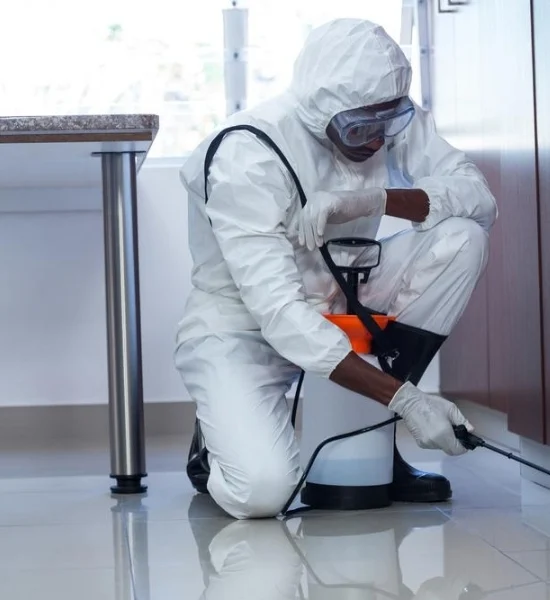
Pest-proofing is about reducing the chances of pests getting inside in the first place. Our service focuses on the vulnerable areas that can make a property easier to enter, including gaps, openings, utility penetrations, vents, and other access points. By addressing those weaknesses, you create a stronger line of defence around the building and reduce the need to keep reacting to the same problems. It is a practical investment in cleaner spaces, better control, and more predictable property care.
A well-protected property is easier to manage over time. Pest-proofing helps shift your approach from repeated response to stronger prevention, which can save frustration, reduce disruption, and support better long-term results.
Prevention That Works
- Stronger Property Barriers
- Fewer Pest Openings
- Better Entry Protection
- Reduced Repeat Activity
- Smarter Maintenance Planning
- Cleaner Indoor Spaces
- Lower Pest Pressure
- More Confident Ownership
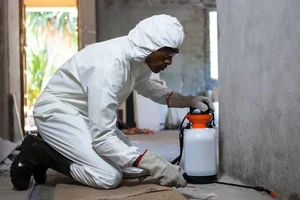
Pest-proofing gives you more control over how pests interact with your property. Instead of relying only on treatment after activity appears, you strengthen the building itself and reduce the number of opportunities pests have to get inside.
Seal Weak Areas
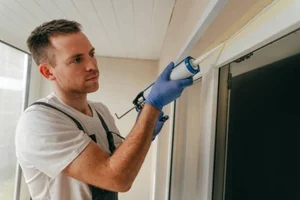
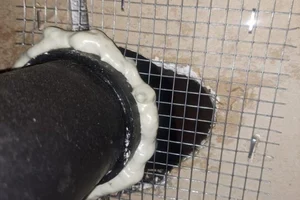
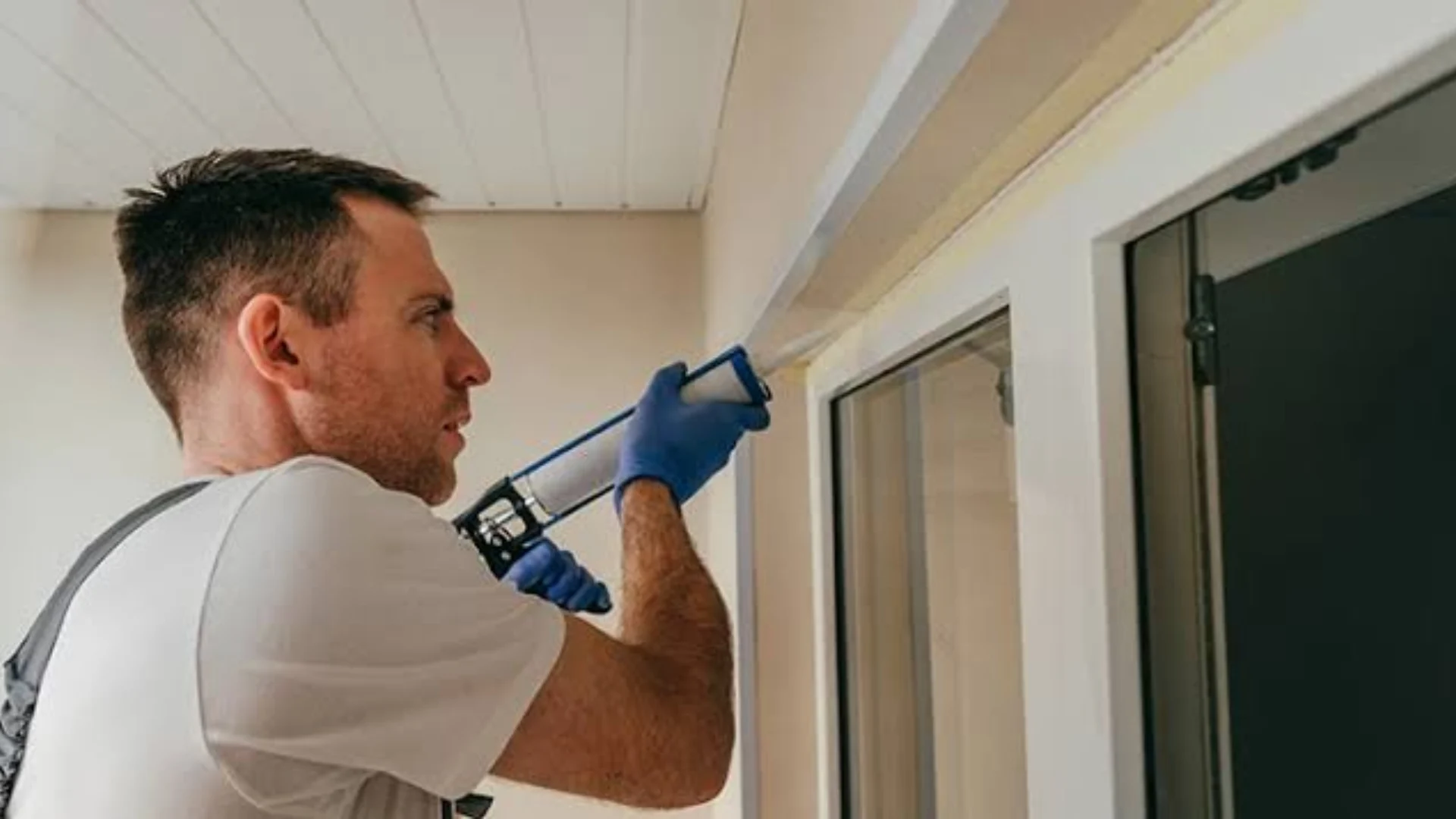
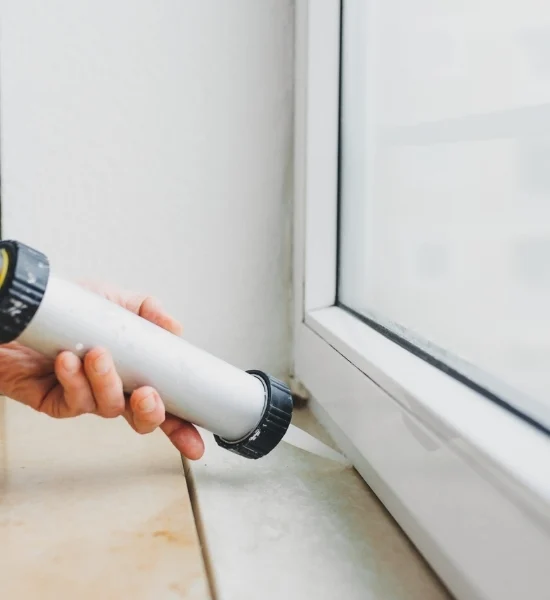
Small gaps around doors, foundations, vents, pipes, and exterior finishes can become reliable access points for pests. Pest-proofing addresses those weaknesses so they are less likely to become recurring trouble spots. The goal is not to make random repairs, but to focus on areas that have real preventive value and help create a more secure perimeter around the property.
Reduce Repeat Problems
Repeated pest activity often becomes frustrating because the underlying access issue remains unchanged. Pest-proofing helps break that pattern by addressing the areas pests may be using to return. This makes future control more efficient and gives you a better chance of avoiding the same problem season after season.
Support Cleaner Spaces
When fewer pests can enter, indoor spaces become easier to keep clean and comfortable. That can make a noticeable difference in kitchens, storage rooms, basements, garages, and other areas where unwanted activity can create added work. Pest-proofing supports the broader condition of the property by reducing one of the most common sources of recurring pest pressure.
Improve Property Care
Preventive work can also make property maintenance more organized. Once vulnerable areas are identified and addressed, owners and managers have a clearer understanding of what needs monitoring over time. That creates a more structured approach to upkeep and helps reduce the number of sudden pest issues that interrupt normal maintenance plans.
Strengthen Existing Control
Pest-proofing works especially well alongside professional pest control because it helps support the results already achieved. Once active concerns are being managed, reducing access gives pests fewer opportunities to return. That makes the overall strategy more complete and helps turn short-term control into a stronger long-term approach.
Add Long Term Value
A property that is better protected against pest entry is easier to manage and more reassuring to own. Pest-proofing adds value by reducing future risk, supporting cleaner spaces, and giving you greater confidence in the condition of the building. It is a practical way to protect the time, money, and effort already invested in maintaining the property.
FAQ
Pest-proofing reduces access by sealing or improving vulnerable areas around a property.
Common areas include gaps around doors, vents, pipes, foundations, and exterior openings.
Yes, it can reduce access points commonly used by mice and rats.
Yes, smaller openings can also be addressed to reduce insect entry.
No, pest-proofing focuses on prevention, while pest control addresses active pest problems.
It can be especially useful after treatment to reduce the chance of pests returning.
Yes, older properties often develop gaps and wear that can create more access points.
Yes, closing common entry routes can make repeated pest activity less likely.
An inspection can help identify which areas deserve the most attention.
Professional work helps focus effort on the openings most likely to create real pest risk.