

Roof Rat Control
- Home
- /
- Roof Rat Control
All Services
- Get started
- 2369711478
- Info@infestix.com
- 13950 72nd Ave surrey bc

Protect The Upper Levels
Roof rats are skilled climbers that can reach buildings through trees, utility lines, roof edges, vents, and other elevated access points. Once they find a way inside, they may settle within attics, ceilings, wall spaces, and other quiet sections of a property. Our roof rat control service helps property owners address this activity while identifying conditions that may be allowing these rodents to remain nearby.
Because roof rats can spend much of their time above eye level, an infestation may continue before obvious evidence appears. Early attention gives homeowners a better opportunity to locate activity, reduce movement through concealed spaces.
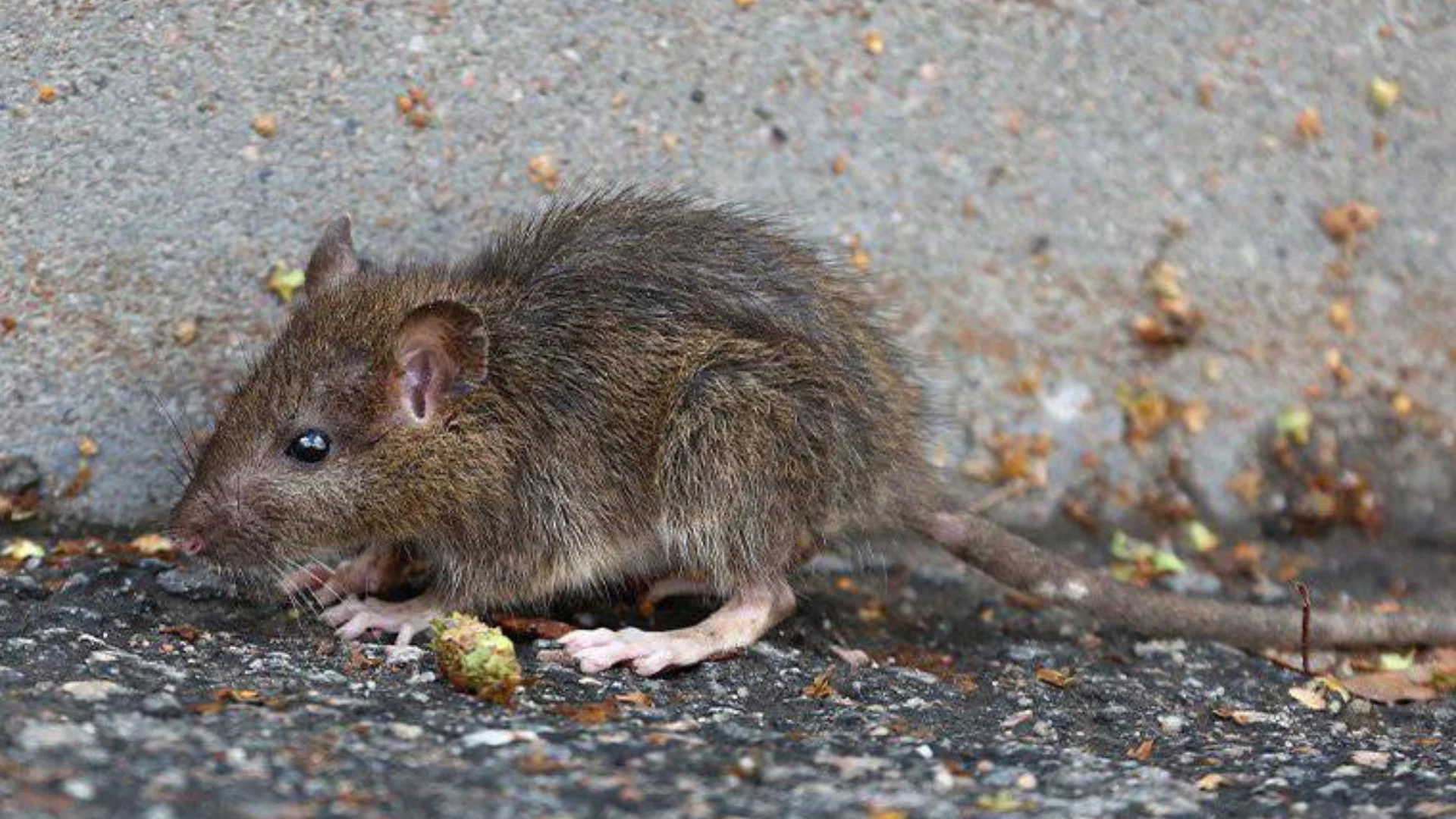
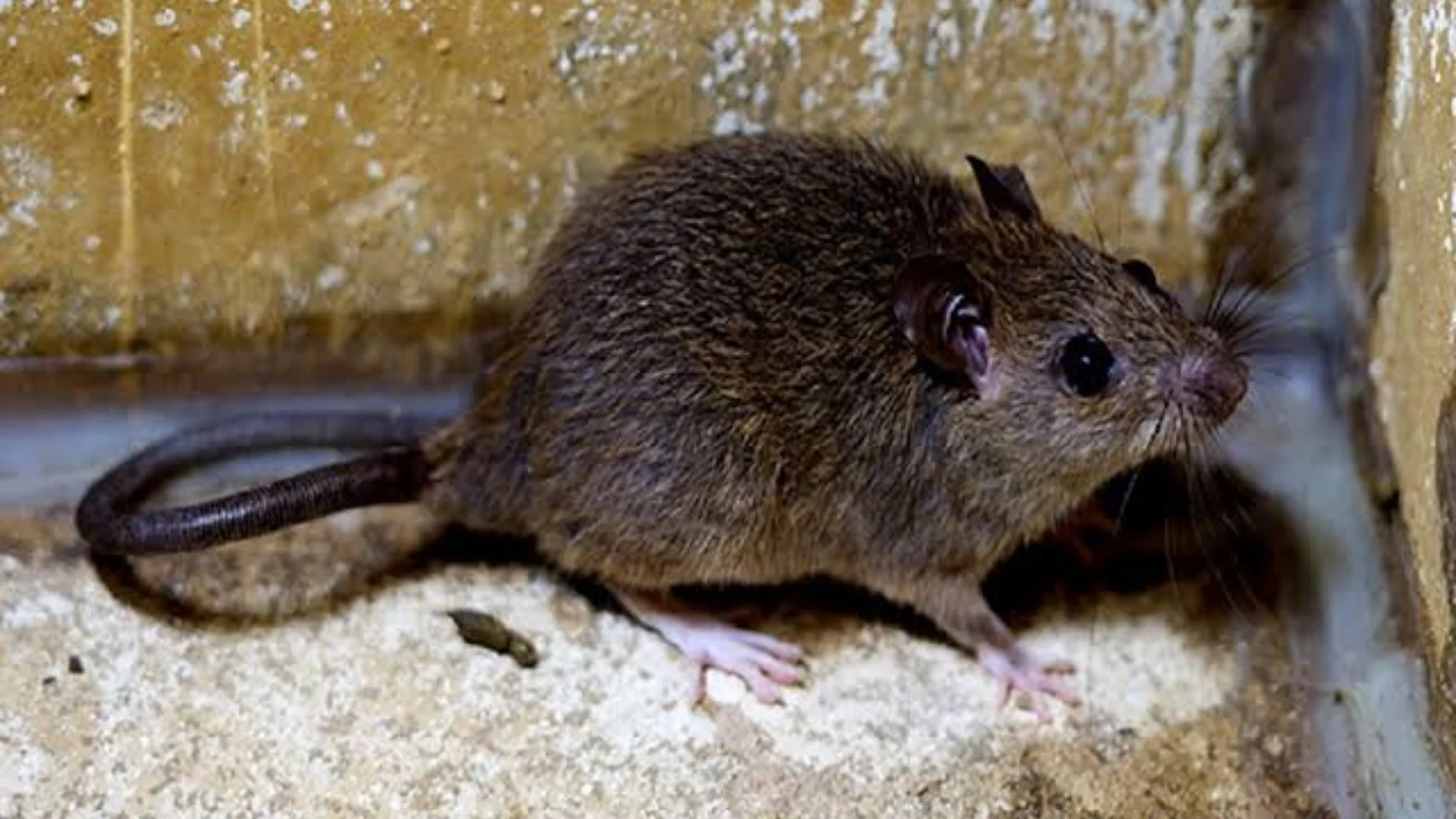
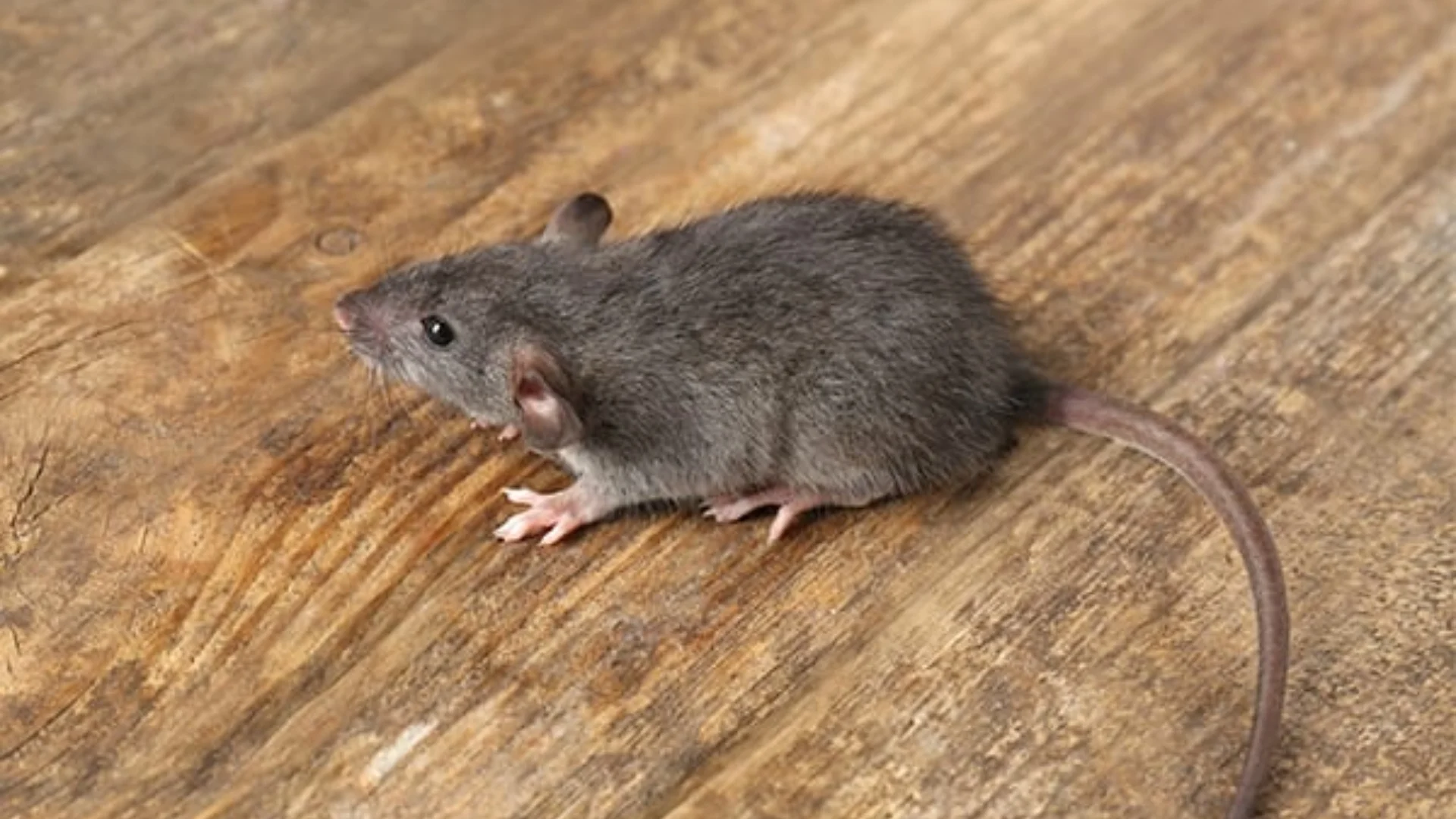
Why Roof Rat Management Matters
- Fewer Attic Disturbances
- Reduced Rodent Evidence
- Better Roof Protection
- Cleaner Storage Spaces
- Less Scratching Noise
- Reduced Nesting Activity
- Protected Household Materials
- Improved Property Awareness
Roof rat control offers a focused way to manage elevated rodent activity while helping maintain the condition, cleanliness, and comfort of the property.
Notice Elevated Warning Signs
Roof rats may leave evidence in places that are easy to overlook. Droppings, gnawed materials, nesting debris, scratching sounds, and unusual movement above ceilings can indicate activity. Spotting these clues early can make it easier to investigate affected areas before rodents establish themselves more deeply within the structure.
Check Attics And Ceilings
Attics and ceiling spaces can provide roof rats with warmth, darkness, and protection from outdoor conditions. Once rodents begin using these areas, their movement may remain hidden from household occupants. Giving elevated sections proper attention can help reveal where activity is occurring and reduce the possibility of an infestation continuing unnoticed above living spaces.
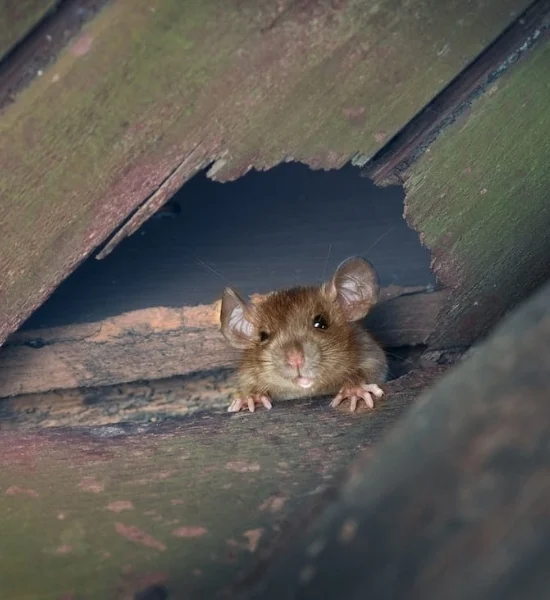

Reduce Climbing Opportunities
Trees, dense branches, climbing structures, roof connections, and nearby utility lines can provide convenient routes toward a building. When these pathways remain accessible, roof rats may repeatedly approach the property. Managing surrounding conditions and limiting easy routes can make the exterior less suitable for rodent access and support stronger protection around vulnerable upper areas.
Protect Stored Belongings
Roof rats may build nests from paper, fabric, insulation, cardboard, and other available materials. Their activity can disturb stored belongings and leave unwanted debris throughout attic or storage spaces. Reducing rodent presence helps protect these areas from continued disturbance and can make them easier to keep organized and maintain over time.

Limit Ceiling Disruption
Scratching, gnawing, and movement above bedrooms or other occupied rooms can become particularly frustrating at night. Repeated sounds may interfere with sleep and create uncertainty about what is happening inside the structure. Addressing roof rat activity can help reduce this disruption and restore greater comfort to the rooms beneath affected ceiling spaces.
Secure Elevated Entry Points
Roof rats can exploit openings around rooflines, vents, eaves, soffits, pipes, and other structural features. Even a relatively small weakness may provide access to protected interior areas. Identifying these vulnerable points and improving them where appropriate can make future entry more difficult and provide an important layer of protection after active rodent concerns have been addressed.
FAQ
Roof rats are agile rodents known for climbing and nesting in elevated areas such as trees, attics, ceilings, and upper sections of buildings.
They may climb trees, utility lines, vines, fences, structures, or other nearby surfaces that provide access to roof edges and elevated openings.
Common indicators include droppings, scratching sounds, gnaw marks, nesting materials, unusual movement above ceilings, and damage in attic areas.
They often choose attics, wall voids, ceiling spaces, roof structures, storage areas, and other elevated locations that offer protection.
Yes, roof rats are primarily nocturnal, so sounds or movement may become more noticeable after dark.
Their nesting and gnawing behaviour can disturb insulation, stored items, wiring coverings, packaging, and other materials found in attic spaces.
Overhanging branches can provide climbing routes toward roofs, making vegetation management an important consideration around vulnerable buildings.
They may use damaged or inadequately protected vents and other openings as access points when these areas are reachable.
Reducing food sources, managing nearby vegetation, securing waste, and addressing openings around the roof and upper structure can help discourage access.
Professional assistance is appropriate when you notice repeated nighttime noises, attic evidence, droppings, nesting materials, or signs of rodents entering elevated parts of the property.