

Rodent Prevention Programs
- Home
- /
- Rodent Prevention Programs
All Services
- Get started
- 2369711478
- Info@infestix.com
- 13950 72nd Ave surrey bc
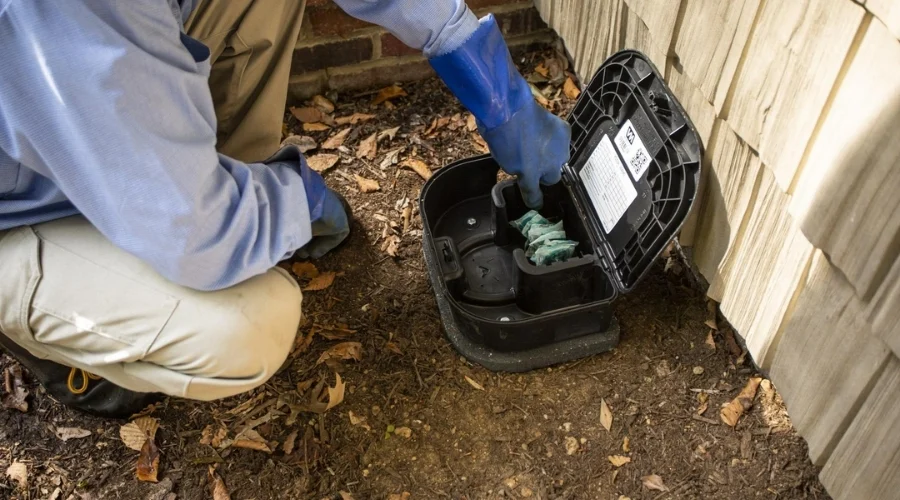
Build A Stronger Defence
Rodent problems can develop quietly when properties offer easy access to food, shelter, water, and protected nesting areas. Small openings around foundations, roofs, doors, vents, and utility connections may also give mice and rats opportunities to enter. Our rodent prevention programs provide ongoing attention focused on identifying these risks and taking practical steps.
Rather than waiting until droppings, gnaw marks, or scratching sounds appear, a preventive plan gives property owners a more organized way to manage potential risks.

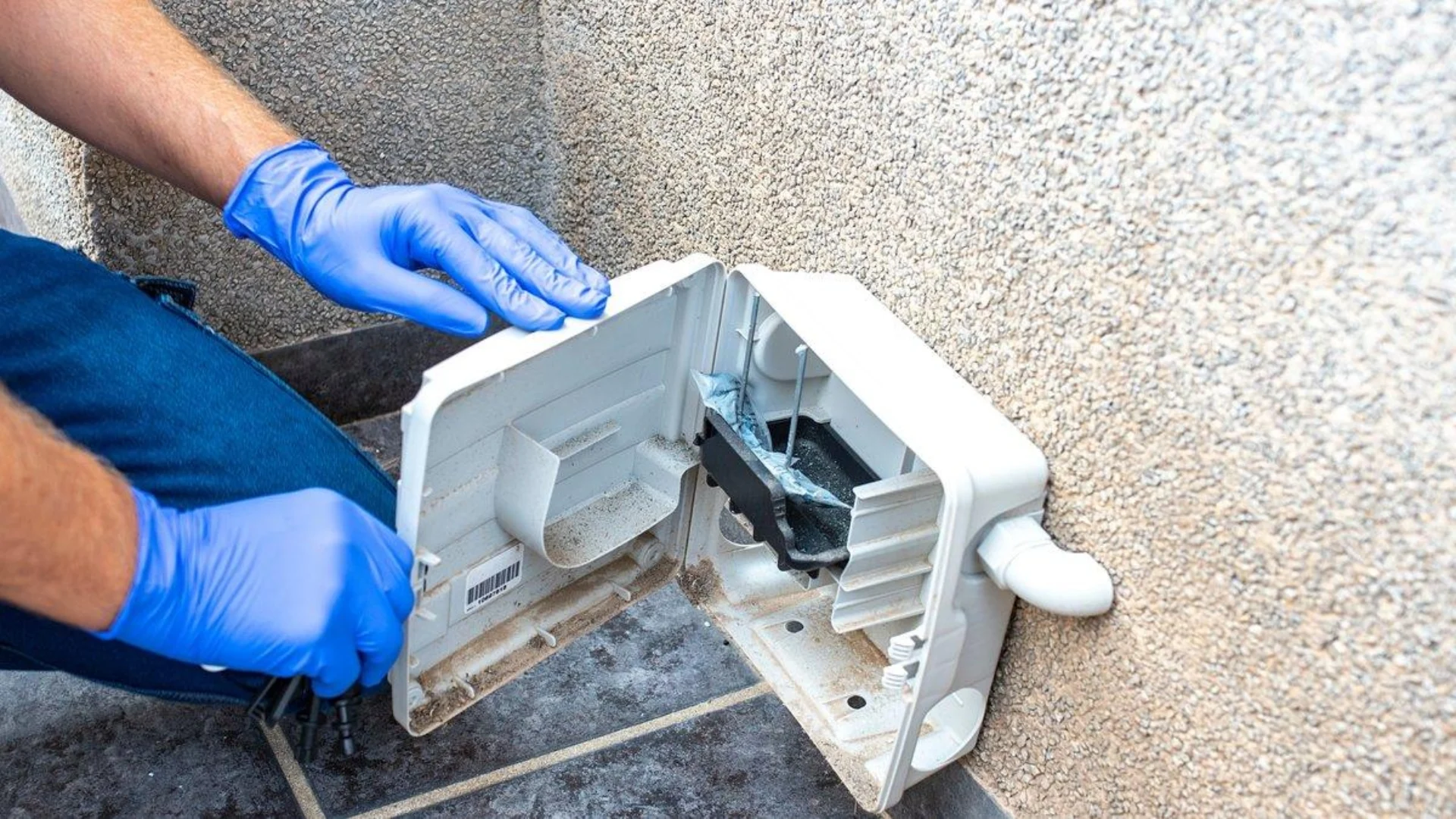

Why Preventive Care Helps
- Earlier Risk Detection
- Reduced Entry Opportunities
- Better Property Monitoring
- Fewer Rodent Concerns
- Protected Storage Areas
- Cleaner Surroundings
- Improved Structural Awareness
- Reduced Infestation Risk
- Ongoing Pest Oversight
Rodent prevention programs provide continued support for maintaining a property that is less attractive and less accessible to unwanted rodents.
Identify Risk Before Infestation
A property may have conditions that encourage rodents long before anyone notices an actual infestation. Gaps, clutter, accessible rubbish, standing water, overgrown vegetation, and poorly protected food sources can all contribute to risk. Preventive inspections help identify these concerns early so sensible improvements can be made before rodent activity becomes established.
Maintain Exterior Protection
The condition of a property’s exterior can have a major influence on rodent access. Damaged screens, gaps around service lines, deteriorated doors, foundation openings, and roof vulnerabilities can create convenient routes indoors. Regular attention to these areas helps maintain stronger barriers and gives property owners a better chance of catching weaknesses before rodents exploit them.


Keep Attractive Conditions Low
Rodents are more likely to remain near properties where food, water, and shelter are easy to find. Open waste containers, unsecured food, clutter, dense vegetation, and moisture can all create favourable surroundings. Preventive programs can help highlight these conditions and encourage practical changes that make the property less appealing to mice and rats.
Monitor For Early Evidence
Small signs can provide an important warning before a rodent problem becomes widespread. Droppings, gnaw marks, nesting fragments, tracks, unusual smells, or occasional sightings may indicate developing activity. Regular monitoring makes it easier to notice these changes promptly and respond before rodents become firmly established in hidden areas.
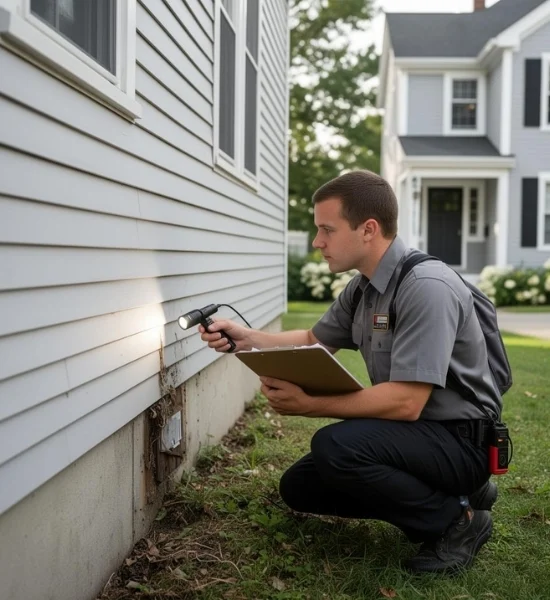
Protect Vulnerable Areas
Certain parts of a property may deserve more attention because they offer rodents shelter or easy access. Attics, crawlspaces, garages, storage rooms, basements, utility areas, and exterior structures can become problem zones when conditions are suitable. Keeping these locations under observation can help reduce surprises and support better long-term property care.
Keep Protection Consistent
Rodent prevention works best when it is treated as ongoing maintenance rather than a single task. Seasonal changes, building wear, landscaping, new storage conditions, and nearby environmental factors can create new vulnerabilities over time. A structured program provides regular opportunities to review these changes and keep preventive measures aligned with the property’s current needs.
FAQ
A rodent prevention program is an ongoing pest management plan focused on identifying risks, monitoring for activity, and reducing conditions that may encourage rodents.
Homeowners, landlords, property managers, businesses, and other property owners can benefit from proactive measures designed to reduce rodent risks.
The ideal schedule depends on the property, its surroundings, previous activity, and identified vulnerabilities. A suitable frequency can be established after assessment.
No prevention plan can guarantee complete exclusion, but reducing access points and attractive conditions can significantly lower the opportunity for rodents to enter.
Attics, crawlspaces, basements, garages, storage rooms, foundations, exterior walls, waste areas, and other vulnerable locations may require regular attention.
Yes. Dense vegetation, overgrown branches, debris, and sheltered outdoor areas can provide food, cover, or pathways that may support rodent activity.
Yes. Regular monitoring and correction of recurring vulnerabilities can help reduce the conditions that allow rodent problems to return.
Continuing preventive care after treatment can be useful because new rodents may enter if structural weaknesses or attractive conditions remain.
Yes. Reviewing potential openings around the exterior can help identify areas that may need sealing or maintenance.
Starting before signs appear is ideal, particularly for properties with previous rodent activity, vulnerable structures, accessible food sources, or conditions that may attract rodents.