

Attic and Crawlspace Rodent Control
- Home
- /
- Attic and Crawlspace Rodent Control
All Services
- Get started
- 2369711478
- Info@infestix.com
- 13950 72nd Ave surrey bc
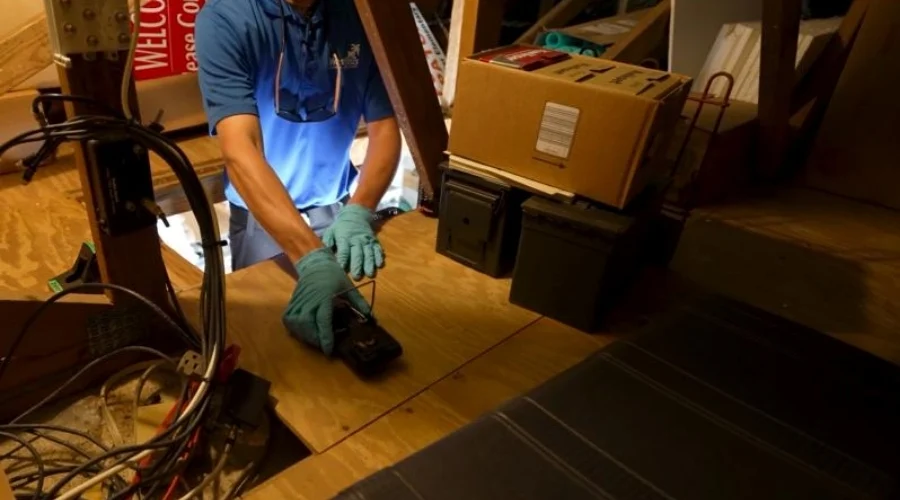
Restore Hidden Spaces
Attics and crawlspaces can provide rodents with darkness, warmth, insulation, and protection from everyday household activity. Once inside these secluded areas, mice and rats can remain unnoticed while creating nests, leaving droppings, chewing materials, and moving through the structure.
Because these areas are rarely visited, rodent problems can continue for some time before clear evidence appears. Professional attention provides a practical way to investigate suspicious signs and address active rodents.
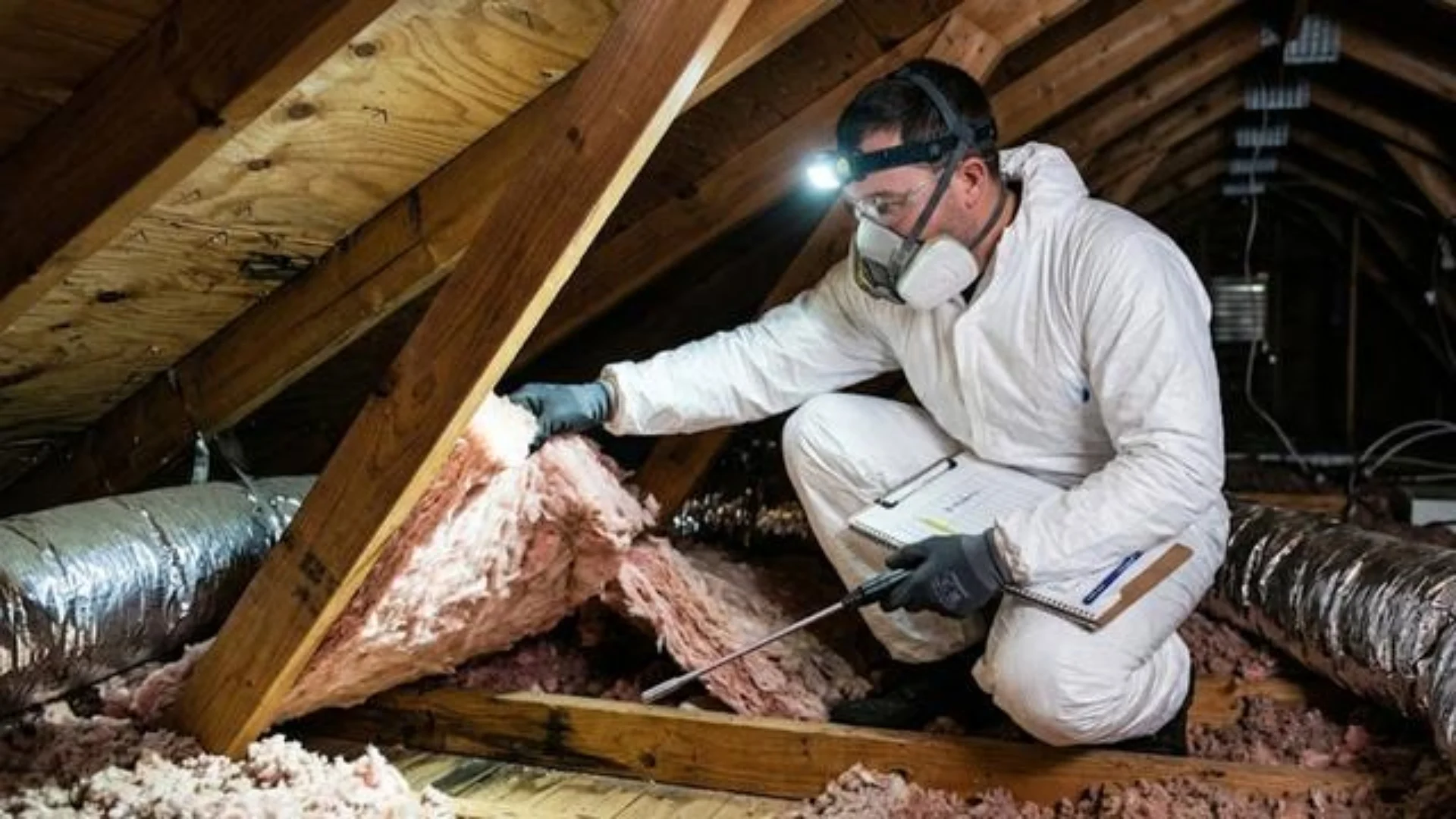
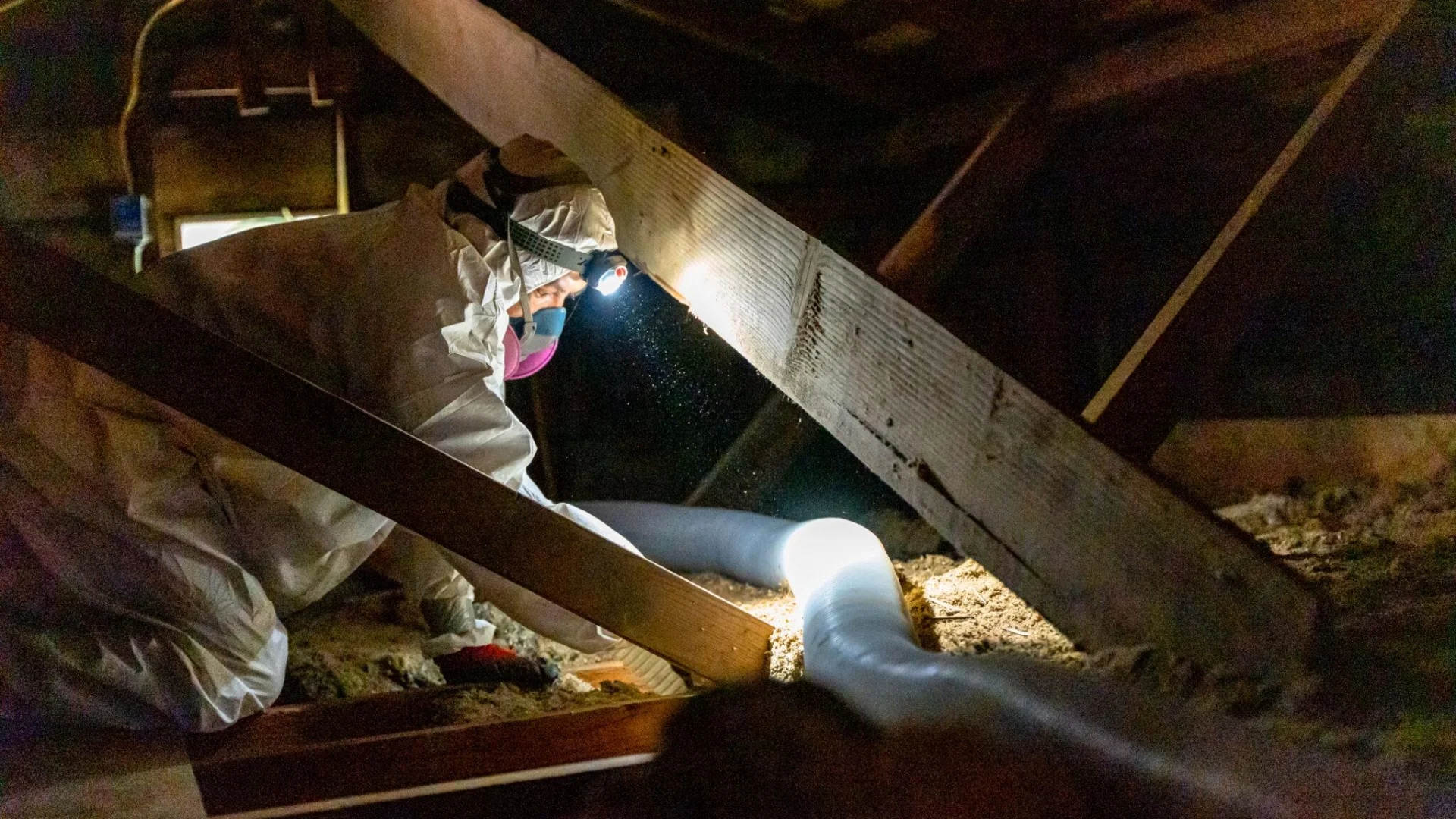
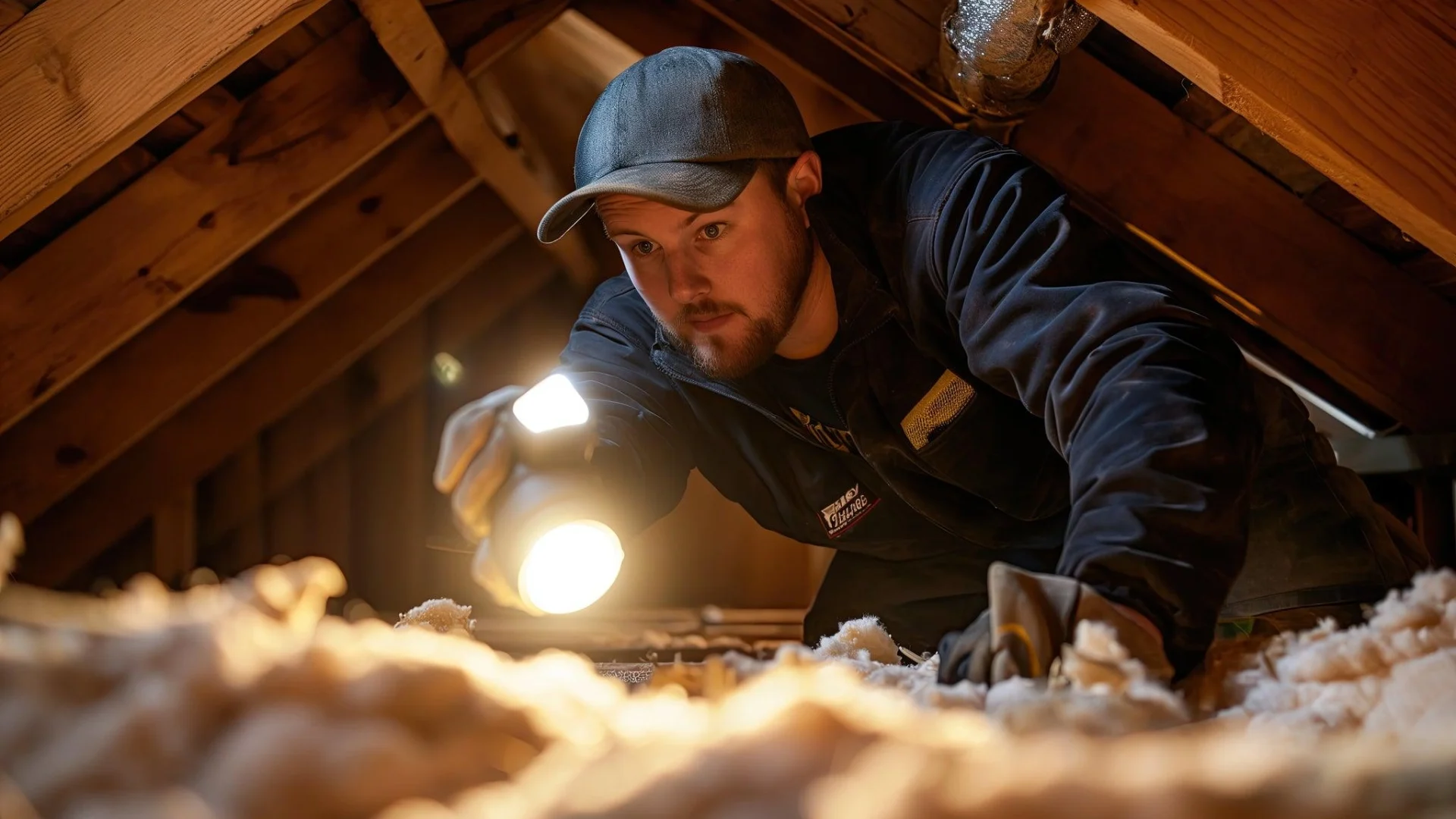
Benefits Of Specialized Treatment
- Cleaner Hidden Areas
- Reduced Nesting
- Less Structural Disturbance
- Fewer Rodent Signs
- Protected Insulation
- Reduced Nighttime Noise
- Safer Storage Spaces
- Better Structural Awareness
- Lower Infestation Pressure
Attic and crawlspace rodent control helps protect neglected areas of the property while reducing the chance that hidden activity will become a wider household problem.
Investigate Concealed Activity
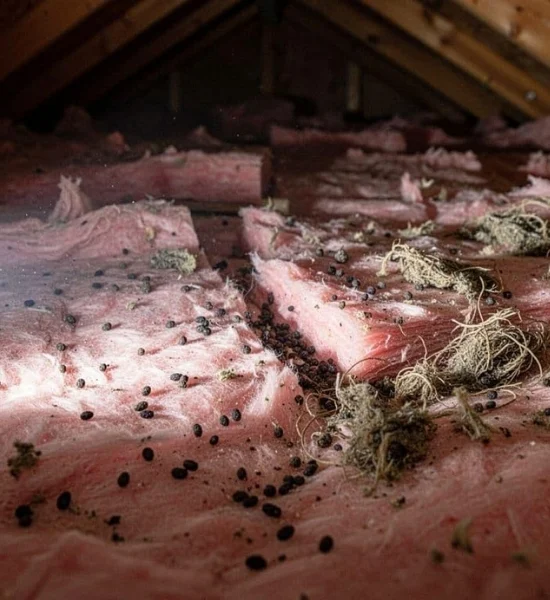
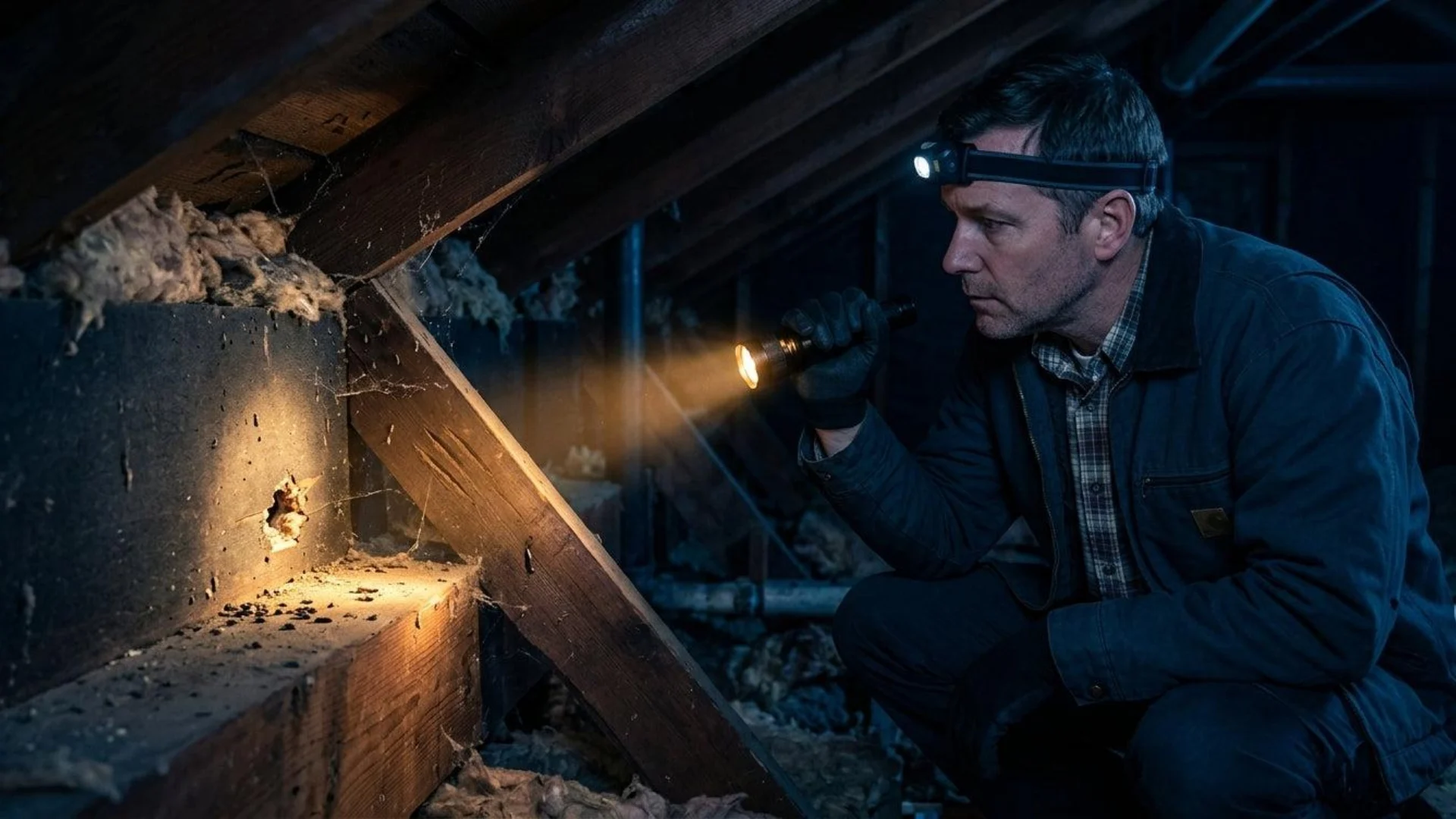
Rodents can leave clues even when they are rarely seen. Droppings, shredded insulation, gnaw marks, nesting materials, odours, and scratching sounds may indicate movement within an attic or crawlspace. Investigating these signs helps determine whether rodents are using the area and provides a clearer direction for addressing the concern.
Protect Insulation And Structure
Rodents may disturb insulation while creating nests or travelling between sheltered locations. Continued activity can leave damaged materials, scattered nesting debris, and unwanted contamination throughout secluded sections. Addressing the infestation helps reduce further disturbance and supports better preservation of materials within these important parts of the building.
Reduce Unwanted Noises
Scratching and scurrying sounds above ceilings or beneath floors can become particularly noticeable when the rest of the property is quiet. These noises may create concern about what is happening inside the structure. Managing active rodents in attic and crawlspace areas can help reduce this disruption and make the surrounding living environment more peaceful.
Address Hard To Reach Areas
Attics and crawlspaces are often cramped, poorly lit, or difficult for homeowners to inspect safely. Rodents may take advantage of corners, insulation, duct areas, structural voids, and other secluded sections. Professional service allows these challenging locations to receive appropriate attention without relying solely on visible signs from accessible rooms.
Reduce Contamination Concerns
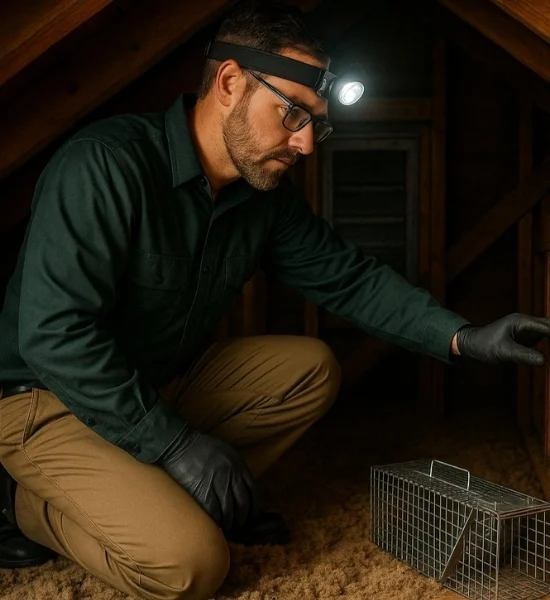
Rodents can leave droppings, urine, nesting material, and other unwanted debris where they shelter. When this occurs above ceilings or beneath floors, the problem may remain hidden until signs become more noticeable. Addressing the activity can help reduce continued contamination and make affected areas easier to manage as part of overall property maintenance.
Strengthen Future Protection
Controlling rodents inside secluded spaces is only part of maintaining better protection. Openings around rooflines, foundations, vents, pipes, utility connections, and other structural features may provide access. Identifying these vulnerabilities can help property owners make improvements that reduce the likelihood of rodents returning and turning hidden spaces into nesting areas again.
FAQ
These areas can provide rodents with shelter, insulation, warmth, darkness, and protection from weather and household activity.
Droppings, disturbed insulation, nesting material, gnaw marks, odours, scratching, and movement sounds can indicate attic activity.
Scratching, scurrying, nesting debris, unusual smells, or evidence near crawlspace access points may suggest activity beneath the building.
Yes. Rodents may pull apart or disturb insulation while creating nests and travelling through sheltered sections.
They can be attractive because crawlspaces often provide darkness, limited disturbance, moisture, and protected routes through a structure.
Yes. Rodents may travel through wall cavities, ceiling voids, utility openings, and other connected structural spaces.
Repeated scratching or movement sounds can justify an inspection, particularly when the noise occurs regularly or after dark.
Rodent urine, droppings, nesting materials, and deceased animals can contribute to unpleasant odours within enclosed spaces.