

Norway Rat Control
- Home
- /
- Norway Rat Control
All Services
- Get started
- 2369711478
- Info@infestix.com
- 13950 72nd Ave surrey bc
Put An End To Rat Activity
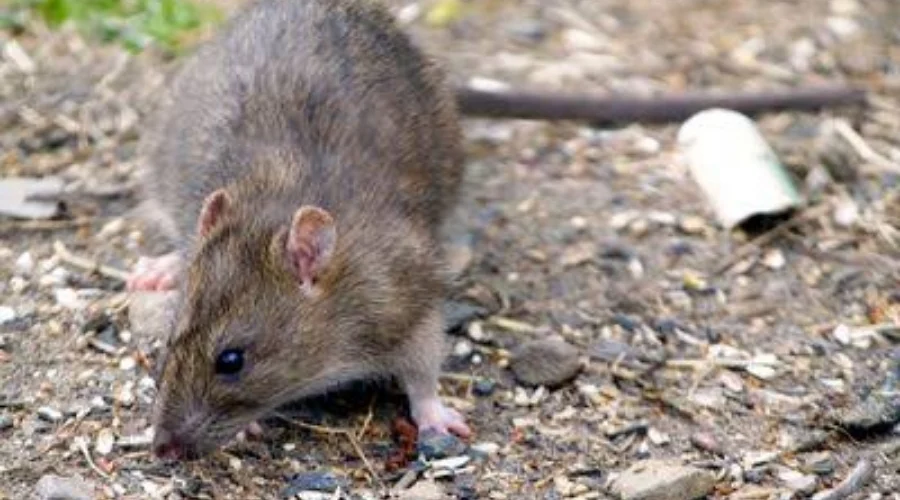
Norway rats are resourceful rodents that can settle around foundations, basements, drainage points, sheds, and other low, sheltered sections of a property. They are capable of using small weaknesses to gain access to food and secure nesting areas. Our Norway rat control service gives property owners a focused solution for managing these rodents and addressing the circumstances.
Rat activity can remain hidden until signs become more noticeable, allowing rodents to establish regular paths between their shelter and feeding areas.


What Early Treatment Can Do
- Fewer Rat Sightings
- Reduced Dropping Traces
- Cleaner Surrounding Areas
- Protected Storage Locations
- Safer Household Spaces
- Quieter Evenings
- Less Gnawing Activity
- Reduced Nesting Concerns
- Better Property Protection
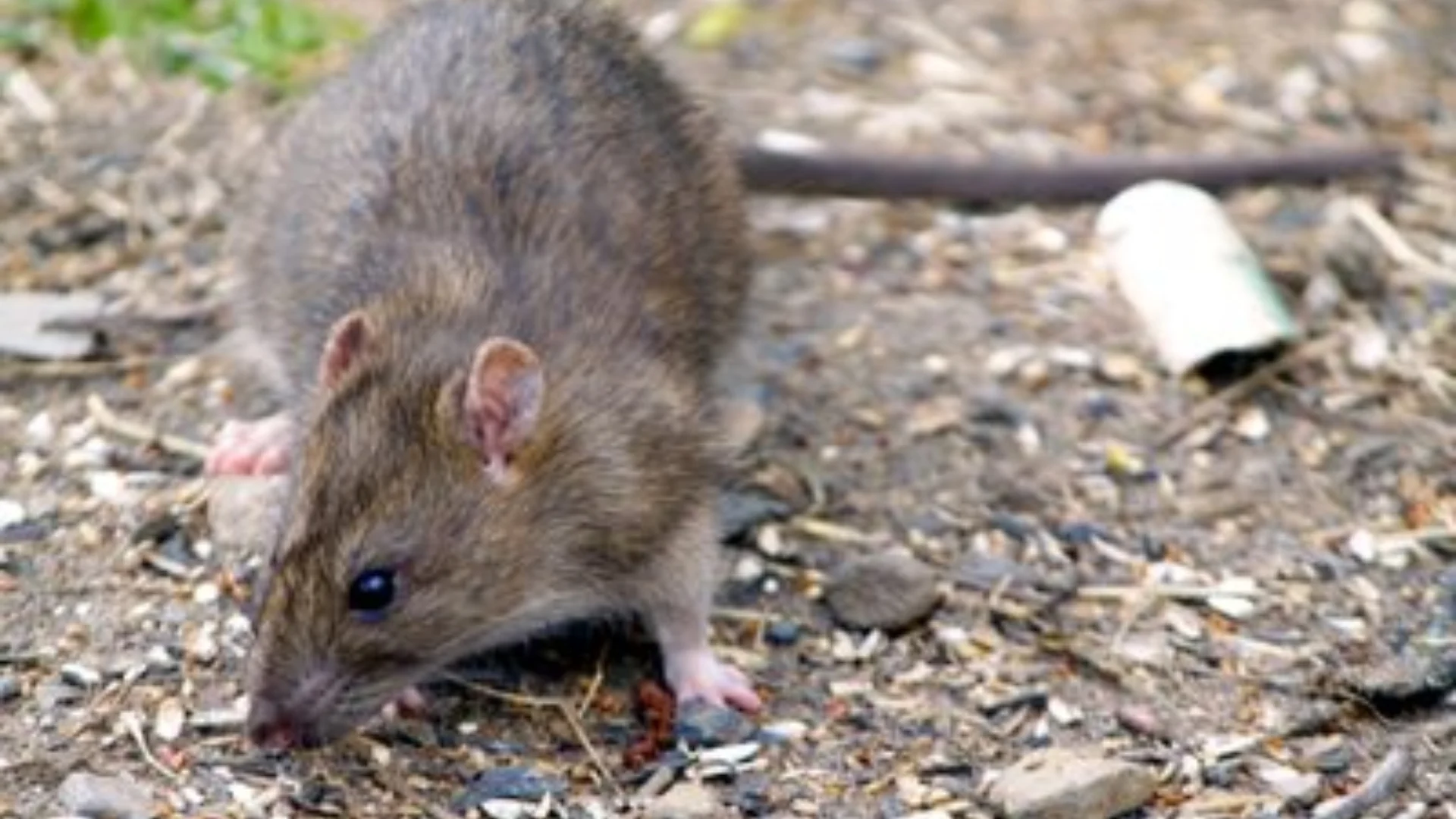
A focused Norway rat control plan helps address unwanted rodent activity while making the property easier to maintain and less inviting to continued infestation.
Focus On Ground Level Areas
These rodents frequently favour locations close to the ground where moisture, shelter, and food may be readily available. Basements, crawl spaces, garages, foundation edges, and utility sections can therefore become important areas when investigating an infestation. Giving these spaces proper attention can help uncover activity that might otherwise remain unnoticed and provide a clearer path toward controlling the problem.
Remove Favourable Conditions
Norway rats are more likely to remain where they can find dependable shelter and accessible resources. Outdoor debris, dense vegetation, poorly stored materials, open rubbish, and undisturbed corners can all create attractive conditions. Improving these surroundings alongside pest treatment can make the property less suitable for continued nesting and reduce factors that contribute to recurring rodent activity.

Keep Household Areas Sanitary
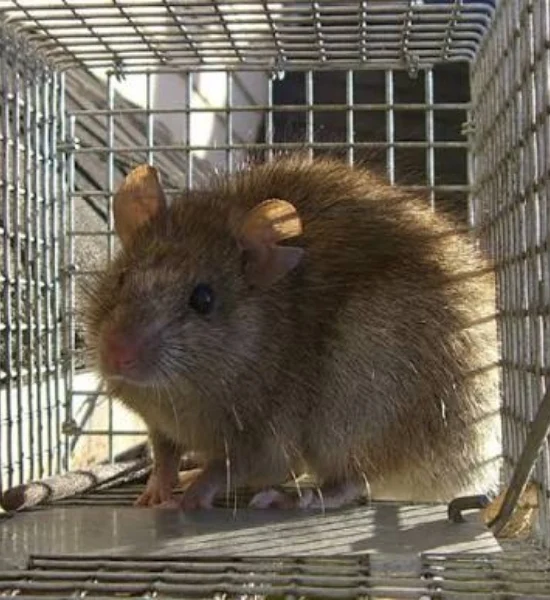
Rodents may travel between waste, outdoor feeding areas, storage spaces, and interior sections of a building. This movement can leave droppings, nesting debris, and other unwanted traces behind. Persistent contamination concerns can make certain parts of the property unpleasant to use. Reducing rat activity helps limit these recurring signs and makes routine cleaning and upkeep more manageable.
Limit Gnawing Damage
Norway rats constantly gnaw because their teeth continue growing throughout their lives. This behaviour can affect packaging, insulation, stored goods, wiring coverings, and other materials they encounter. Continued access to hidden parts of a building can increase the potential for damage. Prompt management helps reduce the time rodents have to move freely around vulnerable areas and create further problems.
Close Their Access Routes
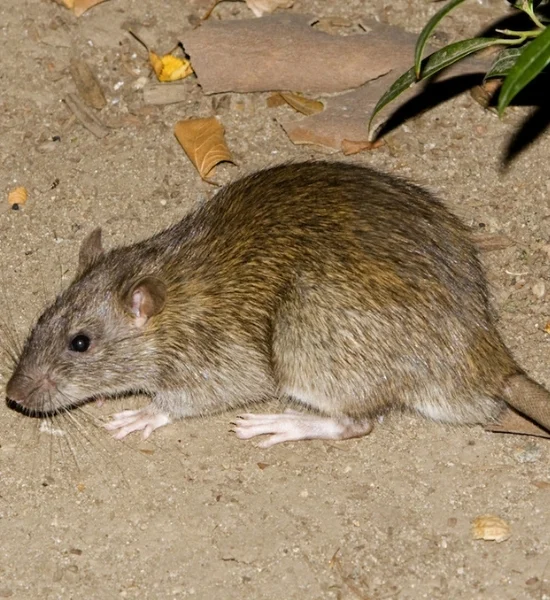
A property can remain vulnerable when small openings are left unaddressed. Gaps around foundation walls, service pipes, vents, doors, drainage points, and other structural features may provide rats with convenient routes indoors. Reviewing these areas and making suitable improvements can strengthen the property’s defences and reduce opportunities for another infestation to develop.
Identify The Warning Signs
Norway rats may be difficult to spot because much of their movement occurs after dark or through concealed areas. Evidence such as fresh droppings, greasy rub marks, gnawed surfaces, burrows, and unusual noises can point toward active rodents. Recognizing these indicators early allows homeowners to respond before rats become firmly established and begin affecting additional areas.
FAQ
Look for large droppings, burrows, gnaw marks, grease smears, nesting debris, unusual sounds, or repeated rodent movement around the property.
They commonly occupy ground-level areas such as foundation spaces, basements, crawl spaces, garages, drainage zones, and outdoor burrows.
They may be drawn by accessible food, standing water, rubbish, shelter, clutter, warmth, and locations that offer protection from outdoor conditions.
Yes, Norway rats can climb when necessary, although they are particularly associated with ground-level movement and burrowing.
Burrows may appear as holes in soil near foundations, beneath structures, around vegetation, or close to areas where rodents regularly travel.
They can produce scratching, gnawing, squeaking, or movement sounds, particularly when travelling through concealed areas at night.
Yes, they can live outdoors in burrows and sheltered areas while using nearby buildings as sources of food or additional protection.
Open rubbish and accessible food waste can provide an easy food source and may encourage rodents to remain around a property.