

Rodent Trapping
- Home
- /
- Rodent Trapping
All Services
- Get started
- 2369711478
- Info@infestix.com
- 13950 72nd Ave surrey bc
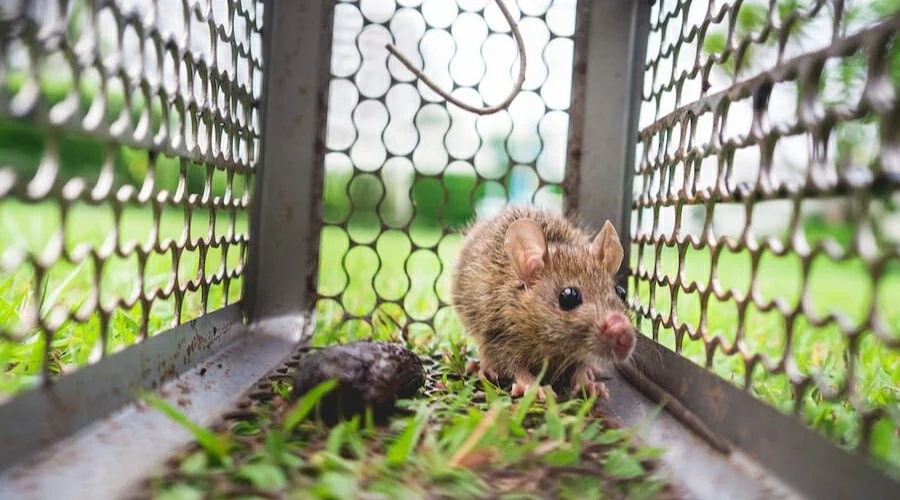
Remove Unwanted Rodents
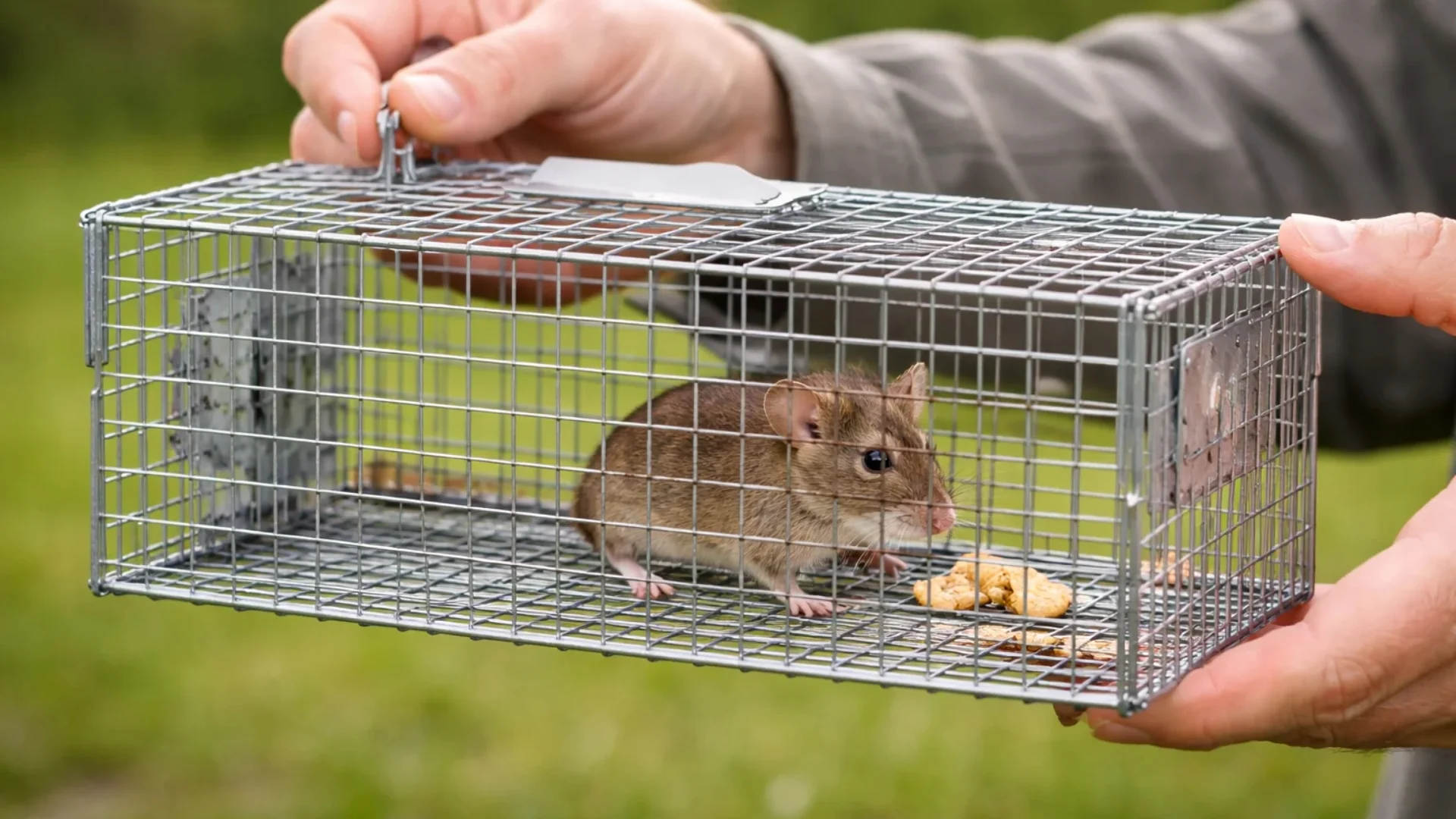
Rodents can move quietly through attics, basements, garages, wall spaces, crawl areas, and storage rooms while searching for food and shelter. Once they settle inside a property, occasional sightings may develop into repeated signs, noises, or damage. Our rodent trapping service provides a focused approach for dealing with active rodents while helping property owners regain control.
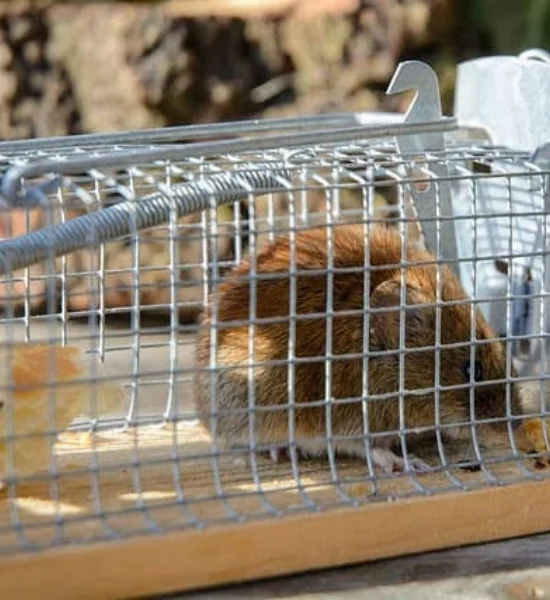
Simply placing traps without understanding where rodents travel may not provide the results you expect. Strategic placement considers signs of movement, sheltered locations, and areas where rodents are most likely to pass.
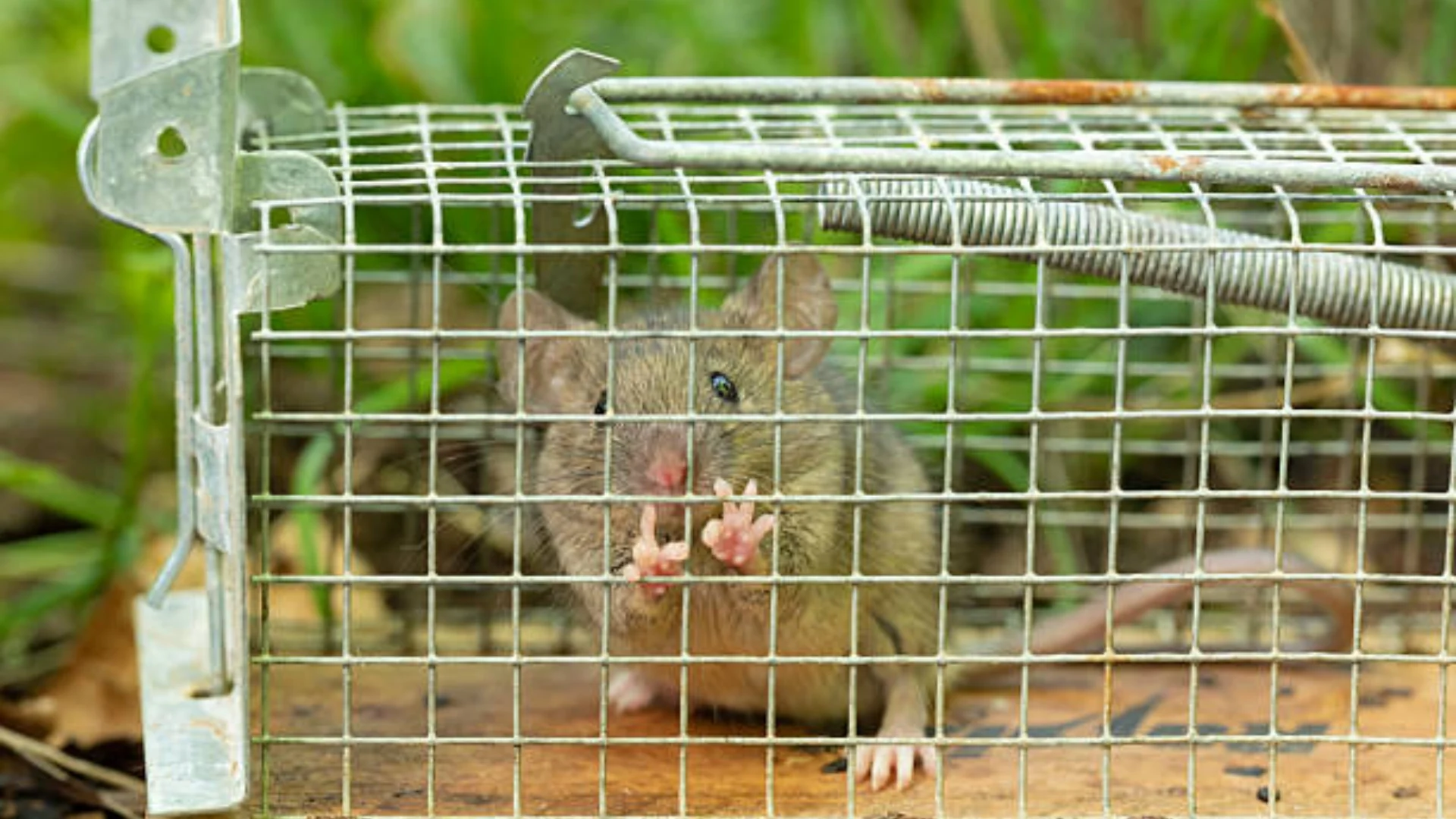
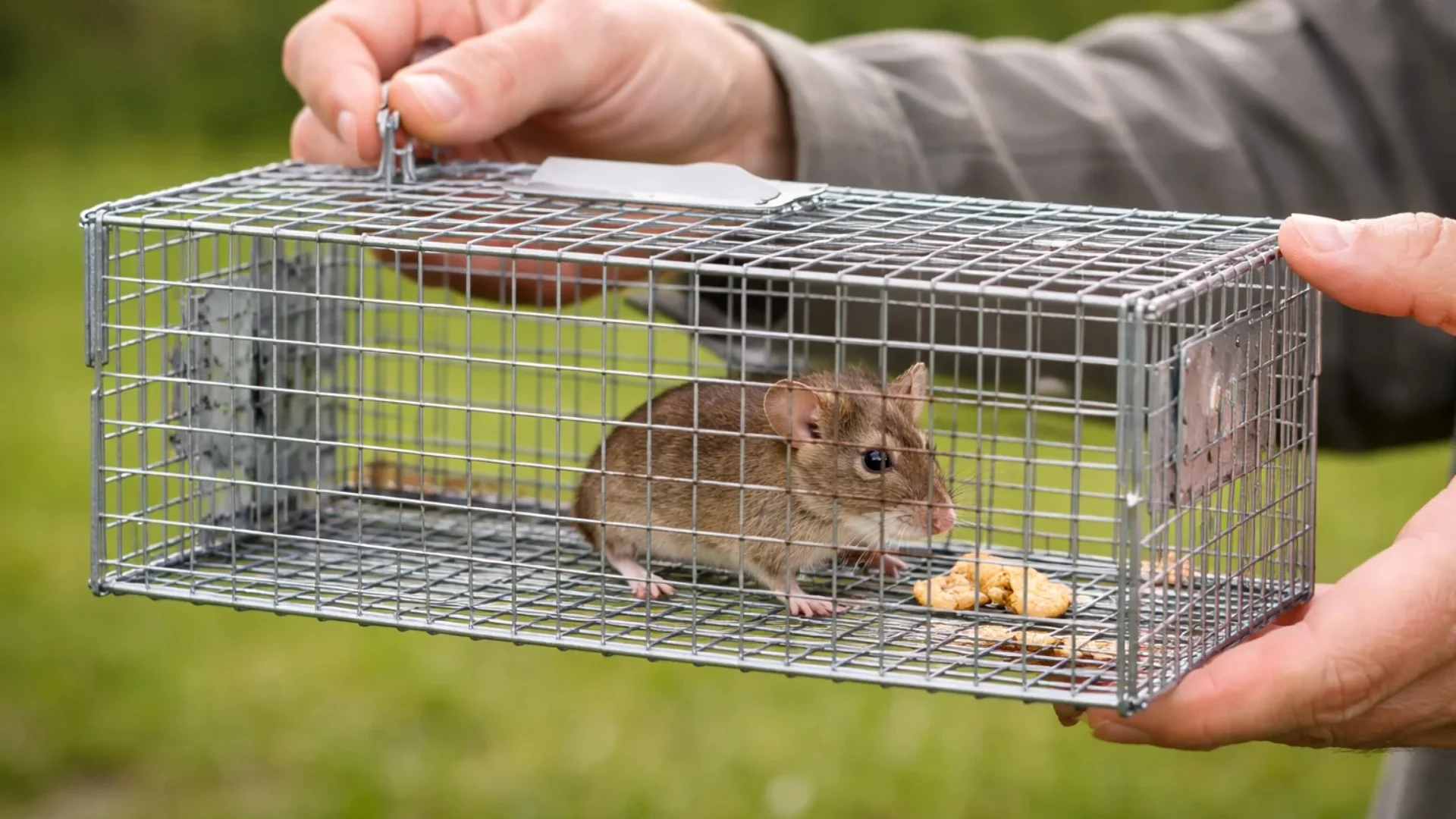
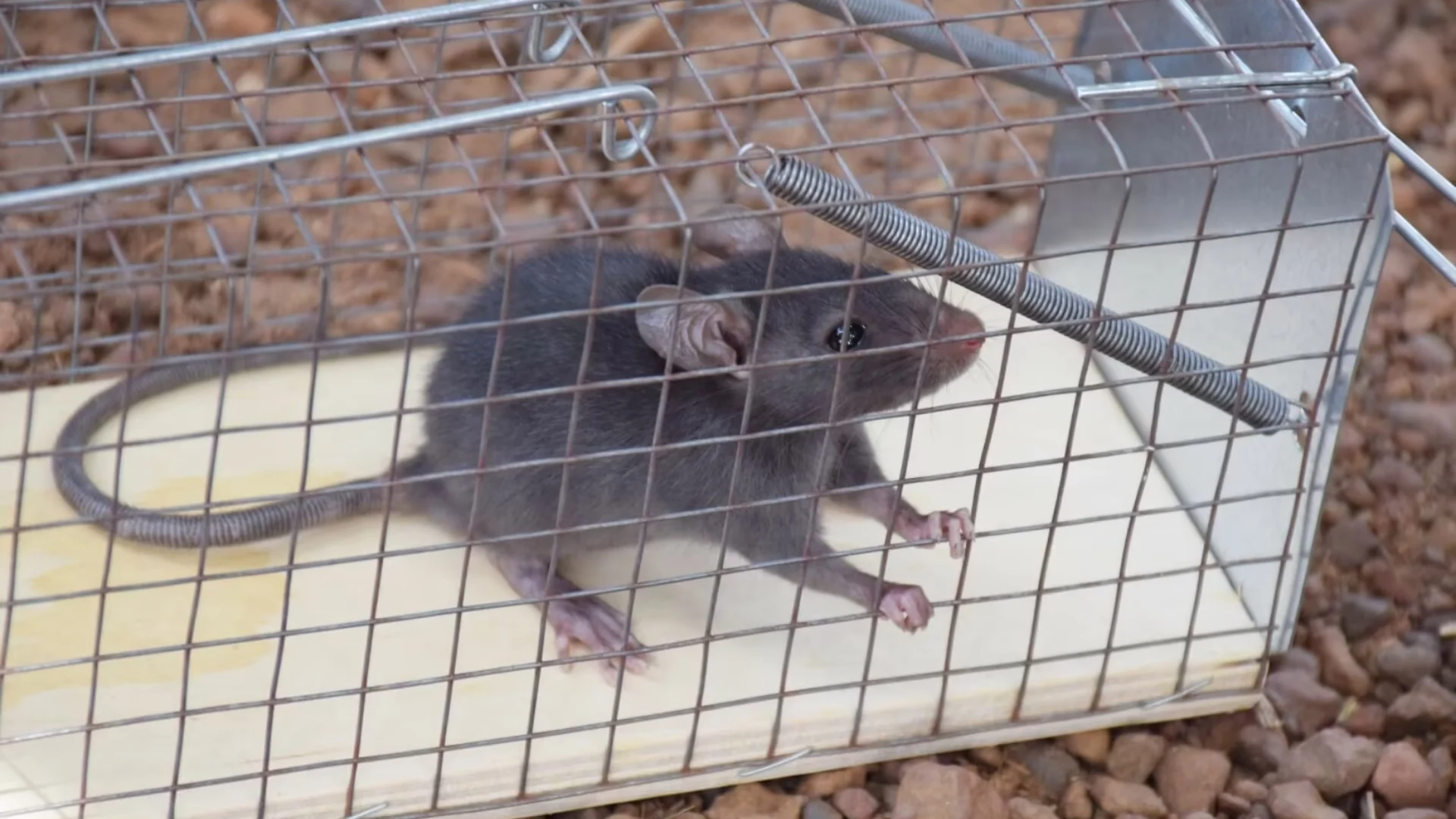
Benefits Of Targeted Trapping
- Fewer Rodent Sightings
- Reduced Indoor Noise
- Better Activity Control
- Cleaner Living Spaces
- Protected Stored Items
- Less Property Disturbance
- Reduced Nesting Activity
- Improved Household Comfort
- Focused Rodent Removal
Rodent trapping offers a direct way to address active rodents while supporting a cleaner, quieter, and more manageable property.
Reach Difficult Areas
Rodents can settle in places that are uncomfortable or impractical for homeowners to access regularly. Behind appliances, beneath structures, inside storage sections, above ceilings, and within wall spaces can all become hiding locations. A focused trapping service considers these less-visible areas and helps address activity that may otherwise continue without being noticed.
Reduce Household Disruption
Hearing rodents moving through walls or ceilings can become especially frustrating at night. Repeated sightings around kitchens, garages, or storage areas can also make normal routines feel less comfortable. Removing active rodents can reduce these interruptions and help restore a greater sense of calm throughout the property.
Protect Belongings
Rodents may chew, nest, and move through stored materials while establishing themselves inside a building. Cardboard, fabrics, insulation, packaging, and other household items can be disturbed or damaged. Reducing active rodent presence helps limit continued access to these materials and can make storage areas easier to maintain.
Keep Food Areas Secure
Rodents are naturally drawn toward accessible food, making kitchens, pantries, cupboards, and waste areas common points of concern. Signs of activity around these locations can create unnecessary worry and cleaning work. Focused trapping helps address the rodents responsible for the problem while supporting better control around important household food areas.
Follow Through After Removal
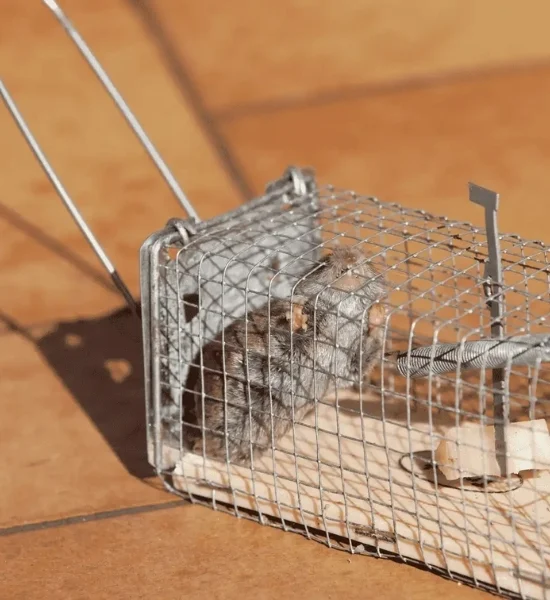
Trapping active rodents is only one part of maintaining better protection. If openings, food sources, clutter, or sheltered conditions remain available, additional rodents may eventually enter the property. Reviewing these factors after trapping can help reduce future activity and give homeowners a more complete approach to ongoing rodent prevention.
Pinpoint Their Movement
Rodents often follow familiar routes between nesting locations, food sources, and sheltered spaces. Identifying these patterns can make trapping more effective than placing equipment randomly throughout the property. Professional attention helps determine where activity is occurring and allows trapping measures to be positioned with the wider infestation in mind.
FAQ
Rodent trapping is a pest management method that uses strategically positioned traps to capture active rodents within or around a property.
Placement depends on signs of activity, travel routes, hiding areas, and the type of rodent involved rather than simply choosing random locations.
Droppings, gnaw marks, nesting material, grease marks, noises, and other evidence can help indicate frequently used routes.
They can be used in suitable attic areas when rodent activity is present, provided placement is appropriate for the space and circumstances.
Rodents can be cautious, adaptable, and highly aware of changes within their environment, which can make poorly positioned traps less effective.
Frequent disturbance or unnecessary movement can interfere with a trapping strategy, so placement should be based on observed activity and handled appropriately.
Trapping can address active rodents, but lasting control may also require attention to entry points, food sources, shelter, and other conditions supporting the infestation.
The appropriate next step depends on the trapping method and circumstances. Professional service can provide guidance on safe handling and follow-up measures.