

Bed Bug Inspection
- Home
- /
- Bed Bug Inspection
All Services
- Get started
- 2369711478
- Info@infestix.com
- 13950 72nd Ave surrey bc
Find The Evidence
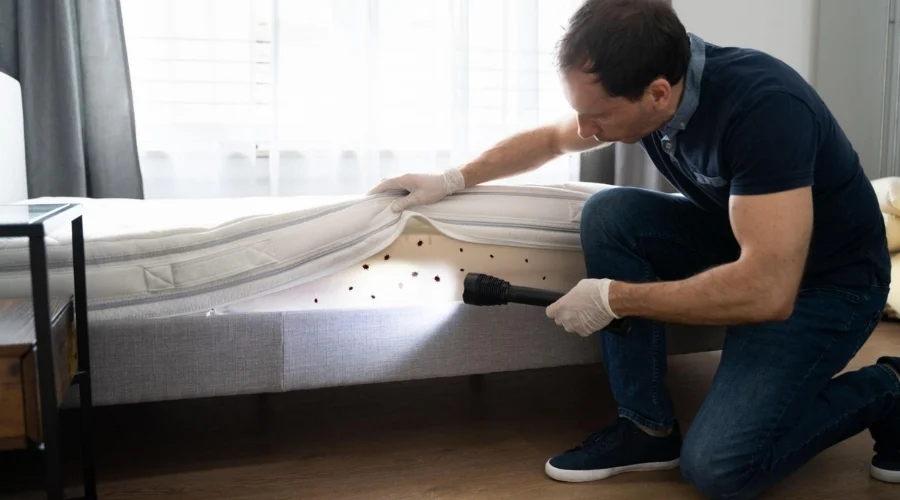
Bed bugs can remain hidden in narrow cracks, mattress seams, furniture joints, headboards, baseboards, and other sheltered locations. Because they are small and mostly active when people are resting, an infestation can develop before clear evidence is noticed.
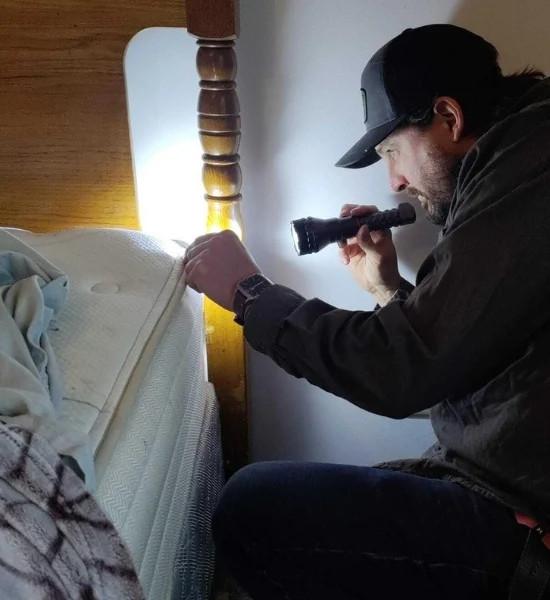
A few unexplained bites or marks do not always confirm bed bugs, and relying only on visible insects can make detection difficult. A thorough inspection examines likely hiding places and our team looks for physical evidence.

Why A Careful Inspection Helps
- Earlier Pest Detection
- Clearer Infestation Evidence
- Examined Sleeping Areas
- Checked Furniture Sections
- Identified Hiding Spots
- Reduced Treatment Guesswork
- Better Property Awareness
- Faster Response Planning
A professional bed bug inspection gives you useful information about suspected activity and helps determine whether further pest management may be necessary.
Examine Sleeping Areas
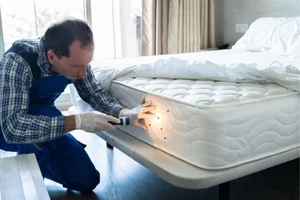
Beds and surrounding furniture can provide many concealed places for bed bugs to hide. Mattress seams, box springs, bed frames, headboards, and nearby furnishings may all deserve close attention. Checking these areas carefully can reveal evidence that might otherwise remain unnoticed during normal household cleaning.
Check Concealed Locations
Bed bugs are not limited to mattresses. They may shelter inside furniture joints, behind loose wallpaper, around baseboards, beneath carpet edges, and within small cracks close to resting areas. Examining these less obvious locations provides a broader view of possible activity and helps avoid relying on a single visible sign.

Look For Physical Clues
An inspection may reveal shed skins, dark spotting, eggs, eggshells, live insects, or other indicators associated with bed bug activity. Individual signs can sometimes be difficult to interpret without experience. Reviewing several clues together can provide a more reliable understanding of whether a property may have an active infestation.
Assess Nearby Furniture
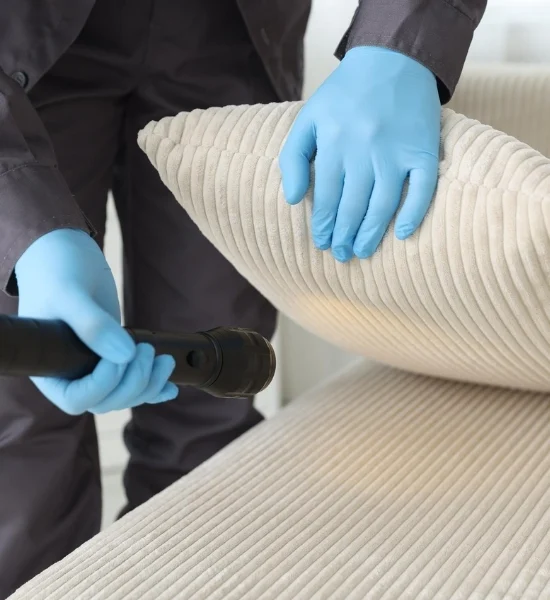
Chairs, sofas, nightstands, dressers, and other upholstered or closely positioned furniture can become potential hiding locations. Bed bugs may move between sleeping areas and nearby furnishings when conditions allow. Examining these items can help determine whether suspected activity extends beyond the bed itself and whether additional areas may require attention.
Determine The Problem Area
Knowing where evidence is concentrated can help establish the scope of a potential infestation. An inspection can identify rooms, furnishings, or structural sections showing signs that deserve closer monitoring or treatment. This information helps property owners avoid treating blindly and supports a more focused response when professional pest management is required.
Plan The Next Step
An inspection should provide more than a quick look around the room. The findings can help determine whether treatment, monitoring, preparation, or additional investigation may be appropriate. Having a clearer understanding of the situation allows homeowners and property managers to make practical decisions instead of reacting to uncertain symptoms or isolated signs.
FAQ
An inspection looks for physical evidence such as live insects, dark spotting, shed skins, eggs, eggshells, and other signs around likely hiding areas.
They often hide near sleeping and resting areas, including mattress seams, bed frames, headboards, furniture, baseboards, and small cracks.
Yes. Bed bugs can shelter in upholstered furniture, joints, seams, drawers, cracks, and other protected sections close to people.
Mattresses are an important inspection area because seams, edges, labels, and other concealed sections can provide suitable hiding places.
Yes. Bed bugs can remain hidden during the day, so an infestation may be present even when live insects have not been spotted.
Dark spots, shed skins, eggs, eggshells, live insects, and recurring unexplained signs around sleeping areas may warrant further investigation.
An inspection can help locate evidence and affected areas, although the full extent may require continued monitoring or further assessment.
Yes. A single suspected bed bug can justify checking nearby sleeping and resting areas to determine whether additional evidence is present.
Professional inspection can provide a more systematic assessment of concealed areas and help distinguish possible bed bug evidence from unrelated signs.
Consider an inspection when you notice suspected insects, recurring unexplained signs, evidence around sleeping areas, or concerns following exposure to a known infestation.