

Sanitation recommendations
- Home
- /
- Sanitation recommendations
All Services
- Get started
- 2369711478
- Info@infestix.com
- 13950 72nd Ave surrey bc
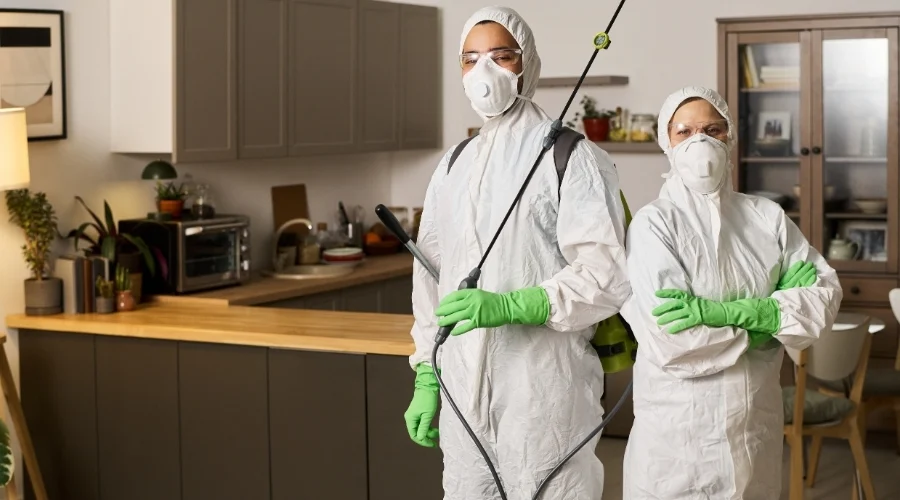
Make Conditions Less Inviting
Pests are often drawn to the same things people overlook during normal property care: food residue, clutter, moisture, waste, and poorly managed storage. Our sanitation recommendations help identify those contributing factors and turn them into practical improvements you can actually use. The goal is not to criticize how a property is maintained, but to show where small changes can make a meaningful difference. Better sanitation supports cleaner spaces, stronger prevention, and fewer conditions that allow pest activity to continue.
Clear recommendations also make follow-through easier. You know which areas deserve attention, what can be improved, and how those changes can strengthen the results of your overall pest management plan.
Services Include
- Cleaner Food Areas
- Better Waste Control
- Reduced Pest Attraction
- Smarter Storage Habits
- Lower Moisture Pressure
- Fewer Hidden Harbourages
- Stronger Property Standards
- Easier Daily Upkeep
Sanitation guidance helps remove the conditions that often support recurring pest activity. By improving the way food, waste, moisture, and storage are managed, you create a property that is less attractive to pests and easier to protect over time.
Improve Food Storage
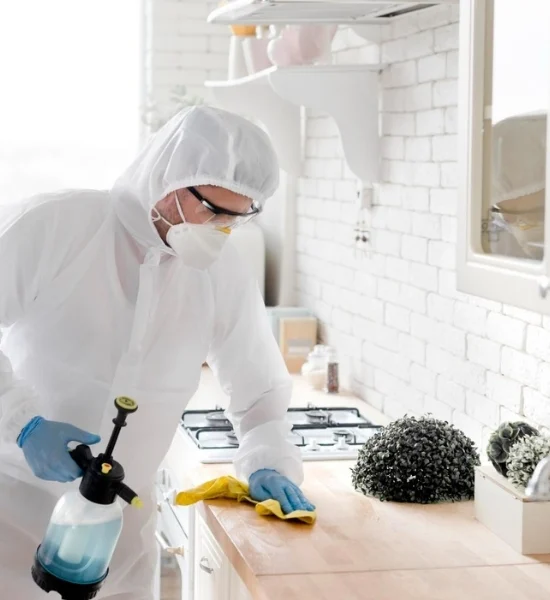
Food storage can play a major role in pest activity, especially in kitchens, pantries, staff rooms, and commercial spaces. Clear sanitation recommendations help you improve how dry goods, pet food, ingredients, and open products are stored. Better organization reduces easy access to food sources and makes it easier to notice issues early before they become a larger problem.
Manage Waste Better
Waste areas can quickly attract pests when bins, recycling, or food residue are not handled consistently. Practical recommendations can help improve bin placement, cleaning routines, lid use, and disposal habits. These changes support a cleaner property while reducing one of the most common sources of pest pressure around homes and businesses.
Reduce Excess Moisture
Moisture can support pest activity in kitchens, bathrooms, basements, utility areas, and other damp spaces. Sanitation guidance may include practical ways to reduce standing water, leaks, condensation, or other sources that make the environment more inviting. Even small improvements can make a noticeable difference when they are applied consistently.
Clear Hidden Clutter
Clutter can create sheltered spaces where pests remain unnoticed for longer periods. Storage rooms, garages, closets, and back-of-house areas are especially vulnerable when items are packed tightly or left undisturbed. Better organization makes those areas easier to inspect, easier to clean, and less attractive to pests looking for quiet harbourage.
Support Better Results
Professional pest control works best when the surrounding conditions do not continue feeding the problem. Sanitation recommendations help support the service already being provided by reducing food, water, and shelter opportunities. That creates a stronger overall strategy and helps property owners get more value from ongoing pest management.
Build Better Habits
Good sanitation is not about one major cleanup. It is about creating simple routines that are easy to maintain. Practical recommendations help turn prevention into everyday habits, making it easier to keep standards consistent without creating extra work. Over time, those small habits can reduce recurring pest pressure and make the property feel cleaner, more organized, and easier to manage.
FAQ
They are practical suggestions that help reduce food, moisture, clutter, and other conditions that attract pests.
No, but certain conditions can make a property more attractive or easier for pests to use.
Yes, recommendations can include better ways to store food and reduce easy pest access.
Yes, waste handling and bin areas can be included when they are contributing to pest pressure.
Yes, leaks, standing water, and damp areas can support several types of pest activity.
Yes, they can be especially valuable for kitchens, warehouses, offices, and shared commercial spaces.
No, recommendations can be prioritized so the most important improvements are addressed first.
Yes, better conditions can reduce the factors that allow pest activity to continue.
Yes, it is an important part of a broader prevention and control plan.
It helps you focus on the changes most likely to make a practical difference.