

Exclusion work
- Home
- /
- Exclusion work
All Services
- Get started
- 2369711478
- Info@infestix.com
- 13950 72nd Ave surrey bc
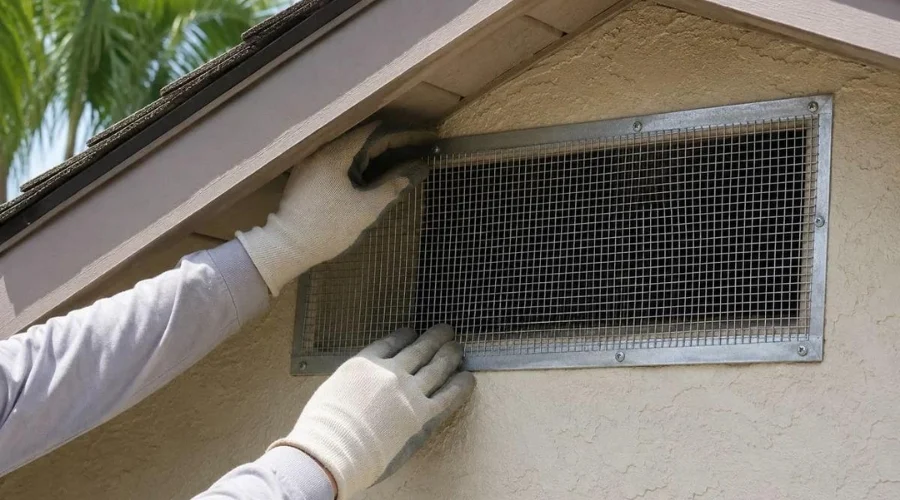
Close The Access
Exclusion work focuses on one of the biggest reasons pest problems return: unwanted access into the property. Gaps, openings, vents, utility lines, roof edges, and other structural weak points can all create opportunities for pests or wildlife to get inside. Our exclusion service helps address those vulnerable areas with practical improvements designed to reduce re-entry. It is a smarter way to support long-term control while making the property easier to manage and less exposed to recurring intrusion.
Once likely entry routes are addressed, the entire pest management plan becomes stronger. You are no longer relying only on reactive service, and future problems become far easier to prevent.
Stronger From Outside
- Fewer Entry Points
- Reduced Repeat Activity
- Stronger Exterior Barriers
- Better Wildlife Protection
- Smarter Property Defence
- Lower Pest Pressure
- Improved Building Security
- Easier Long Term Care
Exclusion work creates lasting value because it addresses how pests may be getting inside. By strengthening those vulnerable areas, you reduce future pressure and give other pest control measures a better chance to hold.
Seal The Weaknesses
Small openings can create large problems when pests find them repeatedly. Exclusion work targets the areas that are most likely to allow entry, including gaps around foundations, doors, vents, pipes, and structural transitions. Addressing these weaknesses gives the building a stronger perimeter and helps reduce the chance of the same access issue causing another pest problem later.
Reduce Repeat Entry
A pest problem can become frustrating when activity returns through the same route. Exclusion work helps interrupt that pattern by limiting the openings pests or wildlife may be using. This creates a more dependable long-term result and reduces the need for repeated reactive service every time new activity appears.


Support Wildlife Control
Wildlife problems often require more than removing the animal that is already present. If access remains open, another animal may simply return later. Exclusion work helps strengthen attic, roofline, vent, and exterior entry areas so the property is less inviting and easier to protect after wildlife activity has been addressed.
Improve Overall Control
Pest treatments and exclusion work are strongest when they support each other. Once active pest pressure is reduced, closing entry routes helps protect the progress already made. That combination creates a more complete strategy, giving property owners fewer gaps in protection and a clearer path toward longer-term control.
Protect Property Value
Recurring pest entry can affect more than comfort. It may also lead to added maintenance, cleanup, or repair concerns over time. Exclusion work helps reduce that risk by improving vulnerable parts of the building before they create another problem. It is a practical way to protect the condition of the property and preserve the effort already invested in maintaining it.
Make Prevention Practical
Long-term prevention works best when it is built into the property itself. Exclusion work turns preventive recommendations into physical improvements that help reduce future access. That makes pest management less dependent on constant monitoring and gives owners a more reliable foundation for keeping unwanted activity under control.
FAQ
It involves closing or strengthening areas pests or wildlife may use to enter a property.
Common areas include vents, rooflines, foundations, gaps, utility openings, and exterior access points.
Yes, it can reduce common entry routes used by mice and rats.
Yes, it is often used after squirrel, raccoon, bird, or other wildlife activity.
They are closely related, although exclusion often focuses more directly on known or likely entry routes.
Often, yes, because access points may need to be addressed once active wildlife or pests are handled.
No, but it can significantly reduce opportunities for pests to enter through vulnerable areas.
An inspection can help identify which entry points should be prioritized.
Yes, aging materials and structural gaps can create more opportunities for pest entry.
Professional exclusion helps focus repairs on the access points most likely to cause recurring problems.