

Entry-point inspections
- Home
- /
- Entry-point inspections
All Services
- Get started
- 2369711478
- Info@infestix.com
- 13950 72nd Ave surrey bc
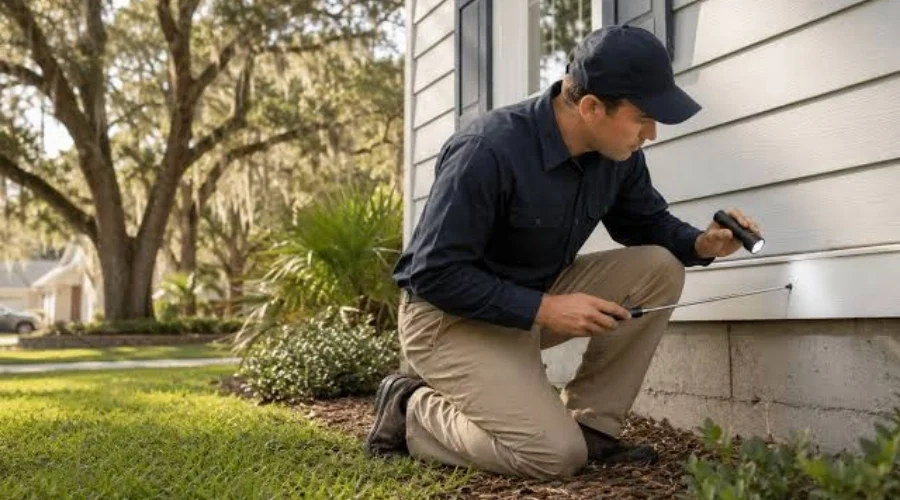
Find The Openings
Pests often get inside through small gaps, damaged seals, vents, utility penetrations, roofline openings, and other overlooked access points. Our entry-point inspections focus on identifying those vulnerable areas so you can understand where unwanted activity may be starting. Rather than waiting for repeated sightings indoors, you gain a clearer view of the exterior and structural openings that deserve attention. That makes prevention more targeted, practical, and easier to prioritize.
Knowing where access is possible gives you a much stronger starting point. It helps reduce guesswork, supports better exclusion planning, and makes future pest control more efficient.
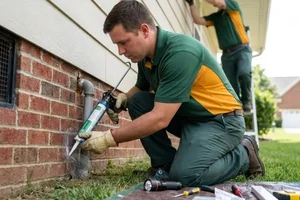
Close Gaps Earlier
- Clearer Entry Risks
- Better Exclusion Planning
- Earlier Problem Prevention
- Stronger Property Barriers
- Fewer Indoor Surprises
- Smarter Repair Priorities
- Reduced Pest Access
- Improved Home Security
Entry-point inspections make prevention more precise by showing where attention is actually needed. That helps you avoid unnecessary repairs while focusing effort on the areas most likely to contribute to pest entry.
Check The Perimeter
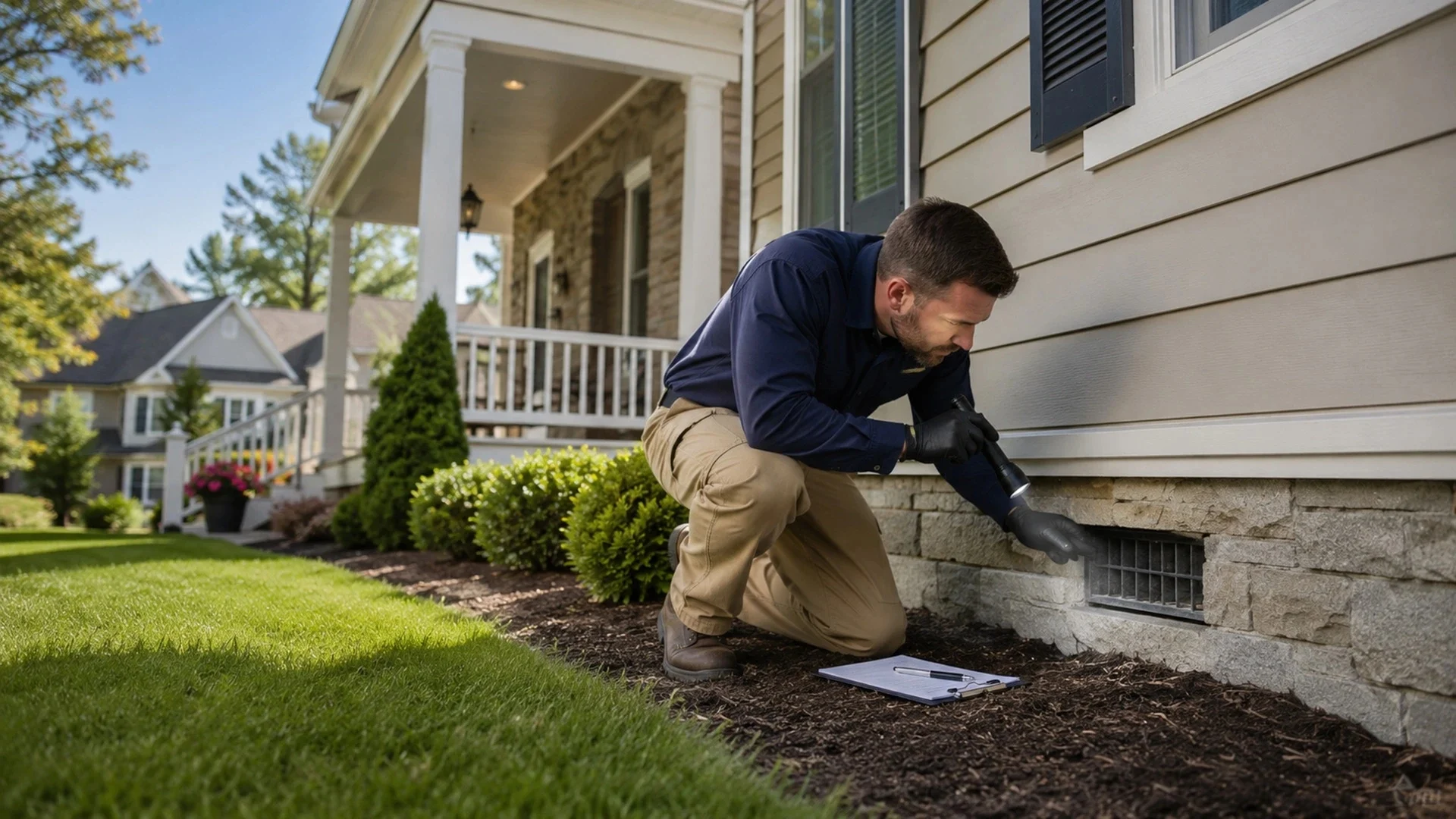
Exterior walls, foundations, doors, windows, and roof edges can all develop openings over time. Some are obvious, while others are easy to miss during normal property maintenance. A professional inspection gives those areas a closer look, helping you understand where pests may be gaining access and which parts of the perimeter deserve stronger protection.
Review Utility Openings
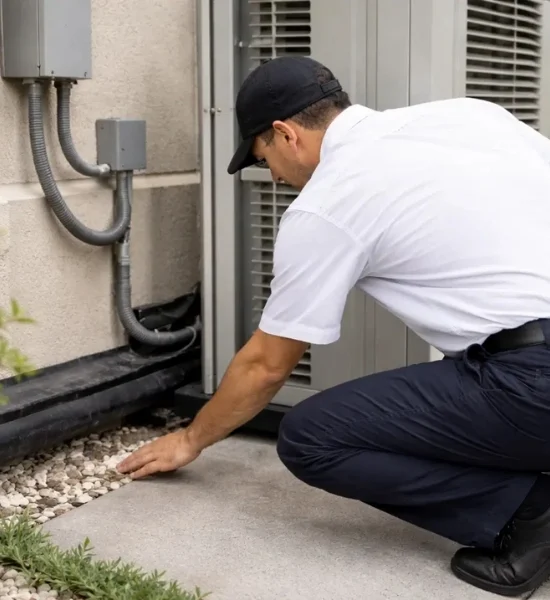
Pipes, cables, vents, and other utility penetrations often create small spaces around the points where they enter a building. Those gaps can become convenient access routes for insects and rodents. An entry-point inspection helps identify these vulnerable areas so they can be considered as part of a broader pest-proofing or exclusion plan.
Spot Hidden Weaknesses
Not every access point is visible from the most obvious parts of the property. Openings around soffits, rooflines, garages, crawl spaces, or less-used exterior areas may remain unnoticed for long periods. A focused inspection helps bring those hidden weaknesses into view, giving you a more complete understanding of where pest entry may be occurring.
Prioritize Repairs Wisely
Once several potential entry points are identified, it is important to know which ones matter most. An inspection helps you separate minor cosmetic gaps from areas that deserve more immediate attention. That clearer priority list makes maintenance decisions easier and helps you spend time and money where they can have the greatest preventive value.
Support Better Exclusion
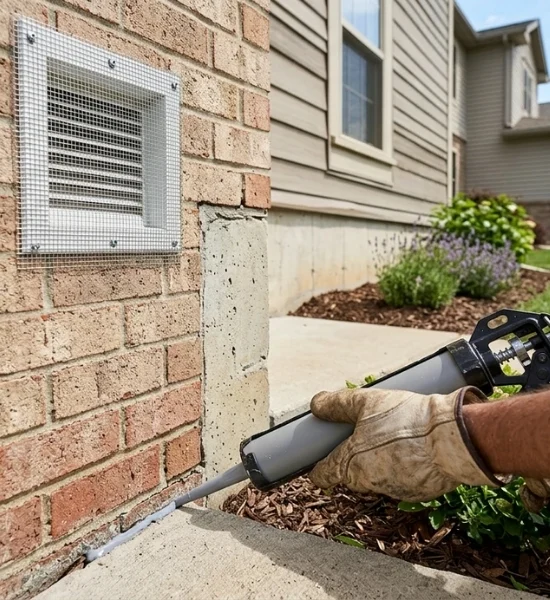
Exclusion work is far more effective when it is based on a careful understanding of how pests may be entering. Entry-point inspections provide that foundation by identifying likely access routes before repairs begin. This makes future sealing and pest-proofing more focused, reducing the chance of relying on broad fixes that do not address the areas causing the real problem.
Strengthen Long Term Prevention
A property becomes easier to protect when access points are understood and managed proactively. Entry-point inspections can support longer-term pest prevention by helping owners stay ahead of wear, damage, and structural openings as conditions change. That ongoing awareness makes future maintenance more organized and reduces the likelihood of repeated pest entry going unnoticed.
FAQ
It checks for gaps, openings, and vulnerable areas pests may use to enter a property.
Accessible foundations, doors, windows, vents, rooflines, and utility openings may be reviewed.
Yes, inspections can help identify likely access areas used by mice and rats.
Yes, small gaps and exterior openings that may allow insect entry can also be considered.
Not always; the inspection first identifies where exclusion may be needed.
Yes, many access areas are located around less-visible parts of the building.
Yes, older buildings may develop more gaps, wear, and structural openings over time.
Yes, identifying access points is an important part of long-term pest prevention.
Yes, it can help reduce the chance of pests re-entering through the same vulnerable areas.
It gives you a clearer map of pest access risks and where preventive work should be focused.