

Wildlife Exclusion
- Home
- /
- Wildlife Exclusion
All Services
- Get started
- 2369711478
- Info@infestix.com
- 13950 72nd Ave surrey bc
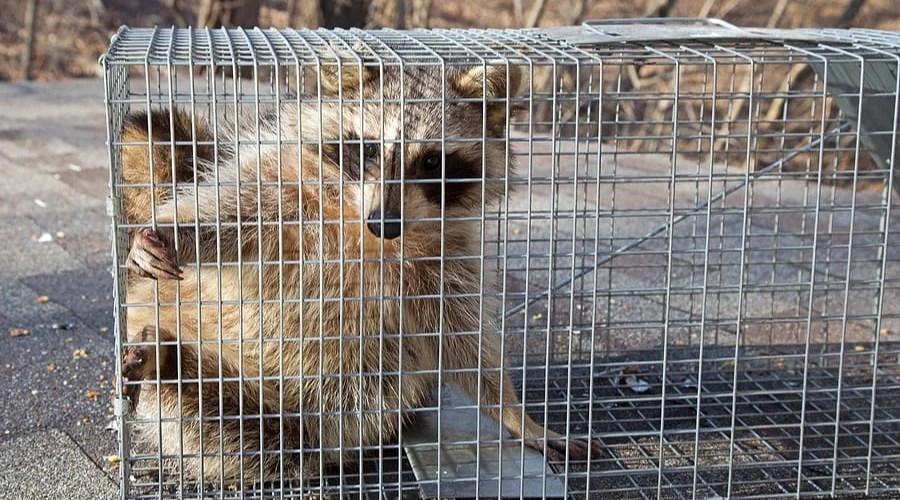
Keep Wildlife On The Outside
Wild animals can find surprisingly small openings around roofs, vents, foundations, chimneys, soffits, crawlspaces, and other parts of a building. Once inside, they may create nests, disturb insulation, damage materials, and leave waste behind. Our wildlife exclusion service focuses on strengthening vulnerable areas so animals have fewer opportunities to enter.
A property can remain exposed even after an animal has been removed if the opening it used is left accessible. Identifying weak spots and improving them provides a more dependable way to protect your property.
Why Exclusion Makes A Difference
- Custom Tour Packages
- Hotel & Resort Booking
- International Trips
- Travel Guide & Support
- Custom Tour Packages
- Hotel & Resort Booking
- International Trips
- Travel Guide & Support
Wildlife exclusion provides a practical barrier between your property and animals looking for food, shelter, or protected nesting locations.
Secure Roof And Attic Areas
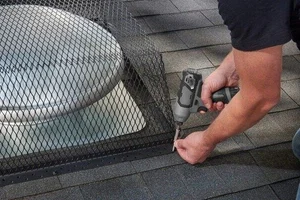
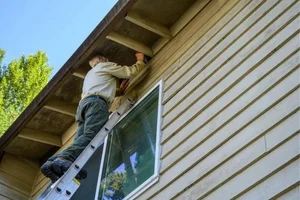
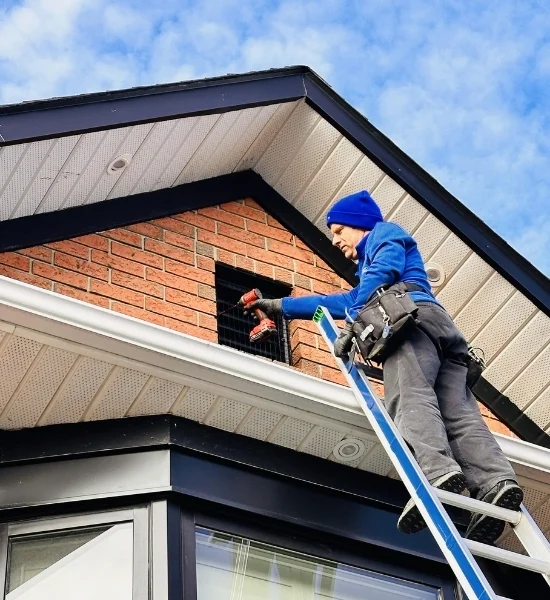
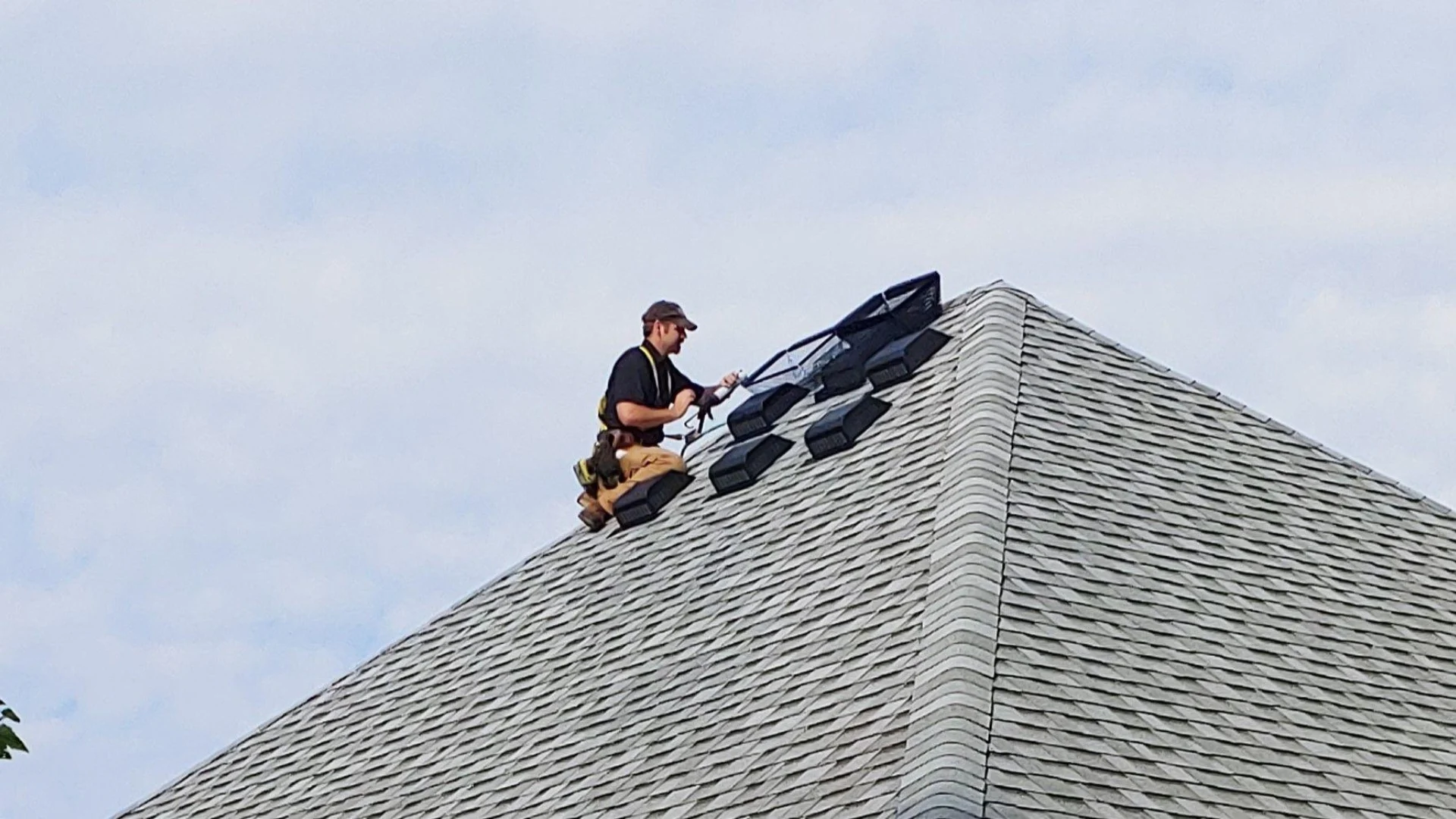
Attics can offer warmth and shelter for squirrels, raccoons, birds, and other wildlife. Openings around rooflines, soffits, vents, and eaves can make access easier. Strengthening these sections can help protect insulation and other interior components from unwanted animal activity.
Protect Crawlspaces And Foundations
Spaces close to the ground can provide convenient access for wildlife seeking shelter. Gaps around foundations, vents, doors, decks, and crawlspaces may become entry routes. Reinforcing these areas can help keep animals from moving into concealed parts of the building.
Reduce Property Damage
Once wildlife enters a structure, it may chew materials, disturb insulation, tear through barriers, or create nesting areas. Preventing access limits the opportunity for these problems to develop and can help reduce future repair and cleanup requirements.
Keep Your Property Secure
Wildlife exclusion is useful for both homes and commercial properties where animals may repeatedly investigate the same vulnerable areas. Stronger barriers help protect storage spaces, roofs, garages, attics, and other sections that are difficult to monitor every day.
Build Long Term Protection
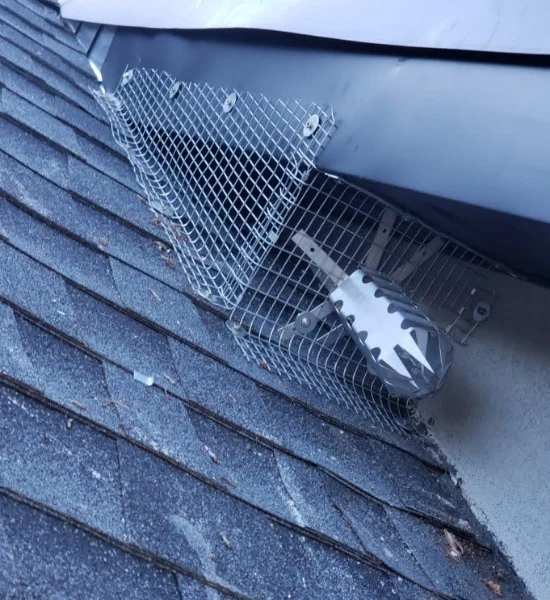
Exclusion works best when potential access routes are identified and secured before another animal discovers them. Regularly checking rooflines, vents, foundations, and other exposed areas can help catch new weaknesses early and maintain stronger protection throughout the year.
Find Vulnerable Entry Points
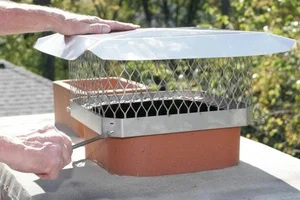
Animals may use gaps around roofing, vents, pipes, siding, foundations, chimneys, and utility openings to gain access. A careful review of these areas can reveal weaknesses that might otherwise go unnoticed and help determine where protective work is most useful.
FAQ
Wildlife exclusion involves securing openings and vulnerable areas to prevent animals from entering a building.
It can help deter squirrels, raccoons, opossums, birds, bats, and other nuisance wildlife.
Common access points include roofs, vents, soffits, foundations, chimneys, and crawlspaces.
Yes. Securing the entry route can significantly reduce the chance of repeated access.
Yes. An opening should not be sealed while an animal may still be inside.
Yes. Securing roofline gaps, vents, soffits, and other openings can help protect attic spaces.
Yes. Foundation gaps, vents, and other openings can be reinforced to reduce access.
Preventing entry can limit opportunities for animals to damage insulation, wiring, wood, and other materials.