

Rodent Inspection
- Home
- /
- Rodent Inspection
All Services
- Get started
- 2369711478
- Info@infestix.com
- 13950 72nd Ave surrey bc
Know What Is Happening
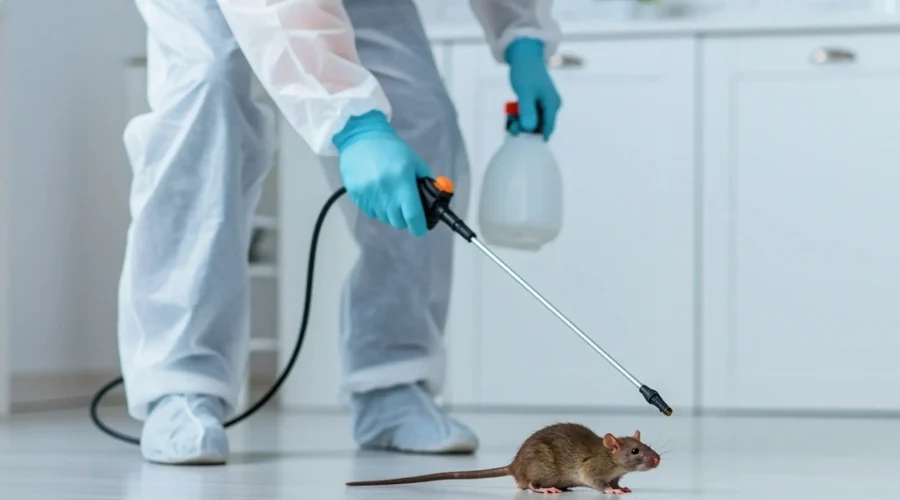
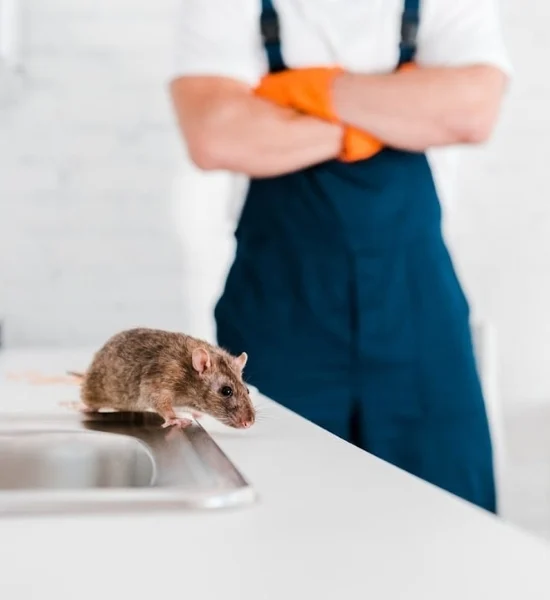
Rodents can move through concealed parts of a building without being seen regularly. Attics, wall cavities, crawl spaces, garages, basements, and storage areas may hide signs that are easy to miss during everyday cleaning. Our rodent inspection service gives property owners a clearer understanding of what is happening by examining areas where rodents may travel, shelter, feed, or enter the building.
A thorough assessment can be especially useful when you hear unexplained sounds, discover droppings, notice damaged materials, or simply suspect that something is moving around hidden spaces.
Value Of A Detailed Inspection
- Earlier Problem Detection
- Clearer Activity Evidence
- Identified Entry Points
- Better Property Awareness
- Reduced Guesswork
- Targeted Pest Planning
- Protected Household Areas
- Improved Maintenance Decisions
- Hidden Space Assessment
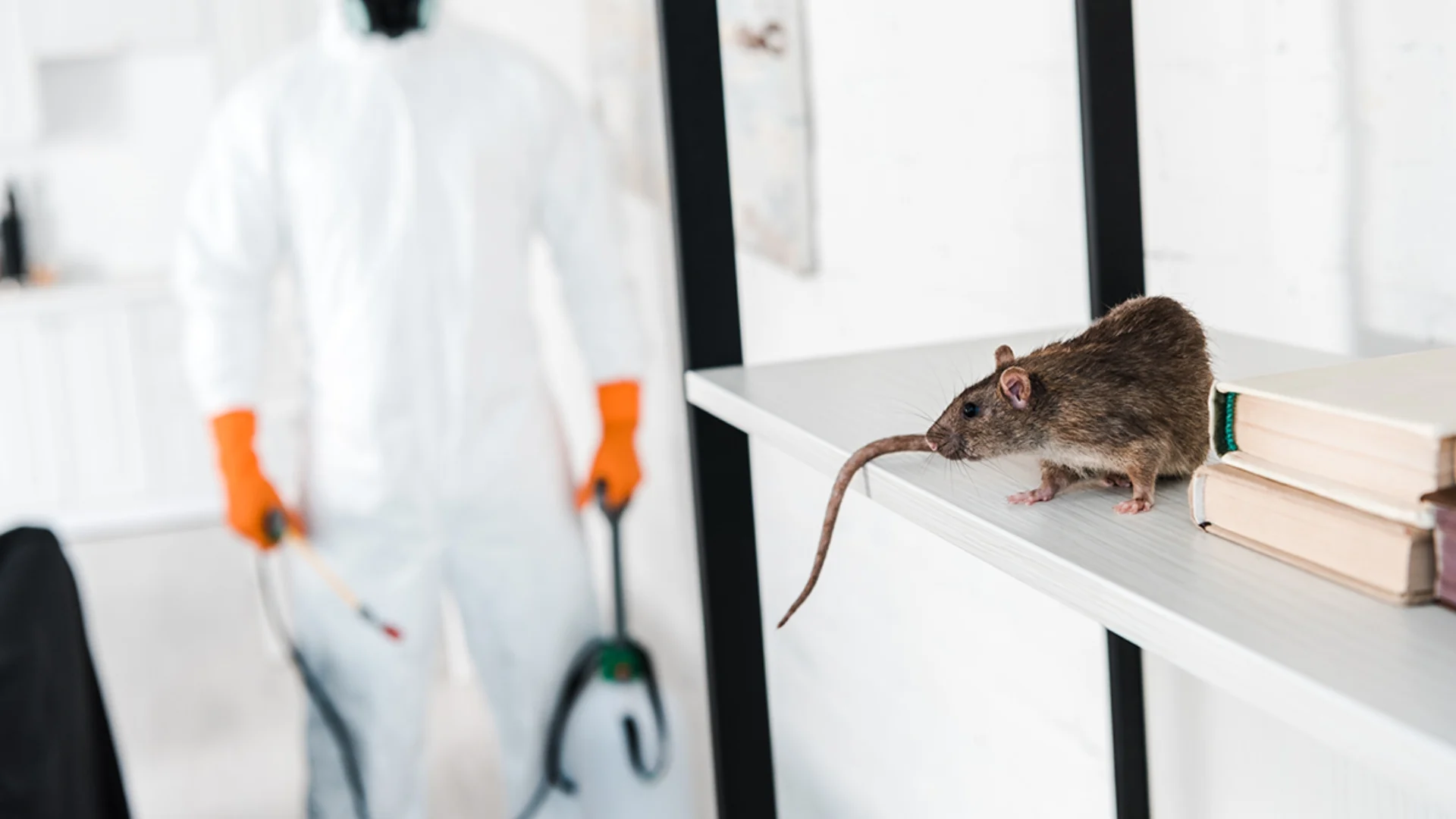
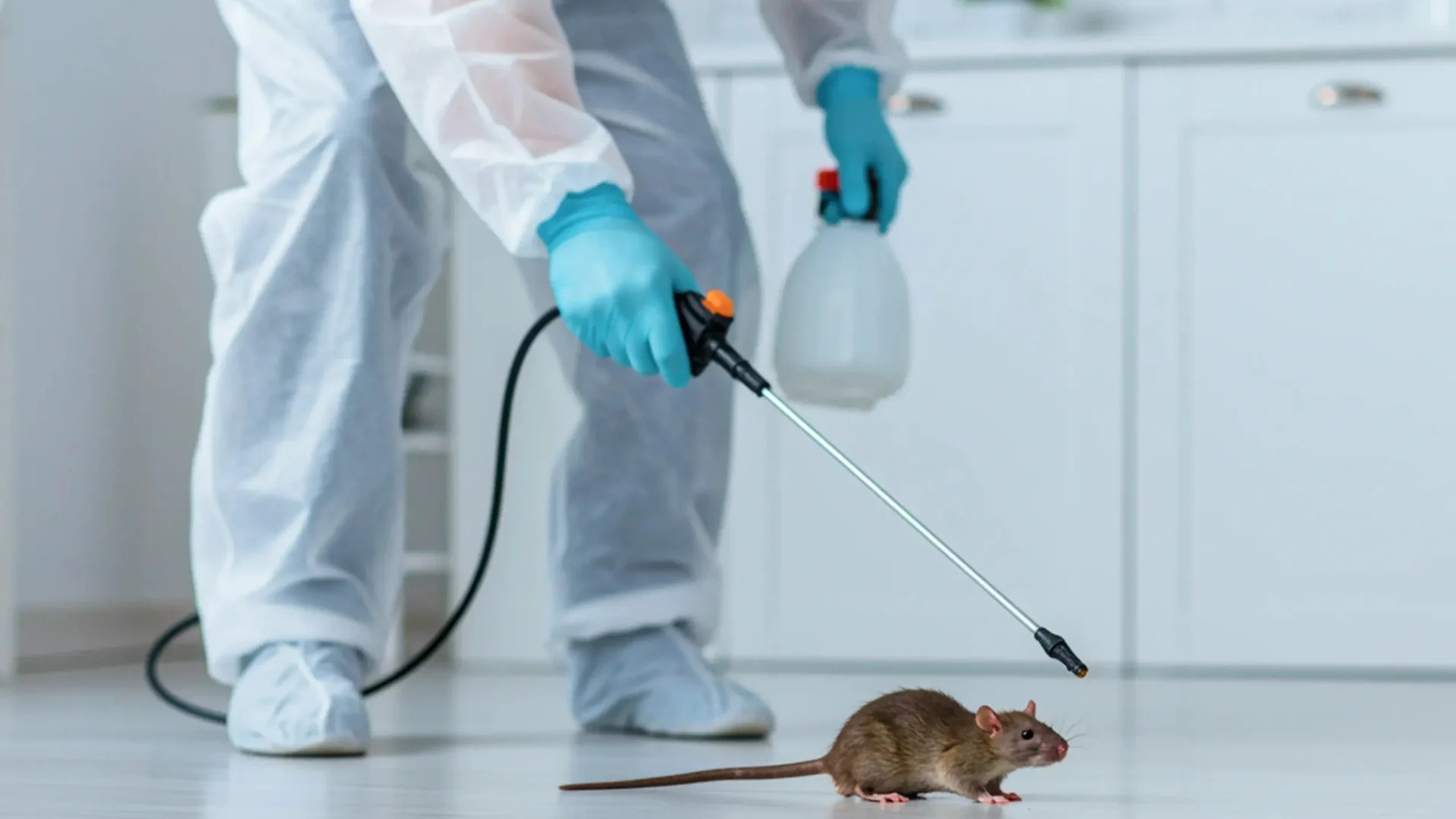
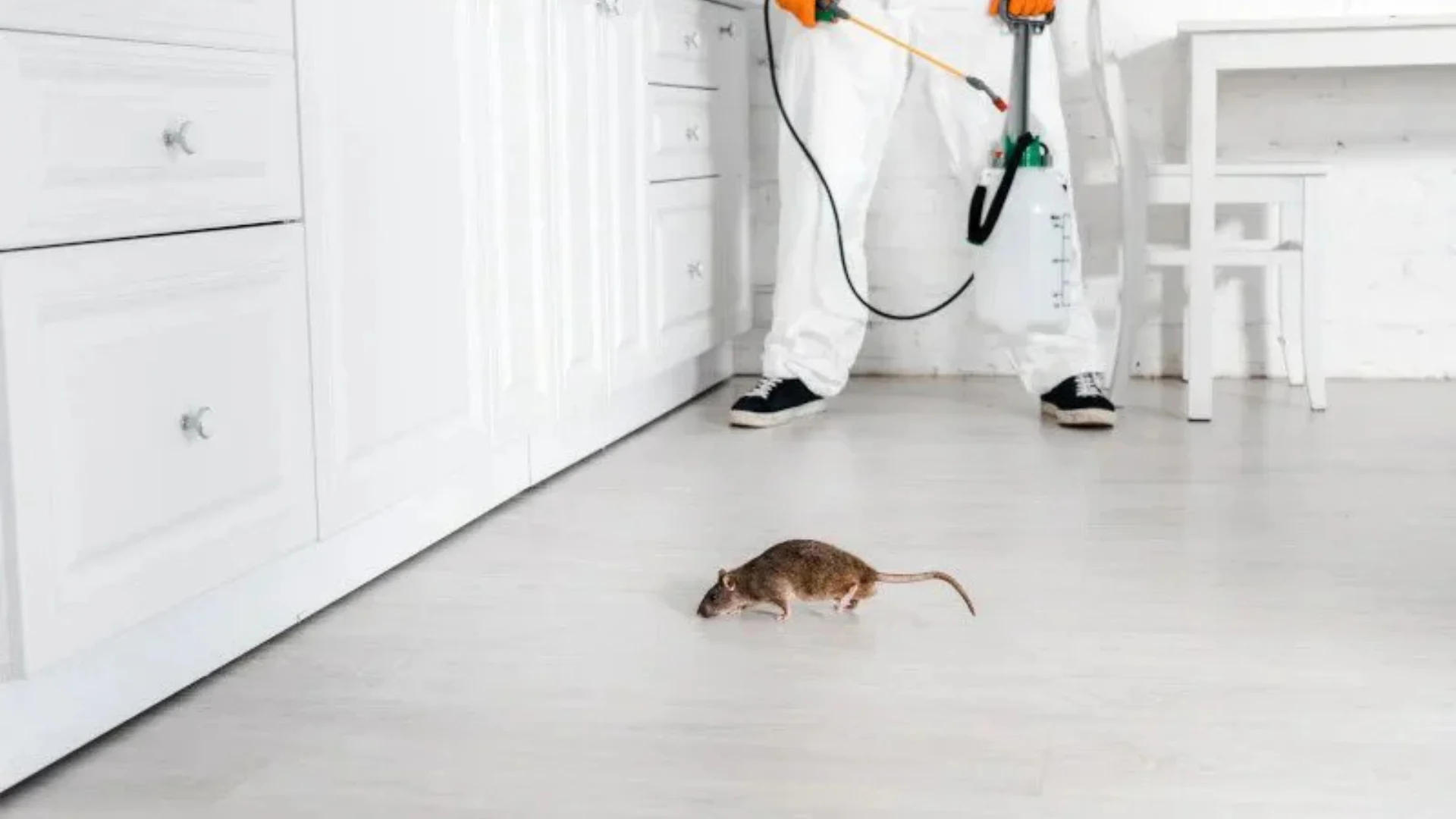
Rodent inspection provides useful information about potential activity and helps property owners understand which areas may require further attention.
Examine Vulnerable Spaces
Some parts of a building are more likely to attract or shelter rodents than others. Basements, attics, utility rooms, garages, crawl spaces, cupboards, and storage sections can provide warmth, darkness, food, or protection. Reviewing these locations helps uncover potential activity that may not be visible from commonly used rooms and gives property owners a better understanding of where concerns may exist.
Trace Possible Entry Routes
Finding evidence inside the property is only part of the assessment. Rodents may enter through openings around foundations, doors, vents, pipes, roofs, utility connections, and other structural features. Locating these possible routes can help explain how rodents gained access and identify areas where improvements may reduce the likelihood of future intrusion.
Investigate Unusual Sounds
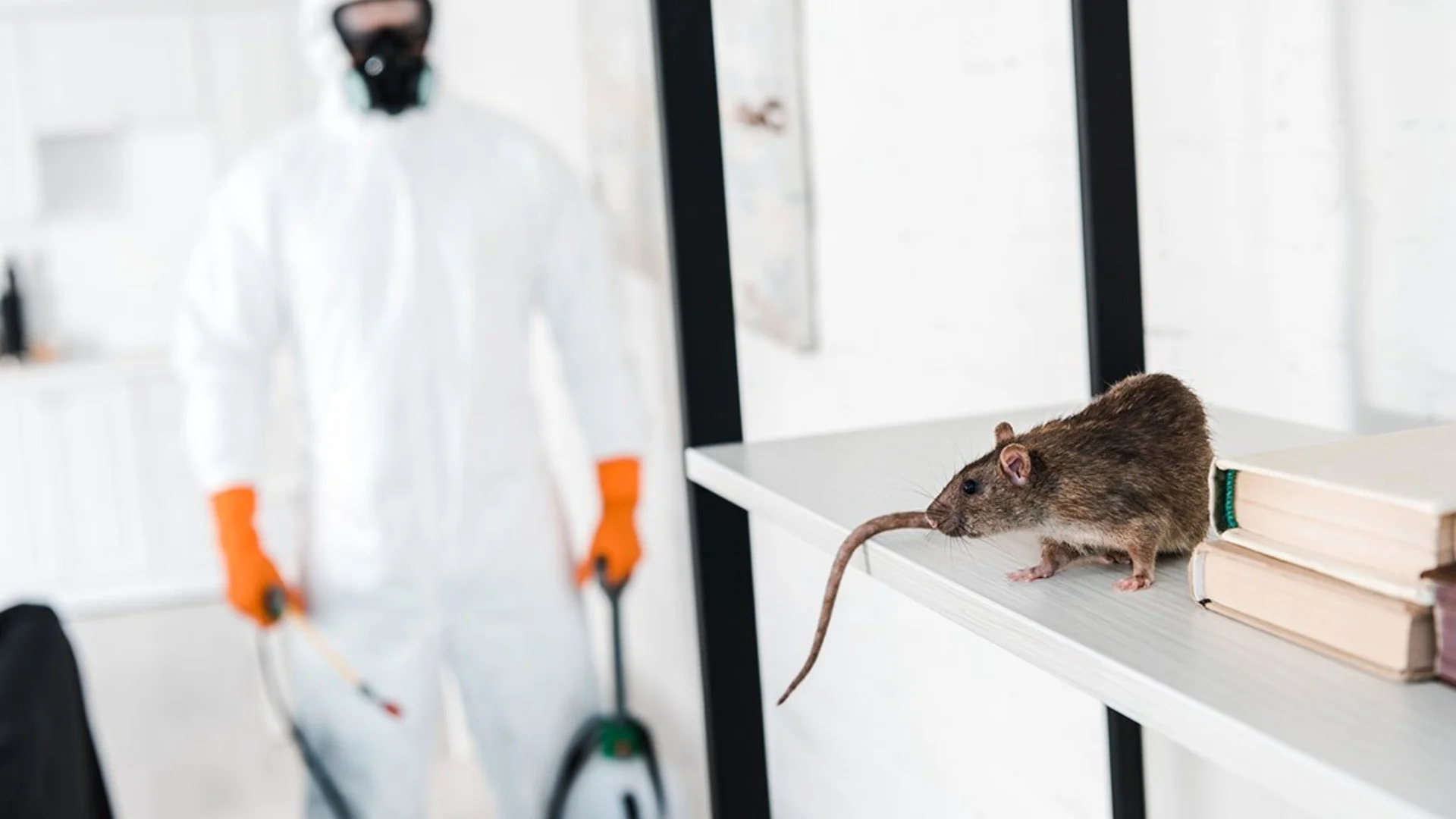
Scratching, scurrying, gnawing, or movement sounds can sometimes be the first indication that rodents are present. Because these noises may originate behind walls, beneath floors, or above ceilings, identifying the source can be challenging. An inspection provides an opportunity to investigate suspicious areas and determine whether the sounds may be connected to rodent activity.
Assess Property Conditions
Rodents are more likely to remain where they can find food, water, clutter, shelter, or undisturbed nesting locations. An inspection can highlight environmental or structural conditions that may be supporting activity. Understanding these factors gives homeowners useful information for improving the property and making it less suitable for rodents over time.
Plan The Right Response
Inspection results can help determine what should happen next instead of relying on assumptions. Whether the concern involves a few warning signs or evidence of established activity, knowing where the problem exists allows treatment or prevention measures to be better focused. A clear assessment can therefore make future pest management more efficient and easier to organize.
Search For Subtle Evidence
Rodents do not always leave obvious signs in open areas. Small droppings, gnaw marks, nesting fragments, rub marks, unusual odours, and disturbed materials can reveal movement through concealed sections. Careful inspection helps bring these details together and provides a more complete picture of whether rodents may be using the property.
FAQ
A rodent inspection involves looking for signs of activity, possible nesting areas, entry routes, and property conditions that may support rodents.
An inspection can reveal hidden activity before an infestation becomes more established or causes greater disruption around the property.
Evidence may include droppings, gnaw marks, nesting materials, rub marks, unusual odours, damaged items, and signs of movement.
Yes, rodents can move through wall cavities and other concealed structural spaces where they may remain unnoticed for long periods.
An inspection can identify potential openings and vulnerable areas that may provide rodents with access to the building.
Yes, unexplained scratching or movement sounds can justify checking concealed areas, particularly when the noises happen repeatedly.
Attics, basements, crawl spaces, garages, storage areas, utility sections, exterior walls, and other sheltered locations may require attention.
It can reveal accessible food, clutter, shelter, structural gaps, moisture concerns, and other conditions that may encourage rodent activity.