

Rodent Exclusion
- Home
- /
- Rodent Exclusion
All Services
- Get started
- 2369711478
- Info@infestix.com
- 13950 72nd Ave surrey bc
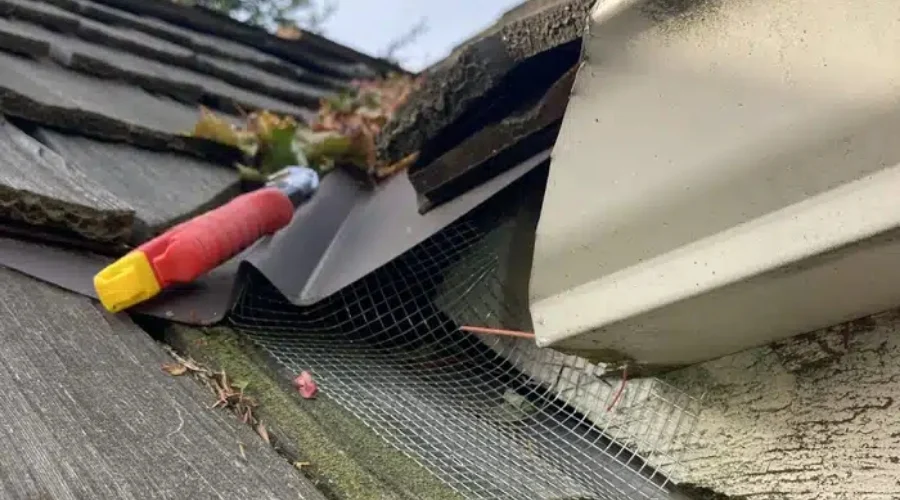
Block The Way Inside
Rodents only need a small opening to gain access to a building. Gaps around foundations, roofing, vents, pipes, doors, utility lines, and other structural features can become convenient routes into protected spaces. Our rodent exclusion service focuses on identifying these weaknesses and improving them so mice and rats have fewer opportunities to enter your property.
Treating an existing infestation without addressing access points can leave the building vulnerable to another invasion. Exclusion takes a preventive approach by concentrating on the physical conditions that make entry possible.
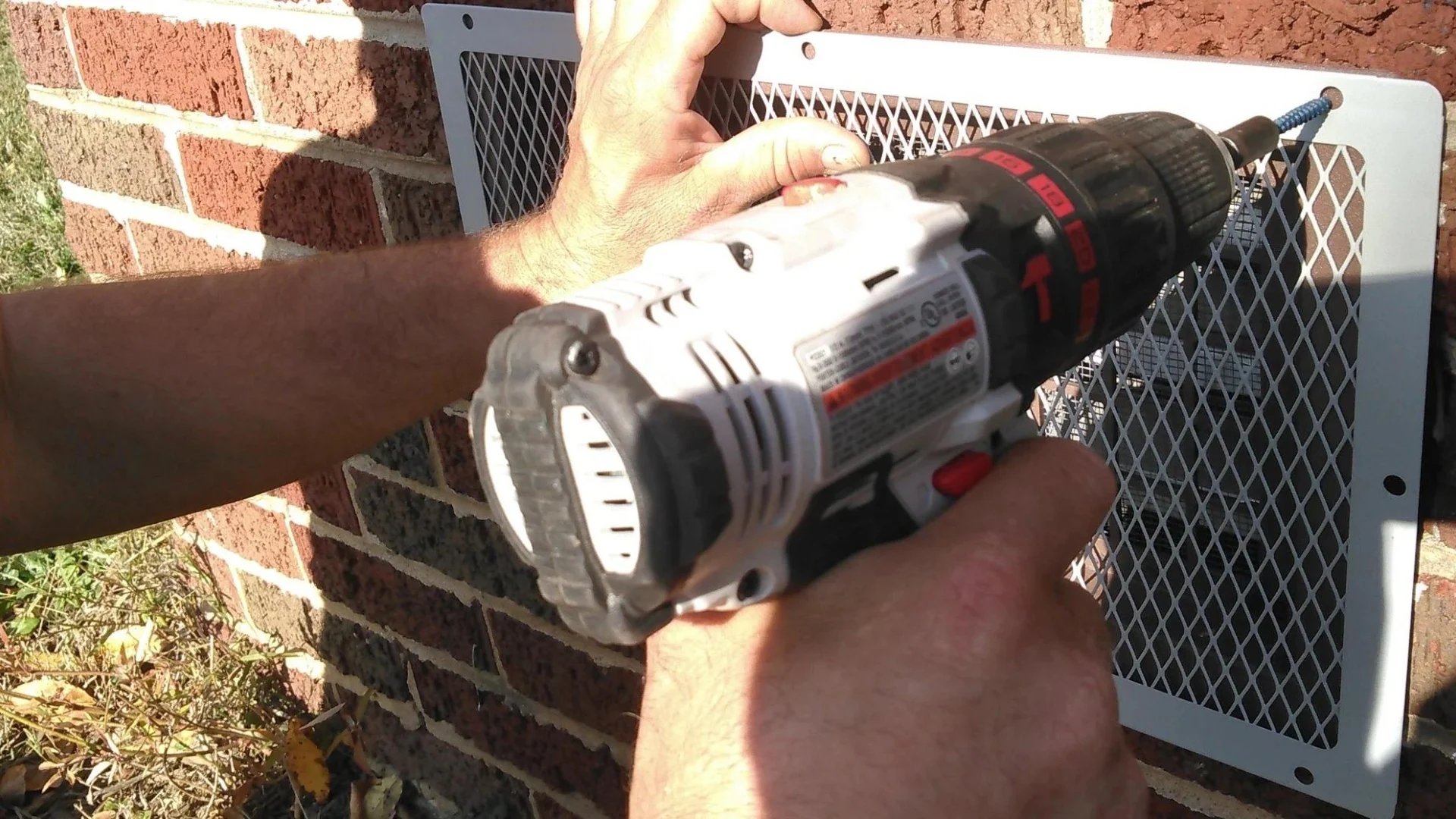
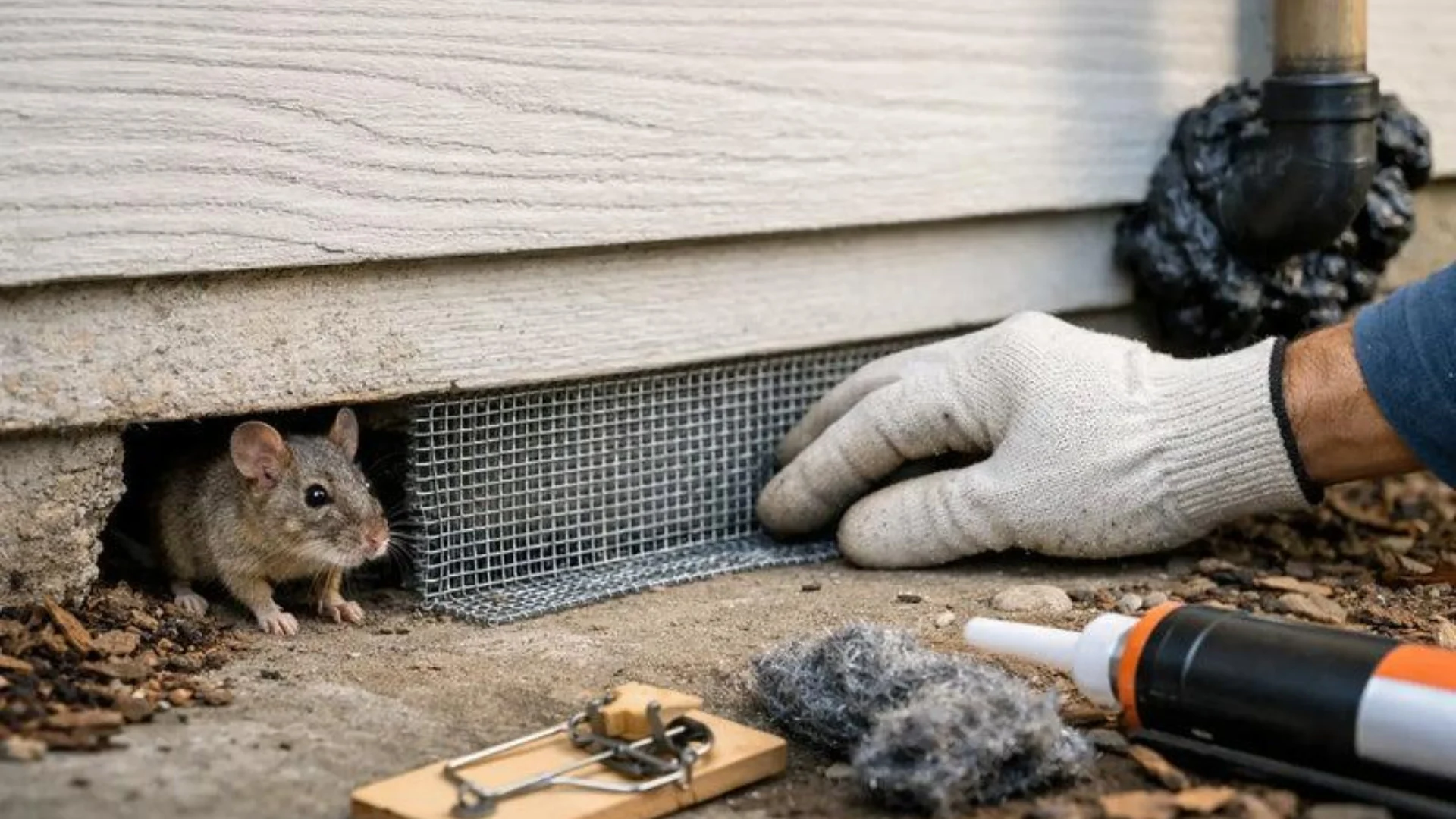
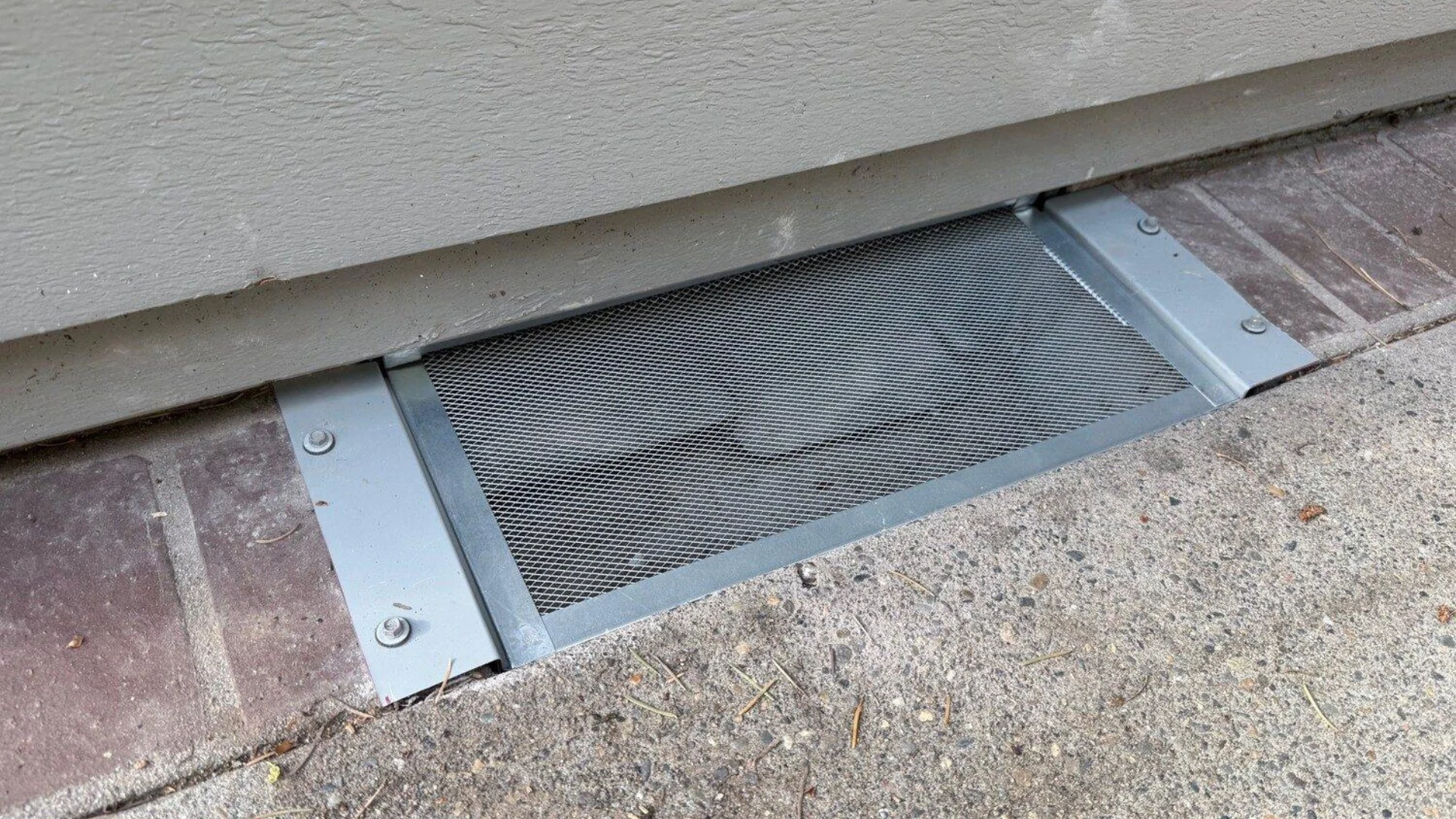
Advantages Of Exclusion Work
- Fewer Entry Opportunities
- Stronger Structural Barriers
- Better Attic Protection
- Reduced Reinfestation Risk
- Improved Building Security
- Less Rodent Access
- Cleaner Property Conditions
- Long Term Prevention
- Greater Owner Confidence
Rodent exclusion provides a practical layer of defence that helps make your property less accessible to unwanted mice and rats.
Find Vulnerable Openings
Rodents can exploit weaknesses that may be easy to overlook during routine property maintenance. Small cracks, gaps, damaged screens, loose vents, and openings around services can all deserve attention. A detailed assessment helps identify potential access points and determines which areas may need corrective work to improve the building’s overall protection.
Reinforce Exterior Defences
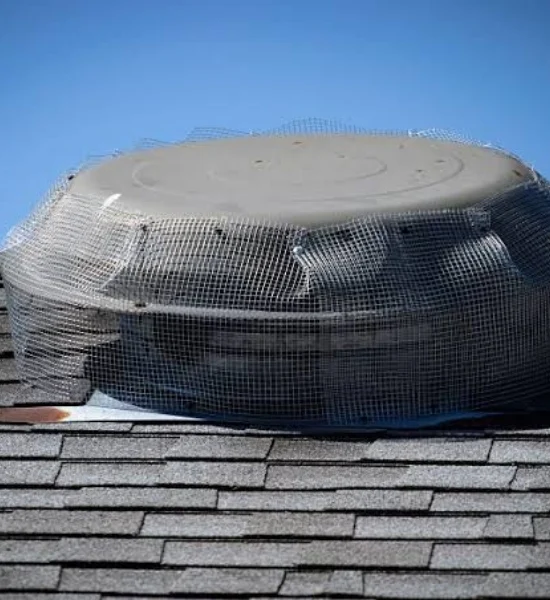
The outside of a property is the first line of protection against rodent intrusion. Weak points around foundations, doors, windows, roof edges, vents, and service connections can create opportunities for pests to enter. Strengthening these areas can make the structure more difficult for rodents to penetrate and reduce the likelihood of repeated indoor activity.
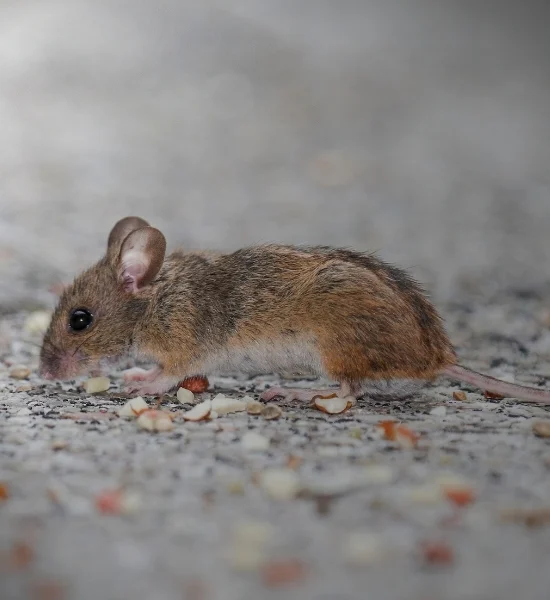
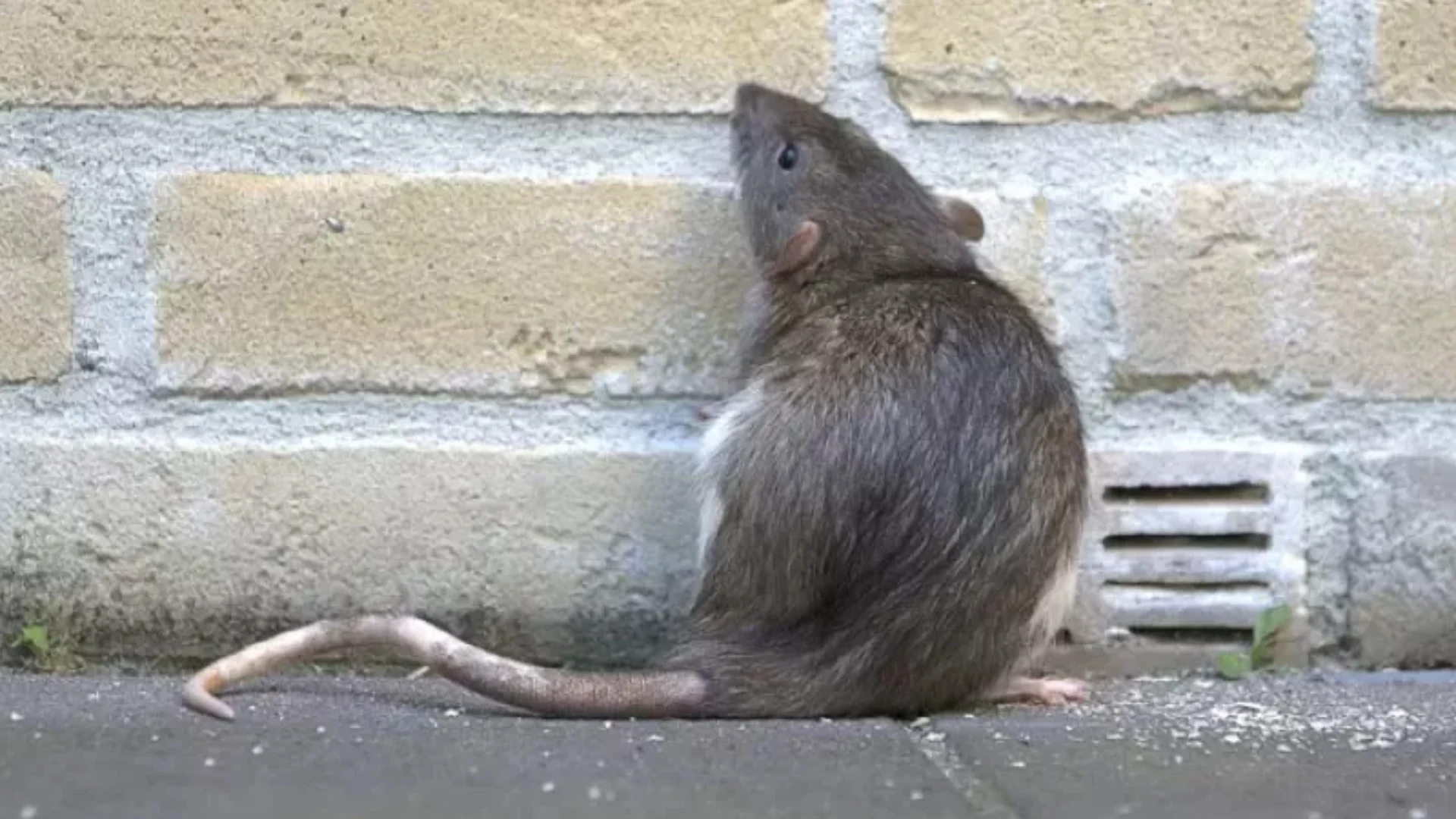
Protect Hidden Spaces
Once rodents enter a building, they may move into attics, wall cavities, crawl spaces, ceilings, garages, or storage areas. These locations can provide warmth and shelter while keeping activity away from view. Improving exterior barriers helps reduce access to these secluded sections and protects areas that may otherwise become difficult to monitor.
Reduce Repeat Infestations
Recurring rodent problems can become frustrating when treatment only addresses the animals already inside. New rodents may continue finding the same routes if structural weaknesses remain open. Exclusion targets that vulnerability directly, helping reduce the opportunity for another population to establish itself and making pest prevention a more lasting part of property care.
Protect Everyday Areas
Rodent intrusion can affect kitchens, cupboards, storage rooms, garages, and other parts of a home or building. Droppings, gnawing, nesting, and movement can create unnecessary cleaning and maintenance concerns. Limiting access helps protect these everyday spaces and reduces the chance that rodents will turn frequently used areas into problem zones.
Strengthen Long Term Protection
A property can become more resilient against rodents when exclusion is combined with sensible maintenance. Keeping waste secured, reducing clutter, trimming vegetation near vulnerable areas, and repairing structural damage can all support better prevention. Professional exclusion provides the physical improvements needed to make these efforts more effective and give property owners greater confidence.
FAQ
Rodent exclusion is the process of identifying and closing openings that mice and rats could use to enter a building.
Exclusion helps address the physical access routes that allow rodents to enter, reducing the chance of repeated intrusion after an infestation has been treated.
Rodents can squeeze through surprisingly narrow openings, particularly mice, so small gaps should not automatically be considered harmless.
Potential access points can occur around foundations, roofs, vents, doors, windows, pipes, utility connections, and damaged exterior materials.
No method can guarantee that rodents will never appear, but reducing accessible openings can significantly limit opportunities for them to enter a property.
In many situations, addressing access points alongside or after active infestation management can help reduce the likelihood of rodents returning.
Yes. Damaged roof materials, vents, eaves, soffits, and other elevated features can sometimes provide rodents with access to attics and upper spaces.
Overgrown branches, vines, and dense vegetation can provide shelter or pathways toward parts of a building, making property maintenance useful for prevention.
Yes. If rodents repeatedly enter through the same structural weaknesses, correcting those vulnerabilities can help reduce recurring problems.
Professional exclusion is worth considering when you notice repeated rodent activity, discover possible openings, or want to strengthen your property's defences after an infestation.