

Rodent Baiting
- Home
- /
- Rodent Baiting
All Services
- Get started
- 2369711478
- Info@infestix.com
- 13950 72nd Ave surrey bc
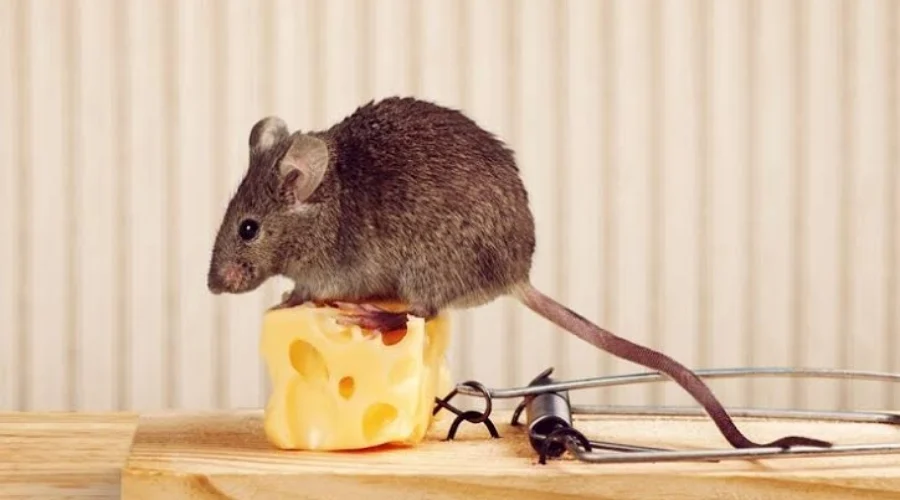
Break The Infestation Cycle
Rodents can stay concealed inside walls, ceilings, attics, crawl spaces, garages, and other quiet areas while making regular trips toward food and water. This hidden behaviour can allow an infestation to continue even when only a few signs are visible. Our rodent baiting service provides a focused solution for properties experiencing ongoing rodent activity.
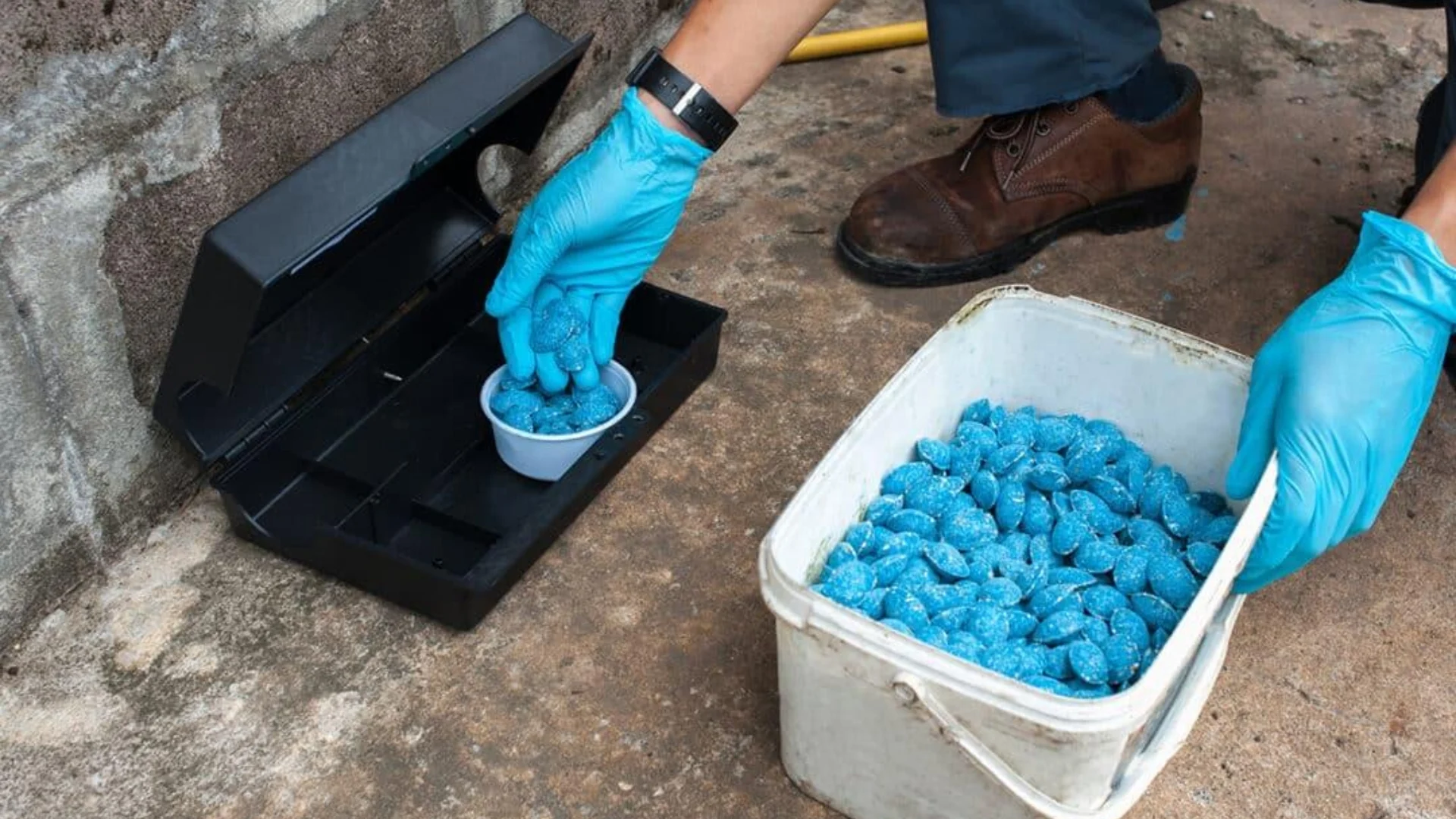
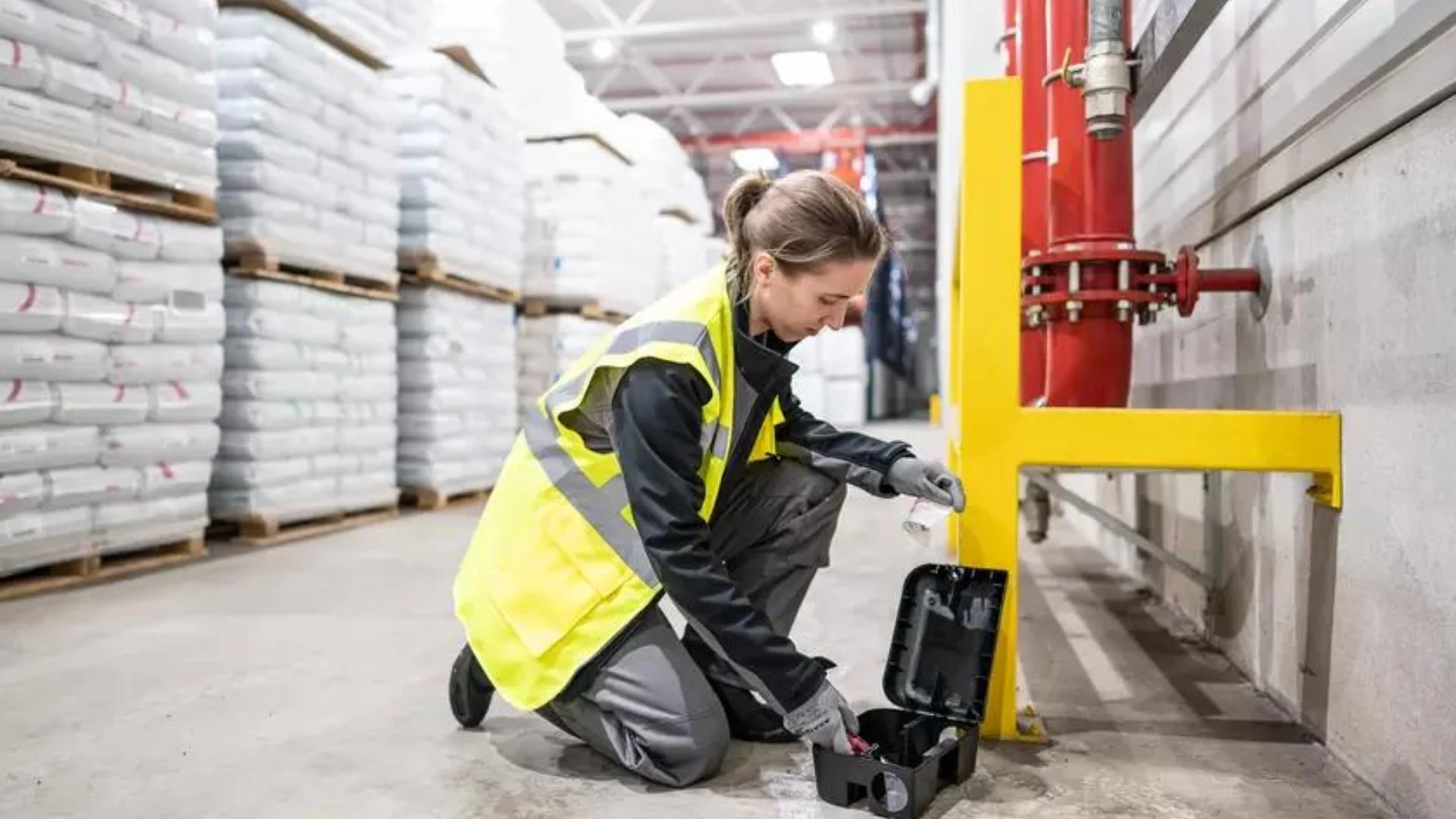
A successful baiting program requires careful planning rather than simply leaving bait wherever rodents have been noticed. Strategic placement, suitable treatment methods, monitoring, and follow-up.
What Professional Baiting Offers
- Lower Rodent Activity
- Fewer Fresh Droppings
- Reduced Feeding Signs
- Better Household Protection
- Quieter Hidden Spaces
- Less Nesting Evidence
- Cleaner Storage Areas
- Reduced Infestation Pressure
- Consistent Treatment Oversight
Rodent baiting gives property owners a practical option for addressing persistent infestations while supporting a cleaner, more comfortable, and better-protected environment.
Reach Rodents Out Of Sight
A rodent infestation can extend well beyond the places where droppings or noises are discovered. Mice and rats may spend much of their time behind walls, beneath floors, above ceilings, or within secluded storage spaces. Properly managed baiting can help address activity in difficult-to-access locations while allowing treatment progress to be monitored over time.
Restore Household Peace
Repeated scratching, gnawing, and movement can make a property feel uncomfortable, particularly when these sounds occur during quiet nighttime hours. Rodent signs around kitchens, garages, or storage rooms can create additional frustration. Reducing active populations helps take away that constant distraction and allows household routines to feel more normal again.

Shield Valuable Belongings
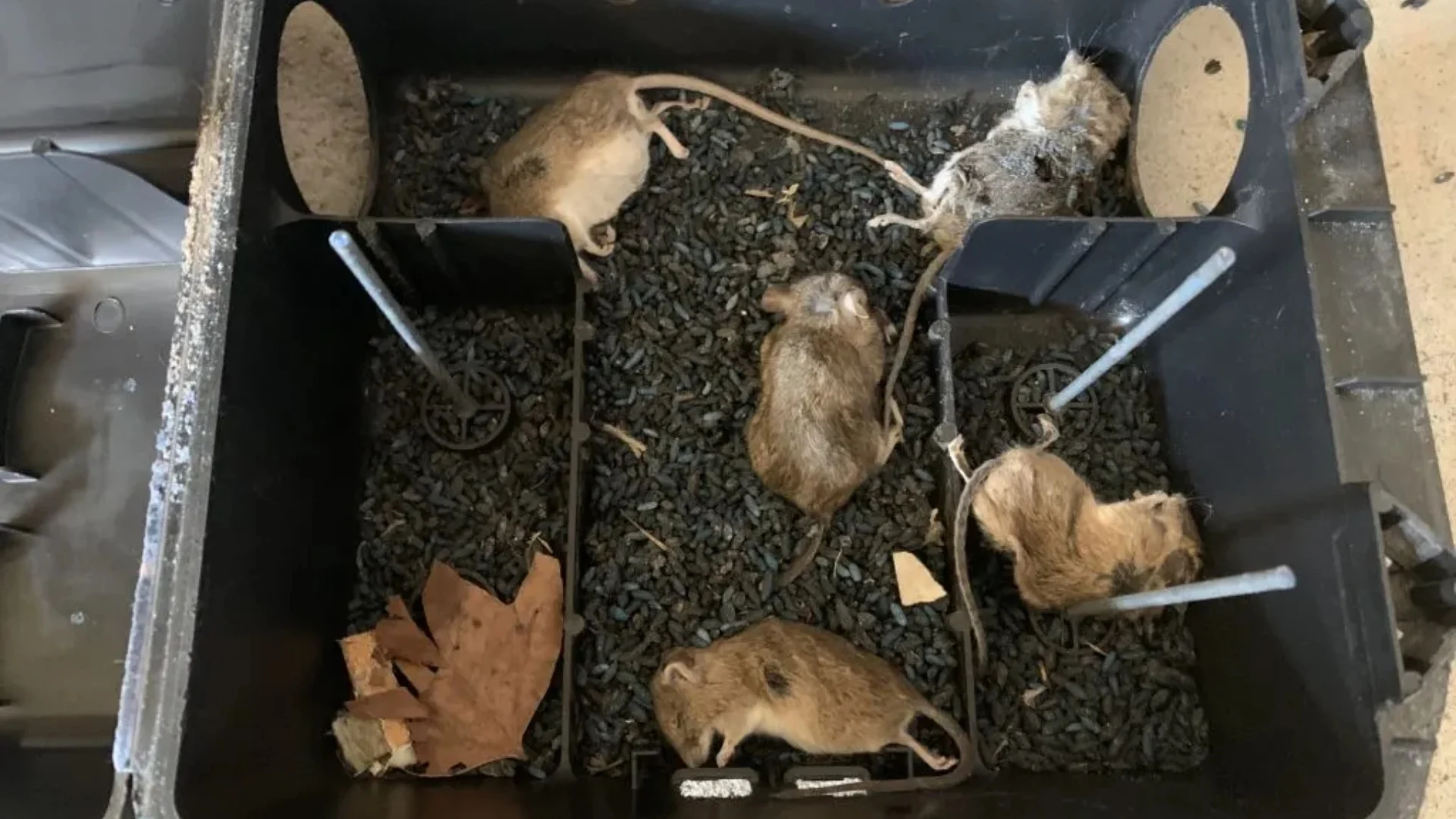
Rodents may damage boxes, packaging, insulation, fabrics, and stored possessions while searching for food or nesting materials. Continued activity can leave storage areas messy and difficult to manage. Bringing the infestation under control helps reduce opportunities for rodents to disturb these belongings and supports better protection for items kept around the property.
Remove Reasons To Stay
Baiting works best as part of a broader rodent management plan. Open rubbish, exposed food, pet feeding areas, standing water, clutter, and sheltered corners can encourage rodents to remain nearby. Addressing these conditions can make the property less attractive and complement the treatment by reducing the resources rodents depend on.
Track The Results
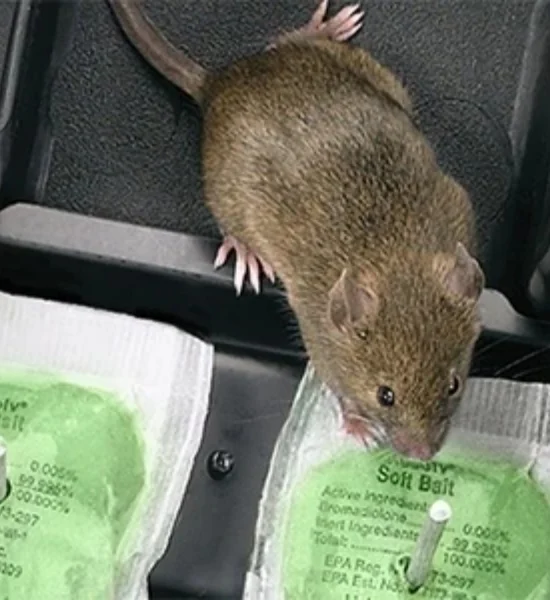
Knowing whether rodent activity is declining is an important part of effective pest management. Fresh droppings, feeding evidence, movement, and other signs can show how the infestation is responding. Ongoing checks provide useful information and allow further action to be considered when needed, giving property owners greater confidence that the problem is being properly managed.
Focus On Feeding Patterns
Rodents often revisit areas where food is consistently available. Recognizing these patterns helps determine where treatment should receive attention instead of relying on guesswork. Our approach considers visible evidence and property conditions to create a more deliberate baiting strategy aimed at reducing active rodent populations.
FAQ
Rodent baiting involves placing suitable rodent control products in carefully selected areas where active rodents are likely to encounter them.
Professional baiting involves property assessment, strategic placement, treatment monitoring, and follow-up rather than simply leaving bait in random locations.
It can be part of a broader management plan for established infestations, with the specific approach depending on the rodent species and property conditions.
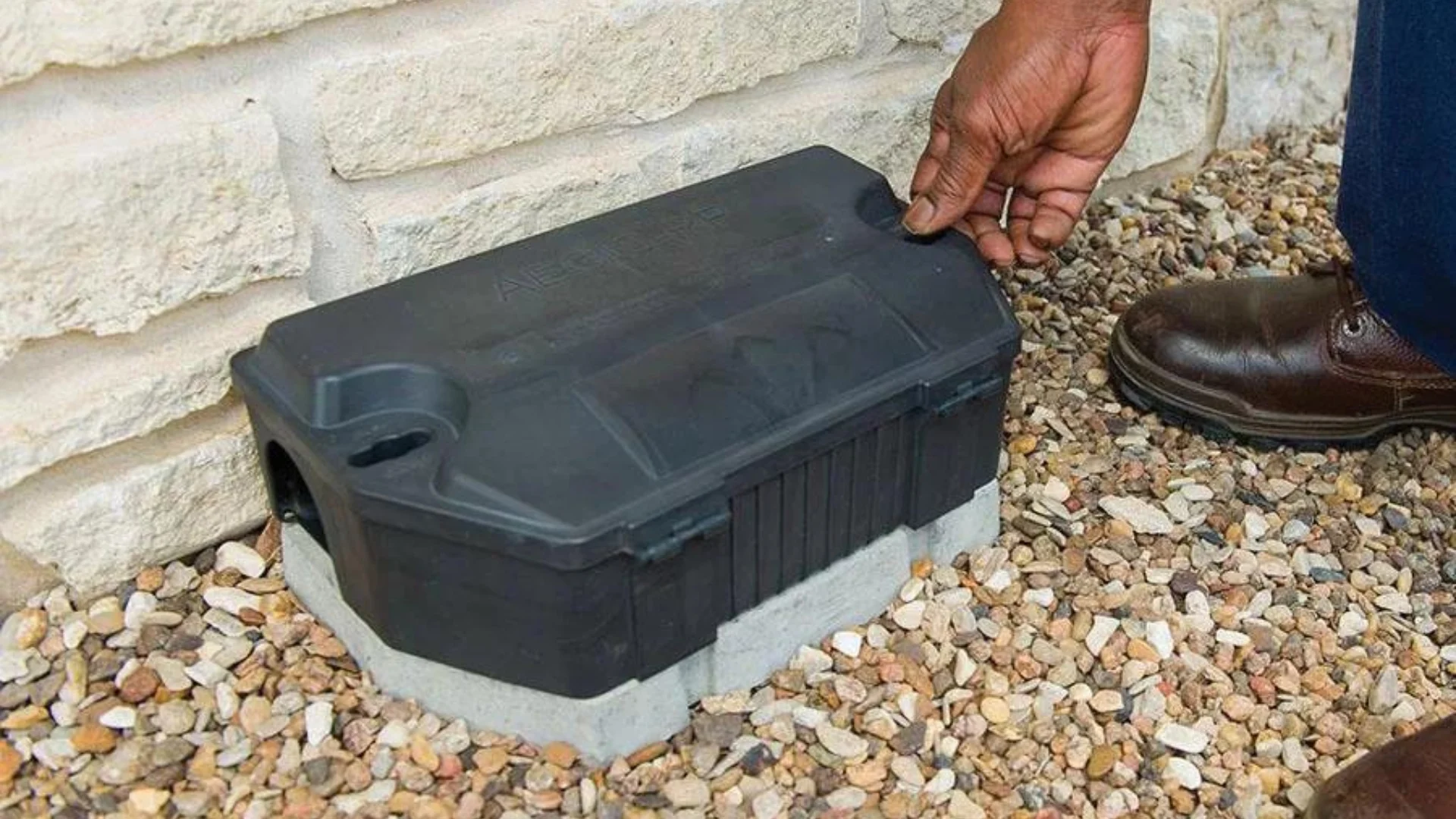
Placement varies according to rodent activity, travel routes, feeding areas, building layout, and safety considerations.
Not necessarily. Active rodents may continue moving for some time after treatment begins, which is why follow-up and monitoring are important.
No. Baiting addresses active rodents, while sealing vulnerable openings and improving property conditions can help reduce future access.
Yes. A complete rodent management program may include baiting, exclusion measures, sanitation improvements, monitoring, or other suitable methods.
Keeping food, rubbish, and other potential attractants secured can support treatment and make the property less appealing to rodents.
Baiting programs can be adapted for different property types, although treatment requirements depend on the building, activity, and surrounding conditions.
Consider professional treatment when recurring droppings, gnaw marks, feeding signs, noises, nesting evidence, or repeated sightings indicate continuing rodent activity.