

Entry Point Sealing
- Home
- /
- Entry Point Sealing
All Services
- Get started
- 2369711478
- Info@infestix.com
- 13950 72nd Ave surrey bc
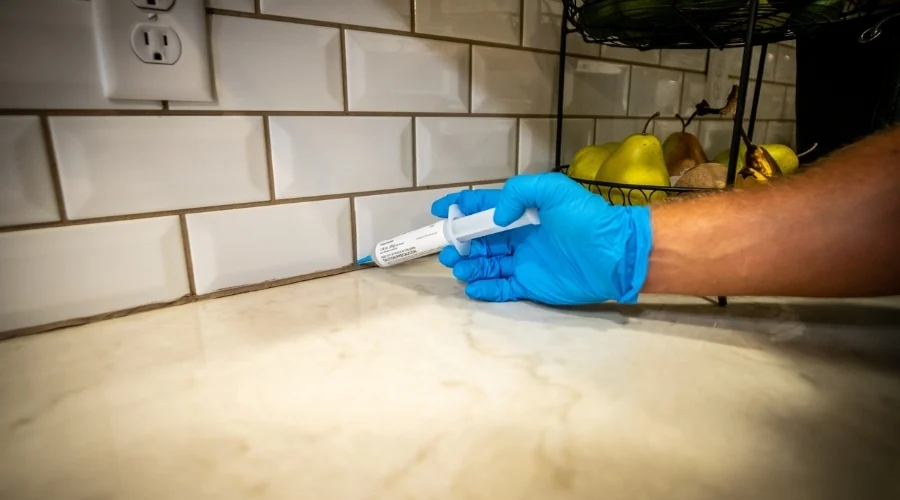
Close The Gaps That Matter
Rodents can take advantage of openings around foundations, roofs, vents, pipes, doors, windows, and utility connections to reach protected areas. Some gaps may be barely noticeable while still providing enough room for mice or rats to squeeze through. Our entry point sealing service focuses on locating these vulnerable areas and securing them with suitable solutions.
Simply removing rodents from inside a building may not solve the underlying access problem. If openings remain available, new pests can eventually find the same routes.
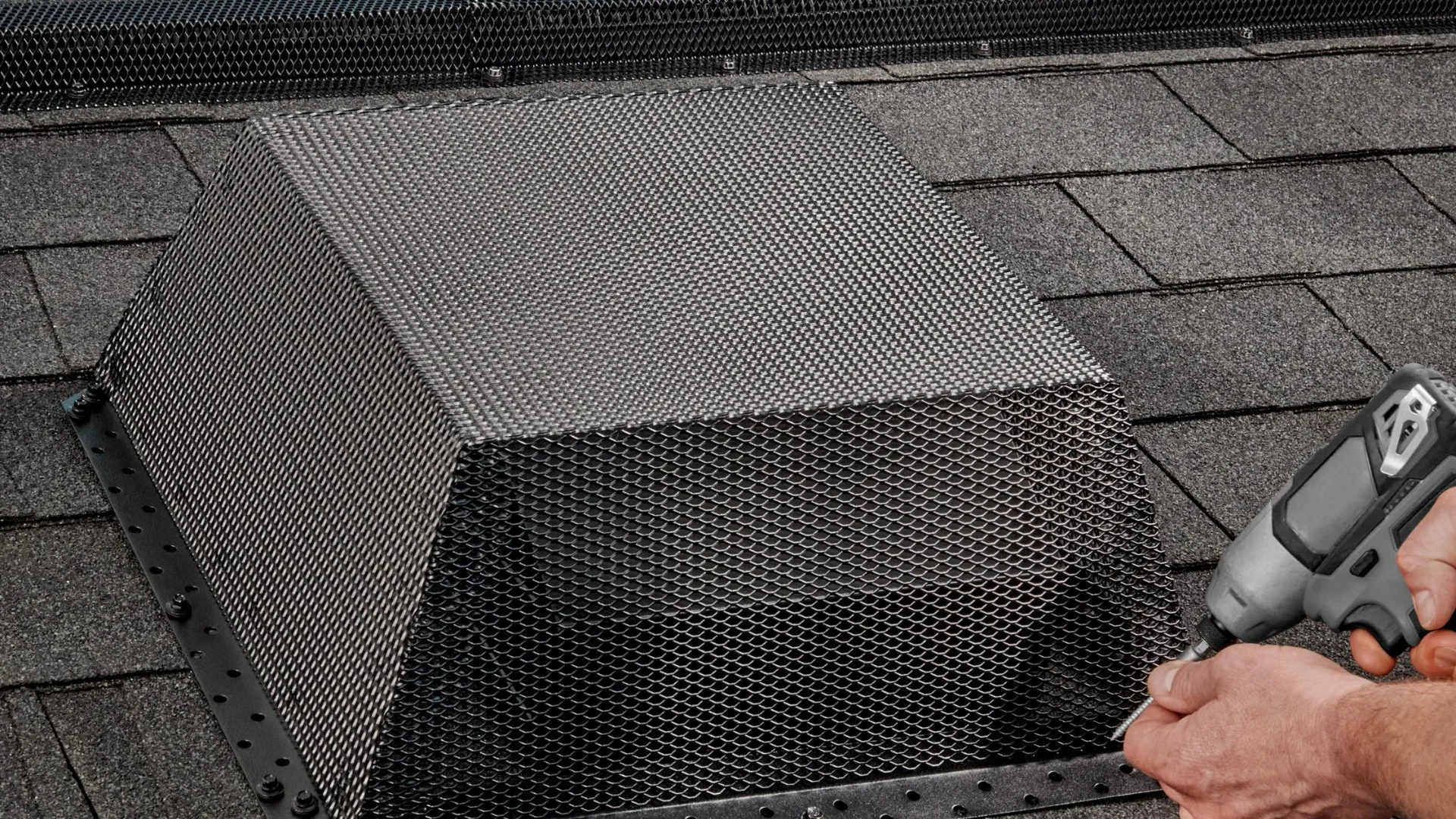
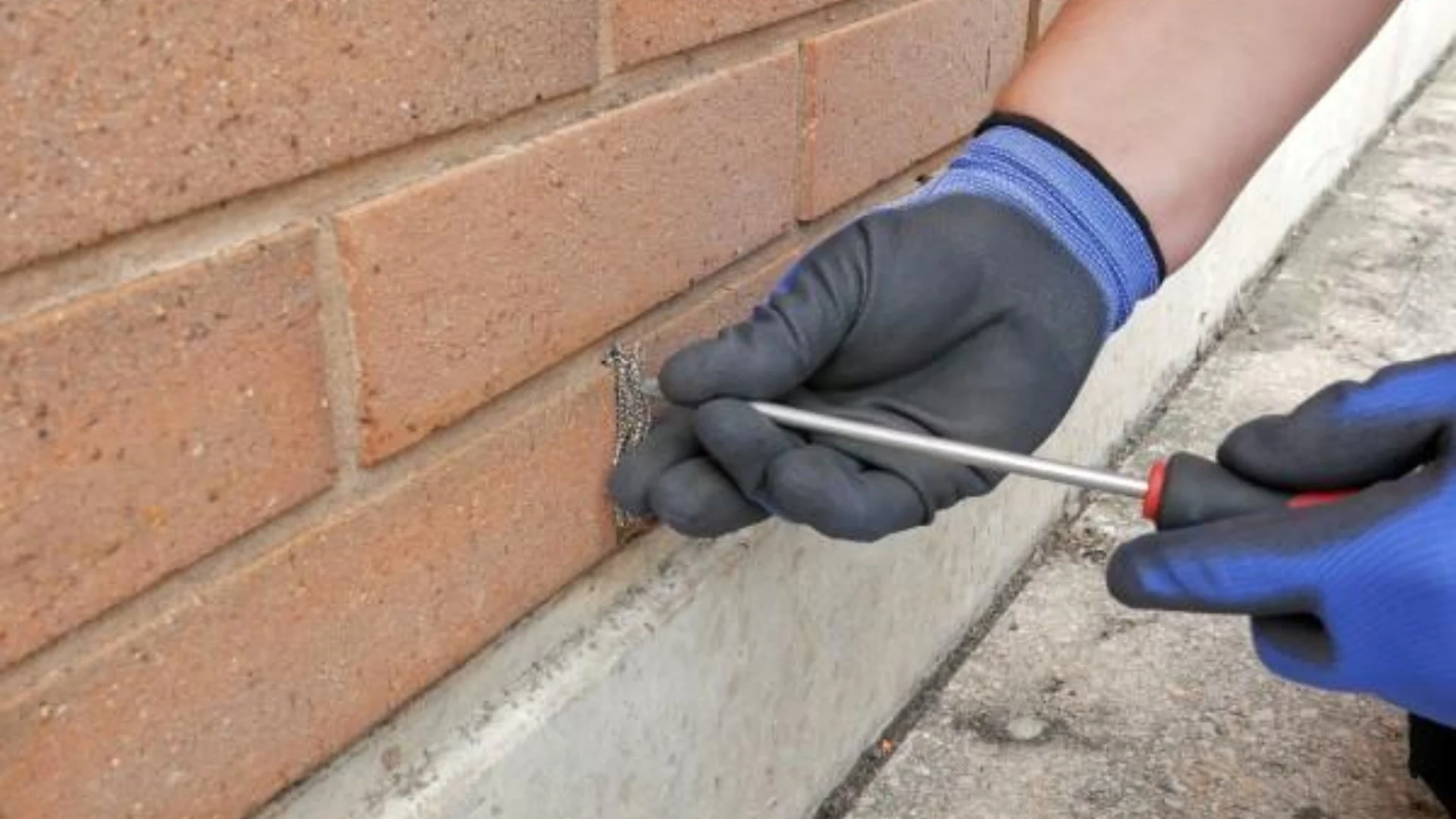
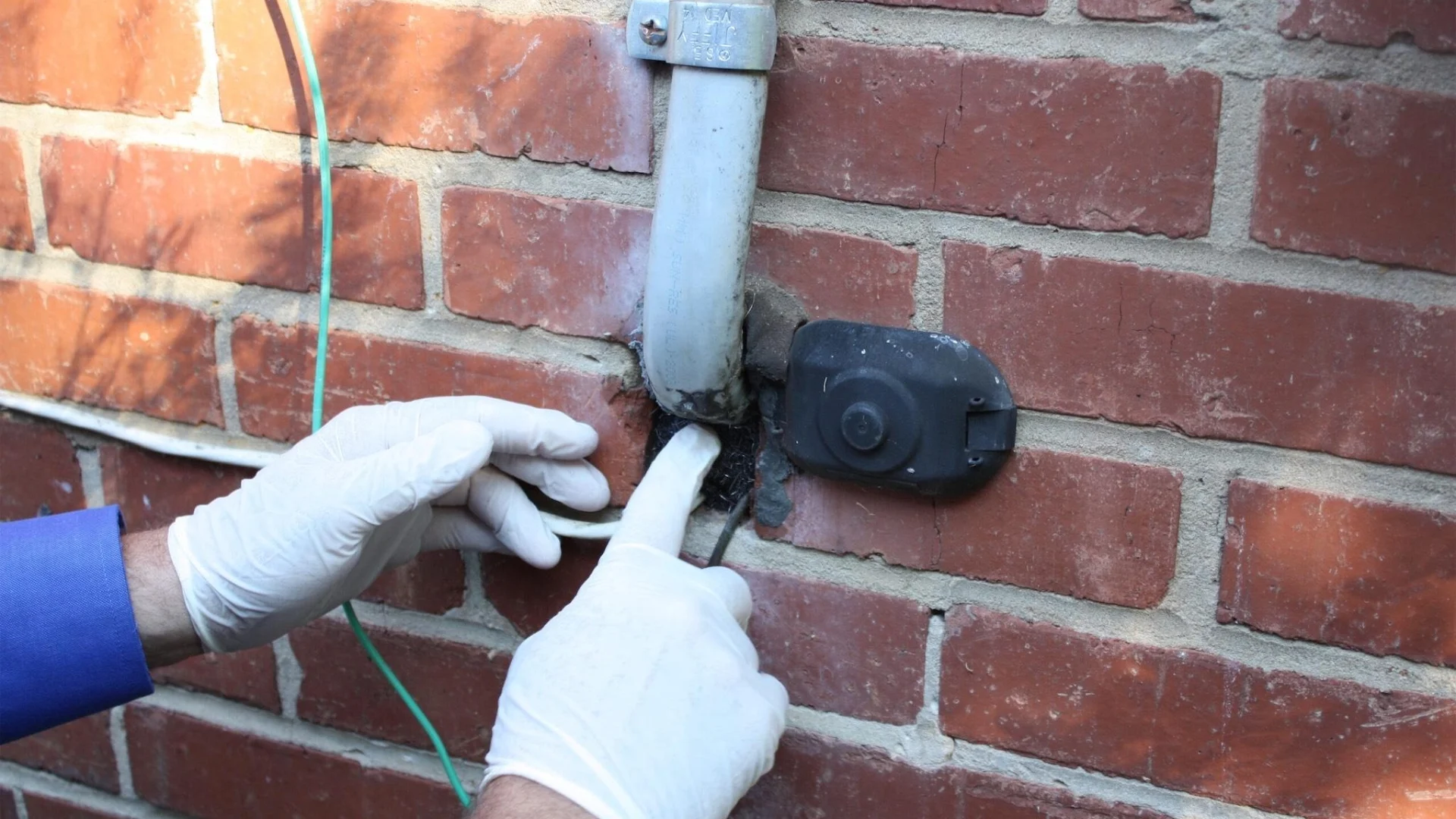
Why Sealing Makes A Difference
- Fewer Access Routes
- Stronger Exterior Protection
- Better Interior Security
- Reduced Pest Intrusion
- Protected Hidden Spaces
- Less Recurring Activity
- Improved Building Maintenance
- Safer Storage Areas
Entry point sealing creates a practical barrier against rodent intrusion and helps make your property more difficult for unwanted pests to access.
Locate Hidden Openings
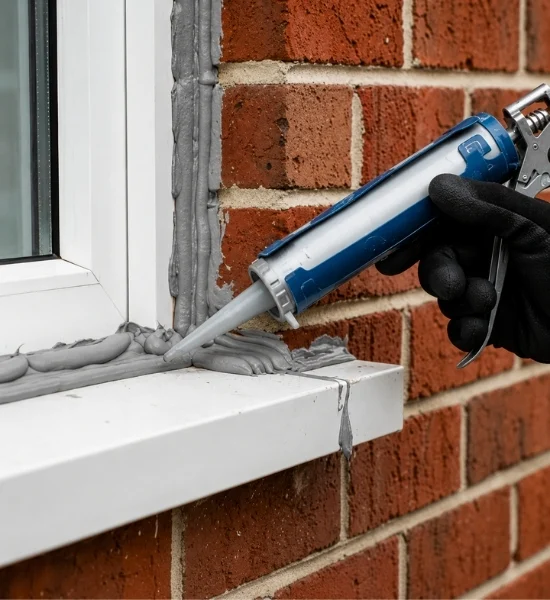
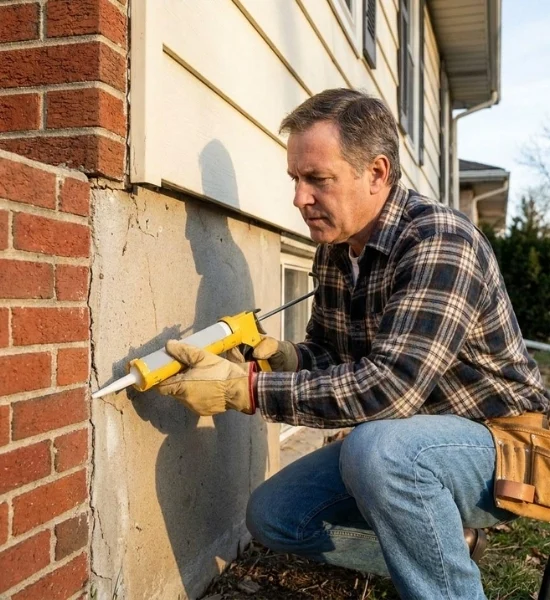
Not every entry route is obvious from a quick visual check. Rodents may use gaps around service lines, damaged screens, foundation cracks, roof features, vents, or areas where different building materials meet. Finding these weaknesses is an important first step toward improving protection and preventing pests from exploiting unnoticed access points.
Secure Exterior Weaknesses
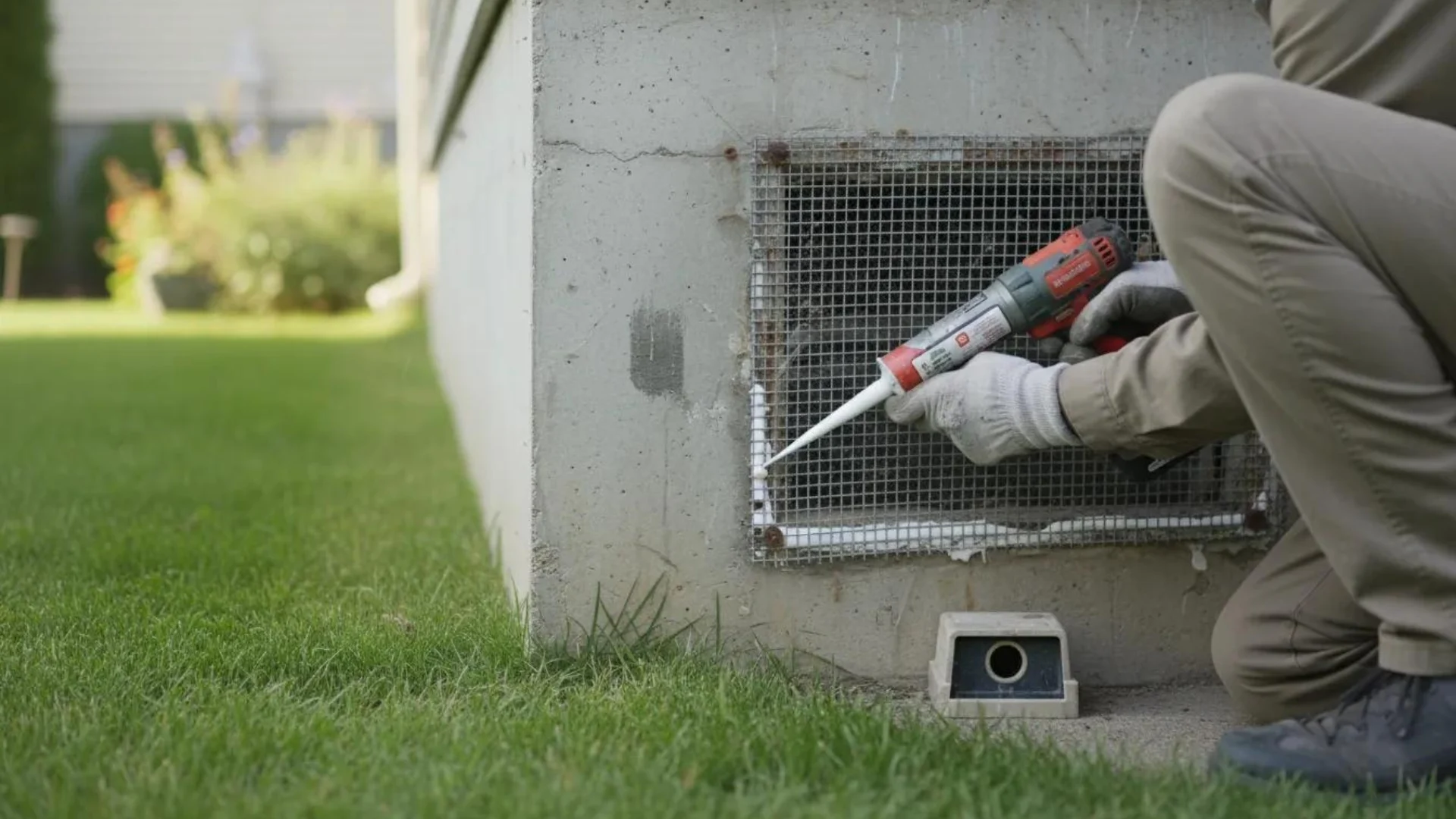
The outside of a building can contain several areas where small rodents may find a route indoors. Damaged vents, loose materials, gaps beneath doors, and openings near pipes can all create potential access. Proper sealing helps reinforce these vulnerable sections and gives your property a stronger physical barrier against unwanted entry.
Protect Interior Spaces
Once rodents gain access, they can move into attics, wall cavities, cupboards, garages, ceilings, and storage areas. These spaces can provide shelter while allowing pests to remain hidden for long periods. Closing exterior openings helps limit their ability to reach these protected sections and reduces the likelihood of recurring indoor activity.
Reduce Recurring Problems
Repeated rodent sightings can become frustrating when the same access route remains available. Treating visible activity without securing the building may leave it exposed to another infestation. Entry point sealing addresses the pathway itself, helping reduce opportunities for rodents to return and making pest prevention a more practical part of property upkeep.
Protect Stored Belongings
Rodents can disturb boxes, insulation, fabrics, packaging, and other stored materials after entering a building. Their nesting and gnawing can create unnecessary damage and leave storage areas difficult to maintain. Reducing access helps protect these belongings by limiting the chances that rodents will reach sheltered storage spaces in the first place.
Improve Property Resilience
A well-sealed property can be better prepared for future pest pressure. Regularly checking exterior surfaces, repairing damage, securing vents, maintaining doors, and addressing gaps around utilities can support long-term protection. Professional sealing provides targeted improvements where vulnerabilities are found, helping property owners maintain stronger defences over time.
FAQ
Entry point sealing involves identifying openings that pests could use to enter a building and securing those areas with appropriate materials or methods.
Rodents can fit through surprisingly narrow openings, allowing them to access warmth, food, water, and sheltered areas inside buildings.
Common areas include foundations, roofs, vents, doors, windows, utility connections, pipes, soffits, and locations where building materials meet.
Sealing accessible openings can significantly reduce entry opportunities, although ongoing property maintenance is still important for continued protection.
Active rodent problems may need to be addressed alongside sealing work. The appropriate sequence depends on the property's condition and the extent of the infestation.
Yes. Gaps surrounding plumbing, electrical lines, cables, and other utility connections can sometimes provide rodents with access.
They can. Broken screens, loose covers, or poorly protected ventilation openings may become potential access routes.
Yes. Gaps beneath or around poorly fitted doors can create opportunities for rodents to enter, especially at ground level.
Addressing the same openings rodents use to enter can reduce the likelihood of recurring intrusion and complement other pest management measures.
Consider sealing when you discover structural gaps, notice rodent activity, find evidence of previous entry, or want to improve your property's preventive protection.