

Pantry and Stored Product Pests
- Home
- /
- Pantry and Stored Product Pests
All Services
- Get started
- 236-971-1478
- Info@infestix.com
- 13950 72nd Ave surrey bc
When Pantry Pests Appear
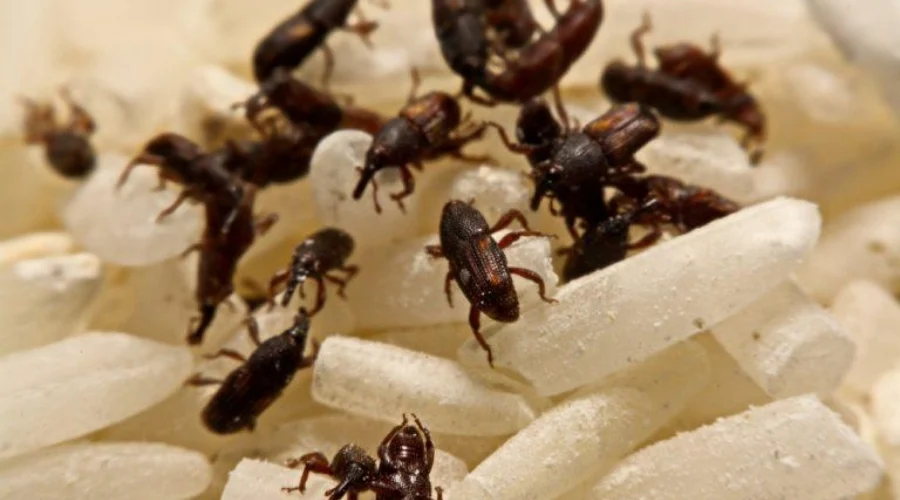
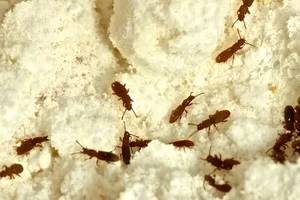
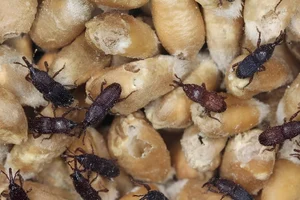
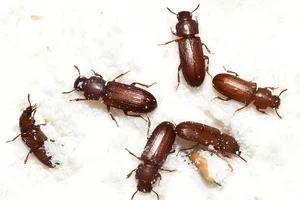
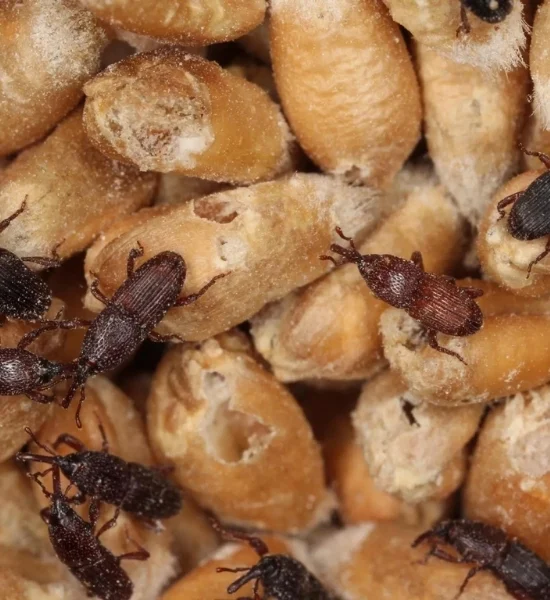
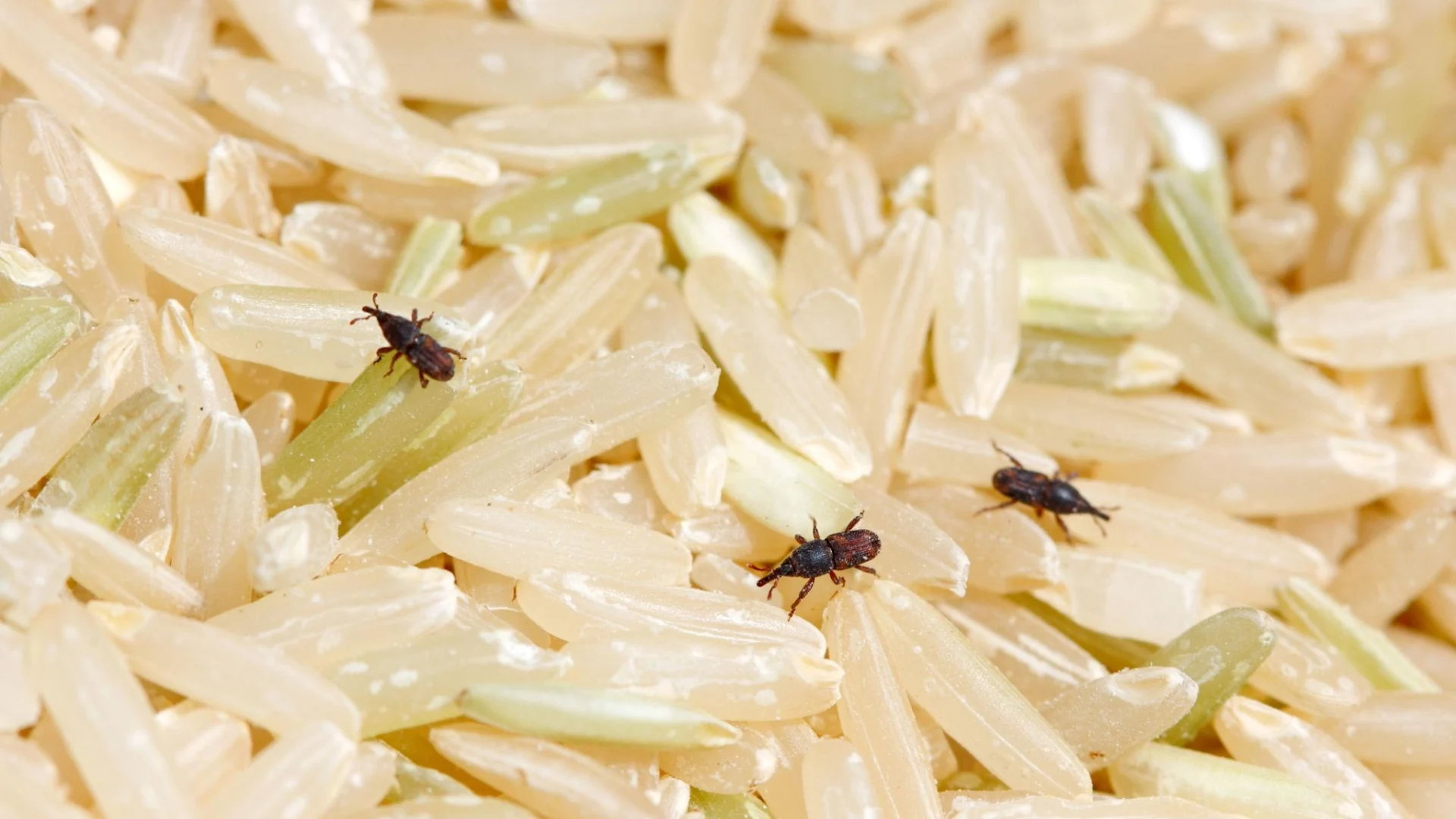
Stored product pests can turn up in cupboards, pantries, kitchens, storage rooms, and other places where dry foods are kept. Small beetles, moths, larvae, damaged packaging, or insects inside food containers can all point to an infestation. Because some pests can remain hidden inside packaging, finding the source may require more than checking what is immediately visible.
Infestix Pest Control examines food storage areas to identify signs of activity and possible sources. We check cupboards, shelves, containers, packaging, cracks, and other areas where pantry pests may remain unnoticed. Our findings help determine where treatment may be appropriate and what practical changes can help reduce the chance of pests spreading to other stored products.
Services Include
- Pantry pest inspection
- Stored food inspection
- Packaging check
- Cupboard inspection
- Shelf inspection
- Kitchen area check
- Storage room inspection
- Pest source assessment
- Infested area check
Our service focuses on finding where stored product pests are active and how they may be moving through the property. We assess affected areas, discuss what we find, and keep the recommended next steps clear. We can also provide guidance on food storage, cleaning, packaging, and other practical measures that may help reduce future activity.
Find Where the Problem Started
Pantry pests can enter a property through infested food products or packaging and may then spread to nearby stored items. Rice, flour, cereal, pasta, grains, spices, dried foods, and other products can all require checking when an infestation is suspected. We look through the surrounding storage area to help identify where activity may have begun.
Check More Than the Open Packages
Seeing insects in one food container does not necessarily mean the problem is limited to that product. Pests can move into nearby packages and remain hidden in cupboard corners, shelf gaps, or other overlooked spaces. A broader inspection helps uncover additional signs and gives you a clearer picture of the areas that need attention.
Keep Food Storage Areas Cleaner
Crumbs, spilled dry goods, old packaging, and food residue can make pantry areas easier for pests to occupy. Regular cleaning and removing forgotten or damaged food products can help keep storage spaces less suitable for continued activity. We can also point out areas where improved food storage may help reduce future pest concerns.
Protect Your Stored Supplies
Properly sealed containers can make it harder for pantry pests to move between food products and can make signs of activity easier to notice. Keeping dry goods in secure containers and checking older products before storing them can provide an additional layer of protection for your pantry and storage areas.
Stop a Small Problem Spreading
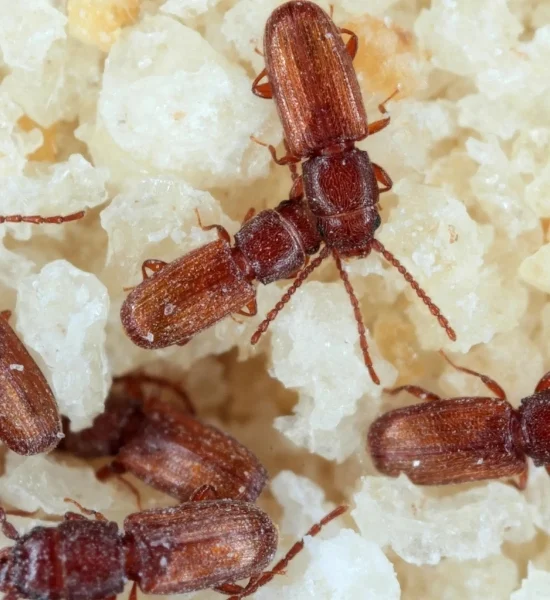
A few insects in a cupboard can become more difficult to manage when the source is left undiscovered. Pantry pests may move between products and remain unnoticed until damage or repeated sightings become obvious. We inspect the surrounding areas to help locate activity and focus treatment where it is actually needed.
Keep Your Pantry Under Control
Finding insects among stored food can be unpleasant and frustrating, especially when you are unsure which products have been affected. Infestix Pest Control provides a practical way to investigate the issue, identify active areas, and address the problem with focused pest treatment and useful prevention guidance.
FAQ
Stored product pests are insects that can infest dry foods and other stored products, including grains, cereals, flour, pasta, and spices.
They can enter through infested food products, packaging, or materials brought into the property.
Insects, larvae, damaged packaging, webbing, unusual food clumping, and insects appearing around cupboards can be signs.
Yes. Some stored product pests can move from an infested product into nearby food items and storage areas.
Infested food should generally be removed and discarded rather than kept with unaffected stored products.
Check cupboards, shelves, food containers, packaging, storage rooms, and other areas where dry goods are kept.